The Ultimate Boat Owners Tool Kit - Essential Tools for Every Boater
Alexandra
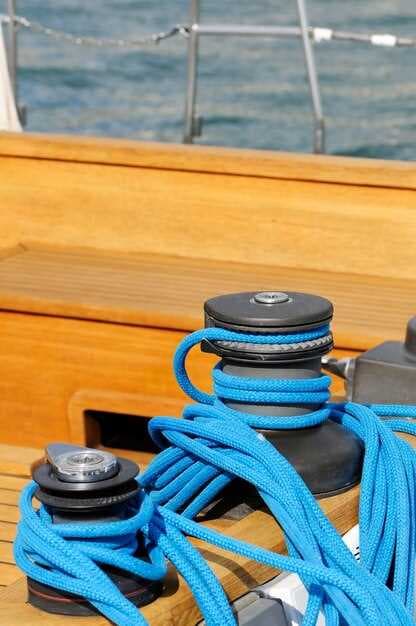
The performance of any vessel, whether a small yacht or a powerful engine-driven boat, relies heavily on the tools and equipment available to its owner. This article aims to guide boaters in assembling the ultimate tool kit, ensuring that they are prepared for every task that may arise while out on the water. With the latest advancements in marine technology and tool manufacturing, it is essential to keep your toolkit updated and efficient.
When it comes to managing multiple systems and components on board, having the right tools can make a significant difference. A well-stocked tool compartment should contain spanners, ratchets, and locking pliers, which are critical for managing both minor repairs and major emergencies. Additionally, needle-nose cutters and wire strippers are ideal for ensuring that electrical systems remain operational, cutting through resistance and keeping batteries charged and reliable.
For those moments when things go awry, a trusted selection of tools not only enables quick fixes but also promotes self-sufficiency. Finding the right balance of size and functionality is key; tools that are compact yet effective are a must-have. It is always wise to recommend including a premium wrench set and a diverse range of pliers, as they can handle various tasks and are invaluable in emergency situations. These essentials can turn a stressful situation into a manageable one, keeping you and your vessel safe on the saltwater.
📚 You may also like
Safety Tools for the Open Water
When preparing for time on the open water, having the right safety tools is essential for any boater. A well-equipped toolkit includes items that can simplify tasks and ensure the safety of all individuals on board. These tools should be compact and efficient, designed to withstand harsh marine environments while being easy to access. Investing in quality equipment will save you money in the long run by preventing damage and ensuring that you don’t end up overbuying unnecessary products.
One of the must-have safety tools is a versatile multi-tool. These handy devices often come with several functions, such as pliers, screwdrivers, and blades, all in one compact unit. Users will appreciate having these tools on hand, as they can handle a variety of tasks during their time at the marina or out sailing. A trusted multi-tool ensures that you can reconnect parts, grip components securely, and tackle any sudden repairs without a fuss.
Another critical safety tool is a set of ratchets and connectors. They make it easier to attach and secure equipment on your yacht or trailer, ensuring that everything stays in place. These tools not only prevent items from breaking or seizing during operation but also provide peace of mind while navigating open waters. Including a reliable shackle in your toolkit can further increase the security of lines and anchors, giving you the confidence to focus on enjoying your journey.
To expand on safety measures, first aid kits are an accompaniment that all boaters should prioritize. A comprehensive kit will include itemslike bandages, antiseptics, and other essentials, ensuring that you are prepared for any minor injuries. Keeping this kit stored in easily accessible compartments will make certain that you can act swiftly in emergencies. It’s a simple yet profound way to care for both your own safety and that of your passengers.
Advanced safety tools, like life vests and flotation devices, cannot be overlooked. These tools play a critical role in protecting life on the water and are necessary for complying with maritime regulations. Ensuring that each member on board has a properly fitted life vest will dramatically reduce risks. It’s advisable to conduct regular checks on these items, ensuring they are always in good condition and ready for use when needed.
In conclusion, building a toolkit that focuses on safety tools for the open water is a smart investment for all boat enthusiasts. The idea is not just to work with the basics but also to have advanced tools for specific situations. Accessories like polygrip pliers, custom-fit connectors, and compact first aid supplies will enhance your overall boating experience. Ultimately, working smarter with these essential tools ensures that you and your crew will enjoy a safer and more enjoyable time on the water.
Understanding Required Safety Equipment
Every boater faces various situations on the water, making safety a top priority. Understanding the required safety equipment is essential for enjoying your time on the water while keeping yourself and others safe. This equipment must be tailored to the type of boating you engage in, whether it’s yacht sailing, fishing, or simply docking at the marina.
Safety items you should include in your toolkit range from basic necessities to more advanced equipment. A pump can be particularly useful for removing excess water from your boat, especially during unexpected downpours. In addition, a set of wrenches and spanners can help keep your boat in shape, allowing for quick repairs to essential components without the need for expensive professional services.
When considering safety gear, think of common conditions you might encounter while boating. Heavy moisture can lead to rust or damage in standard equipment, so choosing materials with resistance to salt and corrosion is vital. Items like emergency flares, life jackets, and a first aid kit should always be on board, ensuring you have the tools needed to handle any unforeseen events.
In addition to considering the items themselves, their performance and flexibility can dramatically influence their usefulness in emergencies. A well-stocked toolkit should include cutting tools, such as knives or blades. Not only can these serve for ropework, but they can also be crucial for quick actions during critical situations.
Another must-have in your safety lineup is a spare set of essential parts. Having replacements for common components can restore docked boats maintaining them in prime condition. Carrying a few spare items can offer peace of mind, knowing you are prepared for anything that comes your way.
Temporary fixes, such as tape or sealing products, can be ideal for addressing minor repairs without spending a fortune. Every boat owner should consider how to keep their vessel functional without the need for constant visits to a repair shop, allowing more time on the water.
Ultimately, assembling the right collection of safety gear is about making informed choices. By investing in the latest equipment tailored to your boating style, you ensure that every journey is as safe and enjoyable as possible. Spend time assessing what you need for your specific scenarios, keeping your passions for sailing or fishing at the forefront while ensuring safety remains uncompromised.
How to Choose the Right Life Jackets
When it comes to boating, ensuring safety is paramount, and selecting the right life jackets is an important step. To keep yourself and your passengers safe, you need to pay attention to the fit and type of life jacket you choose. Ideally, the jacket should fit snugly without being too loose, allowing you to have a full range of motion while providing a reliable grip in the water. If the jacket is too loose, it may come off during an emergency situation, while a jacket that is too tight can restrict movement. Always check the size chart and recommendations for each brand.
There are various applications for life jackets, as they are designed for different types of activities on the water. Whether you're using a motor boat, sailing, or participating in water sports, each activity requires a specific type of life jacket to ensure maximum safety. Pay attention to features such as buoyancy, which varies among models; you want something that offers adequate support and can handle the exposure to water. Additionally, consider life jackets that are suitable for the environment of your boating trips–those made of corrosion-resistant materials will stand the test of time.
Maintenance is also crucial. Regular inspections will help you identify any potential damage and will ensure that you can replace your life jacket when necessary. Life jackets that show signs of wear or loss of buoyancy should be taken out of service immediately. When storing your life jackets, keep them out of direct sunlight and damp areas to prevent deterioration. Use a pump to keep them inflated and check for cracks or loose straps, and have basic repair tools, like a spanner or wrench, and even a hacksaw handy if you need to do simple fixes.
Finally, when selecting a life jacket, it may be useful to seek advice from experienced boaters or professionals at your local marina. Many dealers will offer tips on the best options tailored for your specific watercraft and activity needs. Look for life jackets that not only fit your budget but also offer optimal safety features; remember, spending a little more money upfront can save you from costly injuries later. With careful consideration, you can choose the life jacket that will serve you best and keep your time on the water enjoyable and safe.
Maintaining a First Aid Kit Onboard
Every boater must-have a well-stocked first aid kit onboard, tailored to meet the various challenges faced during trips on the water. This essential toolkit should include items such as bandages, antiseptic wipes, adhesive tape, and even a pair of needle-nose pliers for emergencies. Users should routinely check and expand their kits to include premium supplies that can offer maximum utility and flexibility in handling unexpected situations. Keeping it organized allows for quick access during critical moments, ensuring that you can effectively manage injuries or illnesses without losing valuable time. The marina offers various kits designed specifically for boaters, making it easier than ever to keep your first aid supplies refreshed and ready for use.
Moreover, during long passages or while living aboard, it's important to consider additional applications this kit might require. Certain injuries may necessitate diagnostic tools or supplies beyond the basics, while specific environments might increase the risk of unique ailments. Regularly inspecting your kit for expired items, such as batteries or medications, is essential for maintaining peak performance. Also, if you rent a vessel, remember to check for an onboard kit and supplement it with your essential items. The best approach is to always customize your first aid kit, ensuring it aligns with your sailing style and the specific needs of your crew, thus providing peace of mind while enjoying the resilience and excitement of boating. When emergencies arise, having a robust, well-maintained first aid kit can mean the difference between quick resolution and potential complications.
The Importance of Fire Extinguishers
For every boat owner, ensuring safety is a fundamental priority. One of the most crucial items in a boat owner's toolkit is a fire extinguisher. This essential piece of hardware enables boaters to respond quickly to a fire, a situation that can escalate rapidly. Keeping a fire extinguisher in a tight, easily accessible place on the deck is important, as finding it quickly can mean the difference between minor and catastrophic damage. Recommended types include those rated for marine use, which are both corrosion-resistant and effective for the common types of fires that might occur on board.
Having a fire extinguisher must also come with the knowledge of how to use it. Basic tips include familiarizing yourself with the operation, regularly checking the pressure gauge, and ensuring the unit is in working order. For beginners, it’s advisable to start with a multi-tool that includes a shackle and socket as part of their fire preparedness plan. Additionally, performing routine checks and replacing extinguishers as needed can restore peace of mind, knowing that your safety equipment is up to date.
Experienced boaters understand that overbuying safety equipment is a pitfall. Instead, focus on must-have items that cover multiple scenarios, including a fire extinguisher. Liveaboards might also consider investing in spare units, ensuring they are equipped for unexpected events. Remember, the key to successful boating is not just enjoying the experience but also being prepared. By prioritizing safety, you maintain better self-sufficiency on the water, ensuring you can enjoy your time boating with confidence.


