What Teen Sailing Camp Teaches About Life at Sea
Alexandra
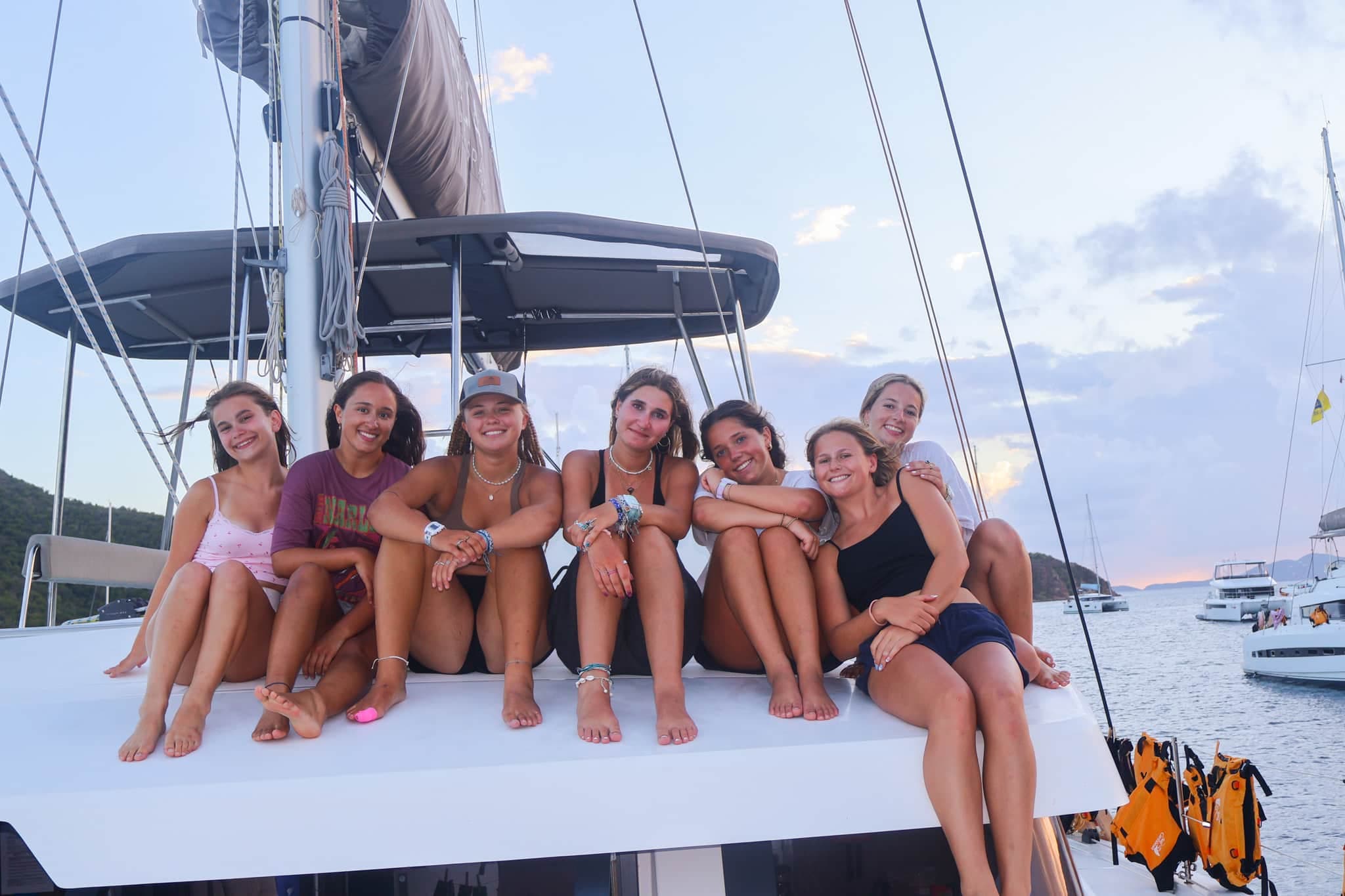
A typical teen sailing program operates on precise logistics: fleets commonly run 6–10 day rotations with 6–8 participants per vessel, planning 10–40 nautical mile passages daily between anchorages to balance seamanship training and shore excursions. Crew shifts, provisioning cycles, fuel and water resupply points, and emergency evacuation plans are coordinated in advance with local marinas and authorities to ensure safe, educational voyages.
The onboard routine: immersive living and rapid teamwork
Aboard a sailboat, teens move quickly from stranger to crewmate because maritime life compresses social interaction into close quarters and shared tasks. Sleeping arrangements are typically gender-separated cabins with two to three occupants; much of the social life spills onto deck where watches, night watches, and star-sleeping rotate among participants. The compact environment teaches organization, respect for shared space, and a practical approach to daily chores.
Daily operational flow
Each day follows a predictable yet flexible schedule that reinforces responsibility and skills:
📚 You may also like
- Morning: galley duties, safety checks, sail and rigging preparation;
- Midday: helm time, sail trim, navigation practice, and passage planning;
- Afternoon: anchoring, snorkeling, watersports, or shore hikes;
- Evening: debriefs, planning meetings, and downtime.
Practical skills: navigation, seamanship, and leadership
Programs divide learning into hands-on technical competencies and intangible personal growth. Hard skills taught onboard include chart reading, compass use, knot-tying, sail trim, docking techniques, and basic engine troubleshooting. These are reinforced through watch rotations and real-world tasks, so progress is visible and measurable.
Soft skills—communication, decision-making, conflict resolution, and leadership—are cultivated through team roles and the “Captain of the Day” system, where one student leads the crew and manages daily responsibilities under staff supervision. That combination of authority and accountability accelerates personal development.
Safety structure and supervision
Every vessel operates with a professional crew: one certified Captain and at least one Mate who live and work alongside students. Mates manage day-to-day routines, support instruction, and ensure equipment protocols are followed. Captains retain command responsibility for navigation and safety, but the culture encourages teens to take operational roles within defined limits.
Off-boat activities and educational extensions
While the sailboat is the operational base, excursions amplify the experience. Common activities include snorkeling over reefs, guided dives for certification candidates, island hikes, and visits to signature sites such as volcanic formations or protected beaches. Environmental modules—like marine biology primers and beach cleanups—connect recreation with stewardship.
Sample activities roster
| Time | Activity | Learning Outcome |
|---|---|---|
| 08:00 | Watch handover & sail check | Routine management, safety checks |
| 11:00 | Helm practice & navigation | Chart plotting, situational awareness |
| 15:00 | Snorkel / dive training | Marine ecosystems, buoyancy control |
| 19:00 | Debrief & planning | Leadership, communication |
Packing, preparation, and the right mindset
Packing for a sailing camp prioritizes minimalism and durability. Soft duffels only (no rolling suitcases), reef-safe sunscreen, polarized sunglasses, rash guards, and quick-dry clothing suffice for an 8–10 day rotation. Label gear clearly and anticipate salt, sun, and splash: electronics are discouraged, and laundry is performed onboard or during port stops.
- Recommended footwear: all-terrain sandals or non-marking sneakers
- Essentials: personal flotation device (if required), waterproof bag, travel first-aid
- Docs: passport, medical forms, and emergency contacts
Equally important is the psychological preparation: an openness to unplug, adapt, and collaborate is as valuable as any physical item packed.
Why parents and teens value the camp experience
Outcomes are measurable in both skill and confidence. Students return with concrete experience—chartwork, watchstanding, knots—and intangible gains such as resilience and a capacity for teamwork. Former participants often cite lifelong friendships formed in this concentrated environment; parents note increased maturity and independence in their children.
Voices from the program
Many families report repeat enrollments and strong endorsements. For example, the parent of Annsley L. described how their child found deep friendships; the parent of Colt S. emphasized synchronized team dynamics and lasting bonds; the parent of Wren B. noted transformative personal growth and a lasting passion for sailing.
Logistics for managers and operators
From an operational standpoint, running teen sailing programs requires careful coordination with local marinas for provisioning and fuel, compliance with maritime safety regulations, and robust emergency response planning. Shore-side partners—tour operators, dive centers, and local guides—must be vetted and integrated into the itinerary to ensure both educational value and legal compliance.
GetBoat’s perspective and community connection
GetBoat always keeps an eye on news related to sailing and seaside vacations, understanding what it means to enjoy great leisure and love the ocean. The service values freedom, energy, and the ability to choose your own course, offering options that match preferences, budgets, and tastes.
Planning ahead: how this trend affects travel and bookings
Forecast: growth in teen sail programs may modestly reshape niche tourism corridors—particularly in island chains with reliable anchorages and rich marine life—but it is unlikely to overturn global tourism patterns. Still, demand for experiential, skills-based travel continues to rise. Start planning your next seaside adventure and make sure to book the best boat and yacht rentals with GetBoat before the opportunity sails away!
Highlights: teen sailing camps compress intensive learning, social bonding, and environmental awareness into a short timeframe. Experiencing a new location by sea is multifaceted—you learn about the culture, nature, the indescribable palette of local colors, its rhythm of life, and unique aspects of service. If you are planning your next trip to the sea, you should definitely consider renting a boat (boat rentals, rent a boat, rent a yacht), as each inlet, bay, and lagoon is unique and tells you about the region just as much as the local cuisine, architecture, and language GetBoat.com
Summary: Teen sailing camps blend practical seamanship with personal growth—daily routines teach navigation and safety while off-boat activities broaden environmental and cultural awareness. For families and young adventurers seeking a structured yet liberating maritime experience, these programs deliver measurable skills and lasting memories. Platforms like GetBoat.com support this spirit by offering transparent, global access to yacht and boat charters, helping travelers find the right vessel—whether for a charter, day sail, or longer cruise—across marinas and Destinations worldwide. From yacht and superyacht listings to options for fishing, diving, and beach hopping, the market of boat sale, rent, and yachting activities connects you to sea, ocean, gulf, lake, and clearwater experiences with trusted captains and verified listings.


