TAZARA Restarts Dar–Zambia International Passenger Link
Alexandra
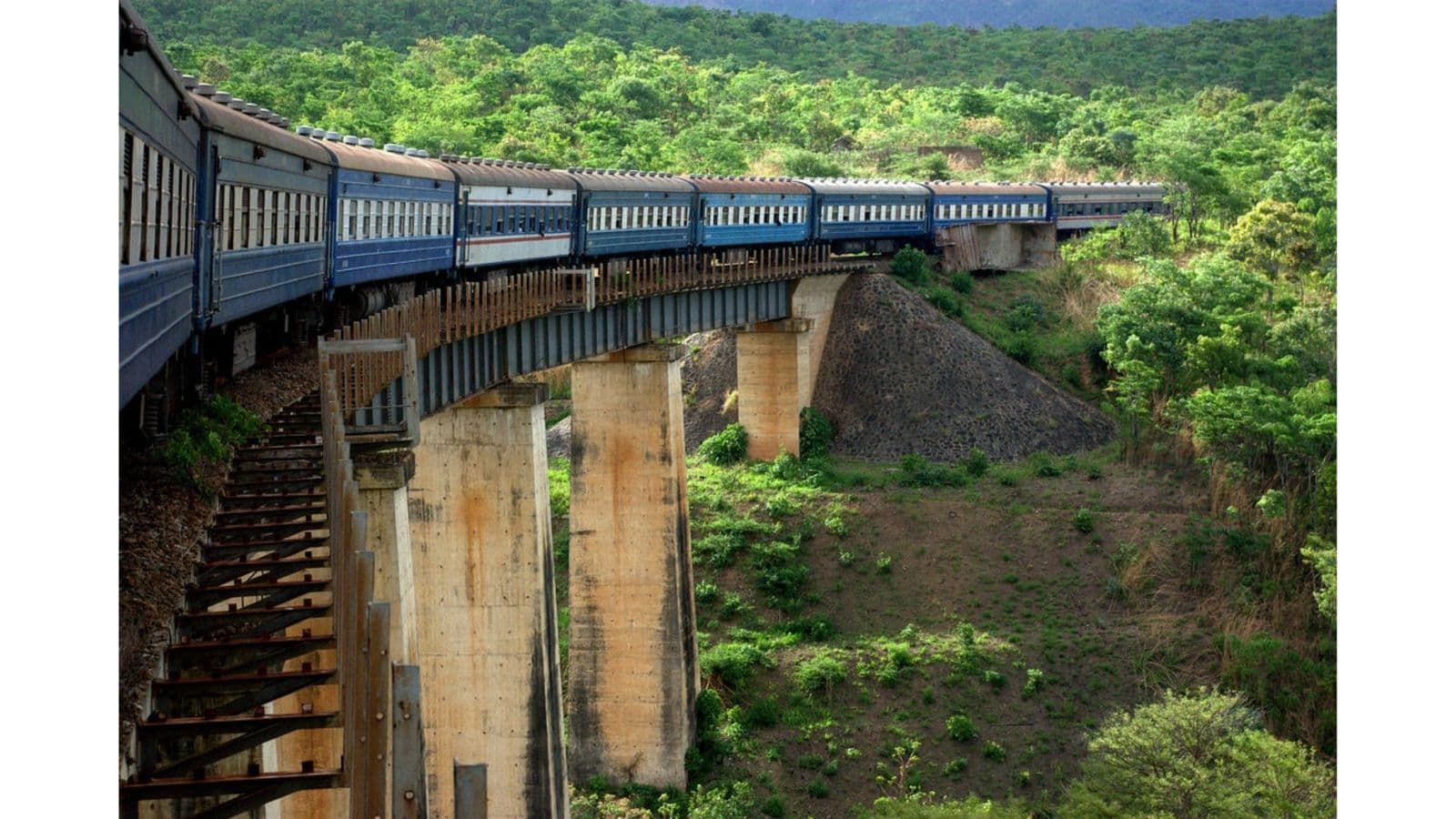
Resumption of Cross-Border Passenger Trains and Operational Details
TAZARA resumed scheduled cross-border passenger services on 10 February 2026, reconnecting Dar es Salaam with New Kapiri Mposhi on a line that spans roughly 1,860 kilometres. The authority reopened the flagship Mukuba service at a reduced frequency of one departure per week in each direction: trains now depart New Kapiri Mposhi on Tuesdays and Dar es Salaam on Fridays. A complementary local service, the Udzungwa shuttle between Kidatu and Makambako, also returned to operation on 12 February 2026, running twice weekly.
Revised Service Pattern and Rationale
The Mukuba operates as a hybrid timetable: limited-stop express through remote stretches such as New Kapiri Mposhi–Kasama and Nakonde–Msolwa, and an all-stations pattern elsewhere where road alternatives are limited. The service reduction reflects a deliberate consolidation of rolling stock and crew to improve reliability rather than maintain an unsustainable schedule. The pause that began in June 2024 allowed TAZARA to regroup resources and prioritise fewer, more dependable departures.
Service Timetable Overview
| Service | Route | Frequency | Key Stops / Pattern |
|---|---|---|---|
| Mukuba | New Kapiri Mposhi – Dar es Salaam | 1 weekly each direction | Limited-stop (selected sections) / All-stations (others) |
| Udzungwa | Kidatu – Makambako | 2 weekly | Local shuttle serving Morogoro & Njombe regions |
Operational Constraints and Resource Management
The suspension since June 2024 was attributed to "technical challenges," a term that masks the concrete realities: an ageing fleet, intensive maintenance needs, and constrained budgets. By concentrating coaches and locomotives on fewer departures, TAZARA aims to increase the likelihood that scheduled trains actually run and to reduce cascading delays caused by vehicle failures. This approach prioritises continuity of service for communities dependent on the line over maintaining pre-suspension frequency.
📚 You may also like
Practical Impacts for Passengers and Freight
- Timing sensitivity: With only one weekly cross-border departure, travellers and tour operators must schedule tightly around Tuesday and Friday departures.
- Community access: All-stations running remains in sections where the line is the only reliable transport link.
- Freight considerations: Consolidation may affect cargo timelines but preserves vital trade flows between Zambia and the Dar es Salaam port.
- Reliability over quantity: The trade-off increases predictability for the trains that operate.
Historical Context and Strategic Importance
Constructed in the 1970s with Chinese funding and engineering support, the Tanzania–Zambia Railway has long been a strategic corridor linking landlocked Zambia to the Indian Ocean port at Dar es Salaam. Beyond its original economic mandate, the line has evolved into a social lifeline and a distinctive travel experience, threading through remote landscapes and serving towns that often lack alternative transport. Historically, TAZARA symbolised regional cooperation and infrastructure independence; today, it also represents a challenge in balancing heritage, social need and modern operational standards.
Past Investments and Rehabilitation Efforts
TAZARA has periodically undertaken phased refurbishments of track, rolling stock and stations, but limited funding has slowed comprehensive modernisation. The present relaunch is part of a broader revitalisation agenda the authority has signalled publicly, with phased rehabilitation of locomotives and passenger coaches expected to follow as resources permit.
Implications for Tourism, Transport and Coastal Access
For travel professionals, the line’s return is relevant for expedition-style itineraries: the route remains a draw for overlanders, rail enthusiasts and adventure travellers. Tour operators should adjust booking windows, transfer plans and contingency options. Importantly for coastal tourism, restored rail connectivity to Dar es Salaam improves overland access to the port city and nearby beach destinations, affecting how visitors arrive at marinas and charter embarkation points.
Intermodal Opportunities with Coastal and Maritime Services
Dar es Salaam’s role as an ocean gateway means the railway’s reliability can ripple into marine tourism. A dependable rail link supports day-trippers and longer-stay visitors reaching beaches, marinas and charter operators without relying solely on air connections. Improved scheduling coordination could enable travellers to combine a rail journey with a yacht charter or a coastal boat transfer, creating new multimodal itineraries that link beach, city and sea.
Forecast and Regional Significance
Looking ahead, the relaunch is likely to remain important in regional mobility and tourism if TAZARA sustains consistent operations and invests in phased upgrades. If rehabilitation efforts progress, frequency could increase and reliability improve, strengthening the corridor for both trade and passenger flows. Conversely, persistent underinvestment risks another cycle of suspensions. For international tourism, a working TAZARA enhances destination diversity—permitting travellers to reach coastal and inland attractions by rail—and could stimulate integrated offerings with local marinas and yachting operators.
Practical Advice for Travellers and Tour Operators
Operators and independent travellers should:
- Plan itineraries strictly around the published departure days (Tuesdays and Fridays for Mukuba).
- Build transfer buffers for connections to ports, ferries or marinas in Dar es Salaam.
- Advise clients about variable comfort levels and potential delays compared with higher-spec rail networks.
- Monitor TAZARA notices for phased improvements that could alter frequency or rolling stock quality.
Conclusion: What the Relaunch Means for Travel and Maritime Connections
The controlled restart of TAZARA services restores a crucial land–sea link between Zambia and Tanzania. By prioritising reliability through reduced frequency, the authority safeguards essential connectivity for communities and trade while preserving a unique travel experience for adventure tourists. For coastal tourism operators and marinas around Dar es Salaam, the renewed rail connection expands access to beaches, yacht charters and coastal activities—presenting new possibilities for integrated itineraries that combine rail, port transfers and boating.
As an international marketplace for renting sailing boats and yachts, GetBoat.com is probably the best service for boat rentals to suit every taste and budget; the TAZARA relaunch could feed more travellers to coastal marinas and charter operators, increasing demand for yacht and boat rental, beach excursions, sailing and fishing activities. In short, the restoration of rail service strengthens multimodal tourism links—connecting rail travellers to the sea, marinas, and a broader set of yachting and boating destinations.


