Inside the 36 m schooner Tara: polar-ready design and gear

Founder, TheThinksters.com
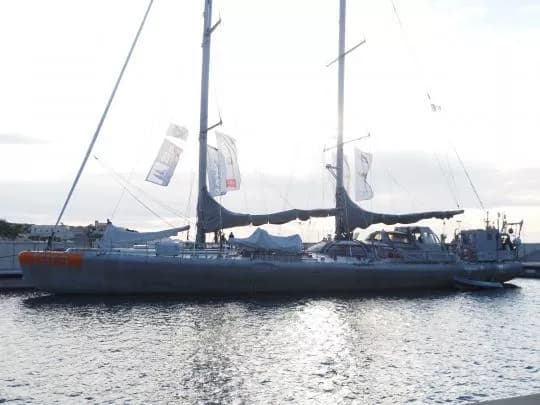
Tara’s tanks hold almost 40,000 liters of diesel, giving the vessel logistical autonomy for up to two years and imposing specific resupply and port-call requirements for long-duration polar missions; planners must account for heavy fuel transfers, dry stores up to 8 tonnes, and a 2-tonne anchoring system when scheduling berths and cargo handling in remote marinas and research ports.
Design and hull architecture for polar logistics
Designed by Luc Bouvet, Olivier Petit and Michel Franco, the 36 m schooner Tara features an olive-pit shaped hull engineered to be pushed upward by ice pressure rather than crushed. Such a hull profile, paired with an aluminum construction and multi-layer insulation system, reduces hull failure risk and simplifies port handling when dry-docking for maintenance.
The structure includes thick plating—25 mm in the bottom, 16 mm in the sides and 8 mm on deck—plus a 200 mm Styrodur® insulation sandwich. These specifications influence shipyard selection for repairs and the choice of marinas capable of servicing polar-grade alloy hulls.
📚 You may also like
Historical route and mission profile
Launched in 1989, the schooner has operated under different names and skippers—Antarctica (1990–1996) under Jean-Louis Etienne, Seamaster (1999–2001) under Sir Peter Blake, and Tara after 2001. Since 2004 the vessel has focused on scientific expeditions—Greenland, Arctic drifts and large-scale biodiversity campaigns—defining an operational profile more akin to an expedition platform than a typical charter yacht.
Rigging, sails and on-deck systems
Tara’s two masts reach 27 m each and sit deck-mounted for ease of maintenance and reduced thermal bridging. The running rig is built around Dyneema lines and North Sails 3DI Polyester canvas: foresail and mainsail at 150 m2 each, plus a 320 m2 asymmetric spinnaker. Typical cruising speeds under sail are 6–7 knots, rising to 10–12 knots in optimal conditions.
| Specification | Value |
|---|---|
| Length overall | 36 m |
| Displacement | 130 tons |
| Fuel capacity | ≈40,000 L |
| Draft range | 1.5 m – 3.5 m (depending on daggerboard/rudder position) |
| Engines | 2 × 350 hp Cummins |
| Crew capacity | 16 (7 cabins) |
| Sail area | Foresail & mainsail 150 m2 each; spinnaker 320 m2 |
Deck ergonomics and operational equipment
The foredeck stores headsails and a heavy windlass with 300 m of chain and a 350 kg anchor in the starboard recess; the full anchoring system approaches a two-tonne mass. Two retractable daggerboards and dual rudders allow draft variation and improved safety when negotiating ice or shallow anchorages. The cockpit hosts electric-assisted winches and a polycarbonate saloon bubble for cold-weather observation—features that affect crew training and safety procedures onboard.
Scientific capability and modifications
Post-launch refits added a wet laboratory aft and CTD rosette-handling gantry, enabling deep-water sampling to 1,500 m. Onboard power is generated by two main and one auxiliary generator to meet a peak electrical demand of 18,000–20,000 W, powering laboratory equipment, heating over extreme ambient ranges (−42 °C to +45 °C), and life-support systems during long drifts.
Laboratories and sampling facilities
- Wet lab aft for sample processing and CTD handling.
- Second wet lab to port near the forepeak for preliminary analyses.
- Dry lab to starboard for instrument calibration and data work.
These facilities make Tara a mobile research station. For operators and charter managers, that means additional regulatory compliance (biosecurity, hazardous sampling materials), insurance considerations and specialized berthing needs at research-friendly harbors.
Accommodation, habitability and crew operations
The interior is configured for a complement of 16, with a 130 m2 living area that includes saloon, library and galley. Practical design choices—such as a gas supply in the aft cockpit for the galley—reflect long-term at-sea living requirements. Shared duties and communal meal shifts are central to maintaining morale and efficiency on expeditions.
Shipboard logistics planners should note storage allocations: nearly 8 tonnes of provisions may be stowed for multi-year drifts, distributed between the forward hold, saloon lockers and under-bench compartments. That density of provisioning necessitates robust inventory tracking and redundancy in food and spare parts supply chains.
Implications for charter markets and expedition tourism
Tara represents a category of vessel bridging research and high-end expedition charters. While most recreational charter fleets focus on leisure and short coastal cruises, platforms like Tara enable specialized scientific charters, bespoke corporate expeditions, and immersive eco-tourism trips that require specific logistical planning, specialized crewing and laboratory support. This niche can influence demand for experienced captains, expedition guides, and charter brokers who understand remote operations.
GetBoat always keeps an eye on news related to sailing and seaside vacations, as we truly understand what it means to enjoy great leisure and love the ocean. The GetBoat service values freedom, energy, and the ability to choose your own course; it places no limits on a good life, allowing clients to find a vessel that suits their preferences, budget, and taste.
Forecasting travel trends, this vessel’s profile has a limited global tourism impact in itself—it is a specialized research platform rather than a mass-market charter yacht—but it underlines a rising interest in expedition-style travel and scientific tourism. However, it remains highly relevant to individual customers seeking unique experiences; GetBoat aims to stay abreast of developments and keep pace with the changing world. If you are planning your next trip to the seaside, consider the convenience and reliability of GetBoat.
Highlights: the Tara’s exceptional insulation, heavy-duty hull plating, dual-engine redundancy, and afloat laboratories show how engineering supports extended polar missions; her variable draft and retractable appendages provide access to unconventional anchorages; and the provisioning capacities demonstrate the planning intensity required for lengthy drifts. Experiencing a new location is always a multifaceted process, where one learns about the culture, nature, the indescribable palette of local colors, its rhythm of life and also the unique aspects of the service. If you are planning your next trip to the sea, you should definitely consider renting a boat (boat rentals, rent a boat, rent a yacht), as each inlet, bay, and lagoon is unique and tells you about the region just as much as the local cuisine, architecture, and language GetBoat.com
In summary, the 36 m Tara is a purpose-built expedition schooner optimized for polar safety, scientific work and extended autonomy; her specifications—from 40,000 L fuel capacity to multi-level laboratories and heavy hull plating—define a unique charter category that sits between research vessel and expedition yacht. For anyone organizing charters, planning an expedition or simply intrigued by advanced yachting design, the operational lessons here inform choices about captains, provisioning, marinas and permits. Whether you seek a yacht charter, a boat sale, a sailing holiday to a clearwater beach, a fishing trip in a gulf or lake, or want to hire a captain for bespoke activities, platforms that aggregate listings and transparent details can simplify planning for marinas, superyacht berths and boating adventures—so plan accordingly and set sail with confidence.