TAAG’s A220 Growth Strengthens Luanda Hub
Alexandra
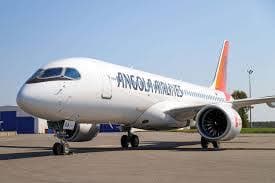
TAAG Angola Airlines has placed its fifth Airbus A220-300 into service in Luanda as part of a 15-aircraft acquisition, with a further five A220-300s scheduled to arrive across 2026, accelerating the phase-out of older Boeing 737-700 narrowbodies and reshaping short- and medium-haul logistics across Southern and Central Africa.
Fleet renewal and operational logistics
The arrival of the fifth A220-300 is more than a headline; it changes how TAAG will plan block times, crew rostering, and maintenance cycles. The A220’s improved dispatch reliability supports tighter connection windows at Dr. António Agostinho Neto International Airport (AIAAN), feeding long-haul services through a true hub-and-spoke model. Network planners can now right-size capacity for routes that previously suffered from either under‑demand or inefficient equipment choices.
Key operational effects
- Improved schedule stability: Modern avionics and systems reduce AOG risk and improve on-time performance.
- Route economics: Lower fuel burn allows sustained frequencies on thinner city pairs.
- Ramp and turnaround: New aircraft types require updated ground handling and streamlining at marshalling stands.
Passenger experience and sales advantages
The A220-300 brings tangible cabin upgrades that travel sellers can pitch: wider seats, larger windows, and quieter cabins—all useful selling points for corporate passengers and tourists using Luanda as a gateway to Cape Town, Johannesburg, Windhoek, Kinshasa, and Lagos. For tour operators packaging regional itineraries, that comfort differential reduces buyer hesitation for multi-leg journeys.
📚 You may also like
Route list likely to benefit
- Cape Town — business and leisure traffic
- Johannesburg — high-frequency corporate flows
- Windhoek — tourism and regional connectivity
- Kinshasa and Lagos — long thin sectors requiring efficient equipment
Economics: why the A220 matters
The A220-300 is pictured in the company’s commercial plan as a cost-control lever. It burns roughly 25% less fuel per seat versus older narrowbodies, a meaningful metric in markets where jet fuel prices are a volatile major cost. Those savings translate into the option to maintain or increase frequencies without proportionally higher fares, and to test new city pairs that were previously uneconomic.
| Metric | A220-300 | Boeing 737-700 (legacy) |
|---|---|---|
| Fuel burn per seat | ~25% lower | Higher |
| Cabin comfort | Wider seats, quieter | Older configuration |
| Range/flexibility | Short to medium sectors | Short to medium sectors |
Logistics of introducing multiple aircraft in a year
Bringing five additional A220s in a single calendar year creates a sprint for training, parts provisioning, and hangar space. Pilots and cabin crew need type ratings and familiarization; maintenance technicians require manufacturer-backed training and tooling. Those investments deliver secondary benefits through skills transfer into the local aviation workforce and supply chain.
Implementation checklist
- Type-rating programs for flight crews
- Line maintenance and A-check scheduling
- Spare parts stocking and logistics chains
- Ground handling updates at AIAAN
Implications for coastal tourism and boating
Better air connectivity from Luanda can be a boon for coastal destinations and charter operators. More reliable connections and attractive flight cabins encourage longer itineraries that mix city stops with beach and yachting experiences. For GetBoat.com users this means easier access to marinas, improved demand for yacht charters, and potential growth in day‑boat activities and superyacht calls at regional ports. As the saying goes, when the airline network flows, it’s smooth sailing for the rest of the travel ecosystem.
Practical impacts on the marine sector
- Increased inbound demand for yacht charter and boat rent in coastal cities
- More predictable arrival times aiding captain scheduling and provisioning
- Opportunities for combined air-sea packages linking marinas to inland lakes and gulf destinations
TAAG’s A220 rollout is a classic example of right-sizing capacity: replacing older jets with fuel-efficient, passenger-friendly aircraft enables higher frequencies and better connectivity without overcapacity. The move supports Luanda’s ambition to act as a regional hub and creates knock-on benefits for tourism suppliers, from hotel operators to marinas and charter companies.
In summary, the delivery of the fifth Airbus A220-300 marks a tangible shift in TAAG’s regional operations: improved fuel efficiency, enhanced passenger comfort, and a practical logistics plan tied to Dr. António Agostinho Neto International Airport. Travel agents, yacht charter brokers, and marina operators should watch how the remaining A220s are deployed—this fleet renewal will influence connections to beach and lake Destinations, boost demand for yacht and boat rent, and generally make sailing, yachting, superyacht calls, fishing trips, and other boating activities more accessible across the gulf, sea, and ocean corridors. Smooth sailing ahead for regional aviation and the linked world of marinas, captains, and charter sales.


