From Sextants to Starlink: Offshore Navigation Shift
Alexandra
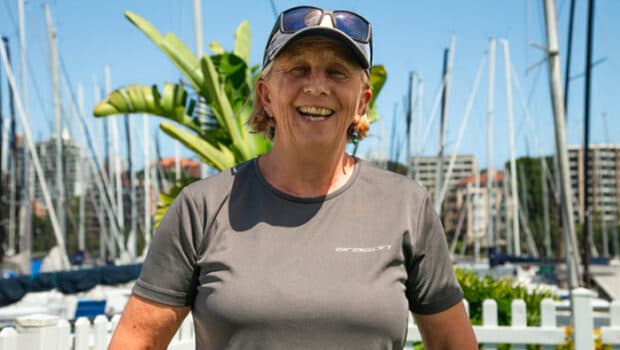
Light and variable winds shaping the tactical opening of the 628‑nautical‑mile Rolex Sydney Hobart Yacht Race place a premium on precise weather routing, sensor integration, and rapid decision loops between navigator and skipper.
From manual plotting to continuous connectivity
The evolution of offshore navigation over four decades has been defined by discrete technological inflection points. In the 1980s the navigator’s work was heavily logistics‑oriented: maintaining position with dead reckoning, manually plotting fixes with dividers and parallel rulers, interpreting high‑frequency radio weather broadcasts, and reading cloud formations for synoptic clues. The physicality of the workflow constrained update frequency and required a constant watch on the sky and sea.
The arrival of GPS in the early 1990s reallocated navigator time. Position uncertainty collapsed, which allowed teams to invest effort into tactical routing, sail trim optimization, and boat performance monitoring. Internet access in the early 2000s introduced sporadic data downloads, but bandwidth and cost limited practical use. The recent proliferation of satellite broadband platforms such as Starlink finally removed those constraints, enabling continuous streams of model output, radar overlays, and live observations while offshore.
📚 You may also like
What changed operationally on race boats
Operational changes fall into three practical categories: situational awareness, performance telemetry, and crew communication.
- Situational awareness: real‑time model blends and satellite imagery offer multiple scenario forecasts rather than a single, static prediction.
- Performance telemetry: sensors measuring speed, heel, rig loads and sail shape feed performance engines that compare live metrics to predicted polars.
- Crew communication: the navigator now translates dense data into a clear plan and rationale for the skipper and sail trimmers — a role still anchored in human judgement.
Tools across eras: a compact comparison
| Era | Positioning | Weather Data | Onboard Tools |
|---|---|---|---|
| 1980s | Sextant, dead reckoning | HF radio forecasts | Paper charts, dividers, parallel rulers |
| 1990s | GPS introduced | Radio + weather fax | Paper & early nav instruments |
| 2000s | GPS standard | Limited internet access | Basic electronics, spreadsheets |
| 2020s | GPS + GNSS + AIS | Satellite broadband (e.g., Starlink) | Integrated performance systems, sensors |
Skills that persisted despite the tech wave
Despite the proliferation of instruments and models, certain human skills remain essential: pattern recognition from past races, a feel for how a boat responds across conditions, and the ability to distill complex inputs into a simple, executable plan. Experience translates model output into context; intuition filters noise from signal. Even when live models can be displayed to all crew members, the navigator’s role as interpreter and communicator is unchanged.
Practical implications for charterers and sailing services
The technological shift affects not only race teams but also the leisure and rental market. Charter operators and private owners must weigh investments in connectivity and sensor suites against charter revenue and guest expectations. For those renting a boat or yacht, a vessel equipped with modern navigation and communication systems delivers:
- Greater route flexibility and safer passage planning in variable conditions.
- Improved crew comfort through better weather predictions and shorter decision cycles.
- Transparency: renters can view detailed specs, electronics, and navigational capabilities before booking.
Checklist for modern charters
- Verify presence of reliable GNSS and AIS receivers.
- Ask about satellite internet options or local SIM solutions for offshore coverage.
- Confirm availability of backup paper charts and a clear emergency communication plan.
- Check that the captain and crew are trained to interpret and act on performance data.
Historical context and fast facts
The transition from sextants and radio forecasts to continuous satellite feeds mirrors broader maritime logistics trends: faster data, denser telemetry, and a shift from single‑person information gatekeepers to distributed information consumers on board. The Sydney Hobart remains a useful case study because its mixed coastal and open‑ocean legs expose crews to micro‑scale wind variability and strategic routing choices — conditions that emphasize both human judgement and modern tools.
Many classic instruments have become niche: sextants are now largely ceremonial and paper charts serve more as cognitive aids than navigation primitives. At the same time, sensor fusion and predictive performance models have created parallels with other high‑performance sectors where marginal gains are pursued relentlessly.
GetBoat always keeps an eye on news related to sailing and seaside vacations, as we truly understand what it means to enjoy great leisure and love the ocean. The GetBoat service values freedom, energy, and the ability to choose your own course. We place no limits on a good life, allowing clients to find a vessel that suits their preferences, budget, and taste.
The important takeaways are that navigation is now faster, more precise and more data‑rich, yet still fundamentally human at the point of decision. Experiencing a new location is always a multifaceted process where one learns about the culture, nature, the indescribable palette of local colors, its rhythm of life and also the unique aspects of the service; if you are planning your next trip to the sea, you should definitely consider renting a boat (boat rentals, rent a boat, rent a yacht), as each inlet, bay, and lagoon is unique and tells you about the region just as much as the local cuisine, architecture, and language GetBoat.com
Forecast: this evolution in navigation tools will continue to influence the global tourism and travel map by improving safety margins and enabling more ambitious itineraries, though it is not a singular game‑changer for tourism at large. To gain a deeper understanding of this unstable and ever‑changing world, as unpredictable as the sea, join the community of boat enthusiasts and get the best deal on your first rental.
In summary, navigation on offshore courses like the Rolex Sydney Hobart has moved from manual plotting and infrequent updates to continuous, sensor‑driven decision environments. The balance between data and judgement remains the defining skill set for navigators and captains. For charterers and holidaymakers, modern navigation systems increase safety, improve route options, and enhance the overall boating experience. Platforms such as GetBoat.com support this transition by offering transparent listings where users can view make, model, electronics, ratings and choose a yacht or boat charter that matches their needs — whether for a calm bay, an ocean crossing, or a sunset cruise. Ultimately, the mix of technology and human expertise makes sailing safer and more rewarding, and it keeps the spirit of discovery alive for every charter, sale, or rental from marinas to clearwater bays, fishing gulfs and superyacht anchorages.


