Sydney Hobart Race: Death Valley vs Plateau of Pain
Alexandra
Wind and pressure setup off Sydney Heads: immediate tactical implications
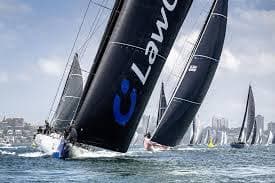
PredictWind charts show a 1,026 hPa high resting across Tasmania with its northern ridge over Sydney, producing onshore drizzle and a steady 25 kt breeze at the Heads, gusting higher. That combination delivers a fast, powered start for boats leaving Sydney Harbour but foreshadows a rapid transition: once fleet lines cross South Head the wind angles and strength will alter markedly, necessitating quick sail changes and secure stowage of flying sails.
Two-stage race challenge: "Death Valley" and the "Plateau of Pain"
The race profile can be split into two distinct meteorological phases. The first — dubbed Death Valley — is characterised by closely packed isobars producing strong vertical acceleration and relentless wind variability. The second phase — the Plateau of Pain — follows under the influence of the large, slow high where winds ease to sub-5 kt north-easterlies in the River Derwent and surrounding approaches.
How each phase affects performance and onboard logistics
- Death Valley: expect frequent gust cycles, spray and an on/off powered reach that favors heavier boats with momentum; stowage points and crew fatigue management become critical.
- Transition through South Head: rapid sail changes; flying sail retrieval windows close quickly so plan halyards and reefing sequences in advance.
- Plateau of Pain: light-air tactics dominate—polars, weight placement and precise sail trim are decisive; hydrate crews and prepare for long clocked-in watch schedules.
Short tactical checklist before the start
Given the forecasted set-up, crews should prioritise the following pre-start logistics:
📚 You may also like
| Item | Action |
|---|---|
| Flying sail readiness | Rig and cleat halyards; secure reefing gear; designate retrieval teams |
| Heavy-weather stowage | Wetsuits, harnesses and emergency gear accessible; maintain cockpit drainage |
| Hydration & nutrition | Pre-fill bottles and ration electrolyte packs; assign drink rounds |
| Communication | Confirm VHF channels, hand signals and skipper-to-crew commands |
Human factors: endurance, hydration and morale
In the Death Valley stretch vertical acceleration and repeated gust loading will sap strength and test boat systems. For the roughly 1,300 sailors competing, the first 40+ hours create a period where acclimatisation, heat and fluid management separate the efficient from the compromised. Crew rotation, short rest naps and conservative helming at critical moments reduce risk. Post-bashing rituals — a cold beer at the Customs House or a swap of scarcely used wet weather gear — also feature as morale boosters once ashore.
Regional specifics and route bottlenecks
The Tasman Sea high now trailing north gives a peculiar advantage to boats able to carry flying sails early but then quickly depower as winds ease. Approaching Storm Bay and the River Derwent, speeds may drop to just a few knots with light northerlies that reward precise manoeuvring. Supermaxis can finish earlier if timed to exploit residual breeze, while smaller boats must be prepared to grind through long light-air legs.
Key geographic pinch points
- South Head — immediate wind angle change and a zone where sail inventory decisions are critical.
- Storm Bay — reaching potential turns to tide, where a small lift can be worth minutes.
- River Derwent — notorious for trapped light airs and tricky current interactions; tactical patience is often rewarded.
Historical context and racing lore
The characterisation of certain Sydney Hobart stretches as zones of near-mythical hardship has long roots: repeated cycles of heavy compression into light air and sudden gusts have created a race culture of toughness, improvisation and celebration. Tales of post-race bargains for barely used wet weather gear and the shared humour about tapping a non-existent transporter point to the camaraderie that underpins long offshore races.
Implications for coastal charter and leisure boating
Competitive forecasts like this one have practical knock-on effects for the recreational sector. Charter operators, skippers and renters watching the Sydney Hobart know that a strong, changeable onshore regime increases demand for well-equipped vessels with secure cockpits, reliable headsails and experienced skippers. For anyone considering a coastal cruise during or after the race, paying attention to these patterns can inform decisions about which boats to rent, whether to hire a captain, and which marinas offer sheltered berthing.
GetBoat always keeps an eye on news related to sailing and seaside vacations, since we truly understand what it means to enjoy great leisure and love the ocean. The service values freedom, energy, and the ability to choose your own course, placing no limits on a good life and helping clients find a vessel that suits their preferences, budget, and taste.
Practical advice for renters and charterers
- Choose a vessel with clear inspection reports and transparent ratings for offshore capability.
- Consider adding a professional captain if weather volatility is forecasted.
- Prioritise boats with robust bilge systems, good cockpit drainage and secure line handling.
- Book flexible pick-up and drop-off times—weather delays are normal around major races.
For travellers who want to connect race-watching with a quality on-water experience, the mix of heavy weather spectacle and the calm of sheltered bays presents a unique tourism moment; marinas and charter companies often see spikes in demand around such events. If you are planning your next trip to the sea, you should definitely consider renting a boat (boat rentals, rent a boat, rent a yacht), as each inlet, bay, and lagoon is unique and tells you about the region just as much as the local cuisine, architecture, and language and also the unique aspects of the service. GetBoat.com
Forecasted impact and call to action
Short forecast: this particular pressure pattern will most likely influence boat traffic and charter demand in southeast Australia for the immediate race window but is not expected to re-draw global travel maps. Still, for local tourism and boating communities the effects are tangible—harbours busier, marinas fuller, and demand for experienced skippers and seaworthy craft higher. Start planning your next seaside adventure and make sure to book the best boat and yacht rentals with GetBoat before the opportunity sails away!
Summary and takeaways
The upcoming Sydney Hobart features a two-part gauntlet: a high-energy, gust-prone Death Valley off Sydney Heads that rewards preparation and heavy-weather competence, followed by a light-air Plateau of Pain in the Derwent that favors patience and refined sail trim. Logistically, crews should secure flying sails early, rotate watches to prevent exhaustion, and prioritise hydration and stowage. For leisure sailors, charterers and renters, the event highlights the importance of choosing suitable boats, considering a captain, and checking vessel ratings and equipment ahead of departure. The platform supports these needs by offering global, user-friendly access to bookings and sales of boats, yachts and sailcraft, with transparent listings showing make, model and ratings so users can pick the right craft for their budget and taste. No limits on a good life.


