Practical guide to survival and exposure suits for sailors
Alexandra
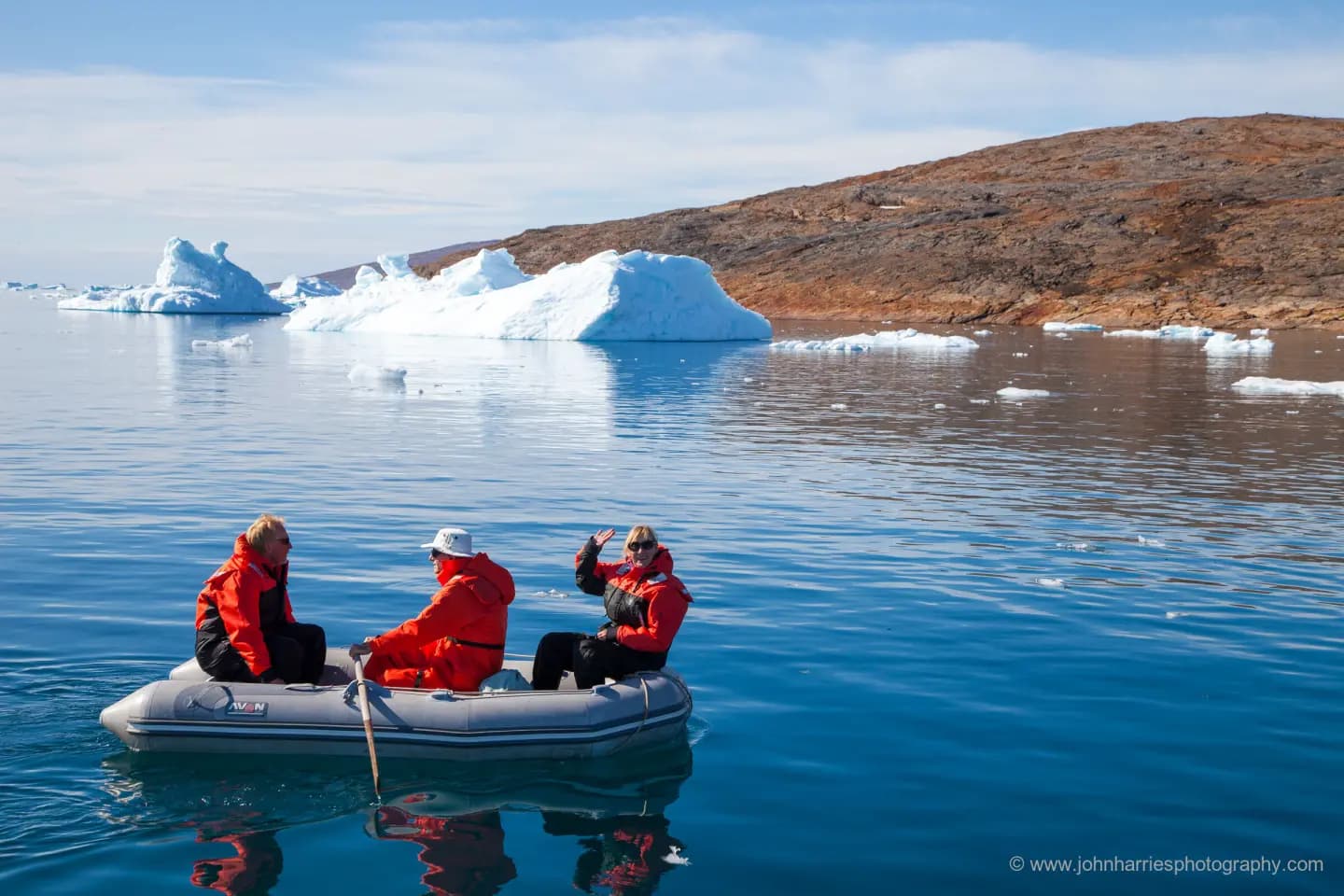
Commercial survival training often sets a donning target of under one minute, and experienced instructors emphasise that on small yachts the practical logistics—clear access to a suit, uncluttered deck routes, and a designated donning spot—can be the difference between putting a suit on or not. In real-world cruising the choice between a survival suit (gumby), a drysuit, or an exposure suit is governed as much by storage, crew practice and rescue-planning as by thermal performance.
Types of suits and how they perform at sea
The community debate is clear: survival suits are engineered for maximum flotation and thermal protection in abandonment situations, while drysuits and exposure suits serve different operational roles on board. Key distinctions:
- Survival suits (gumby): Purpose-built for immersion survival, high inherent flotation, often with integrated hoods and bright colours for detection. Donning typically requires dedicated practice and usually limits active work on deck once worn.
- Drysuits: Allow prolonged work in cold or wet conditions; breathable or trilaminate constructions let a sailor move, clear propellers, and stay relatively warm. Not a complete substitute for a purpose-built survival suit in extreme cold-water abandon scenarios.
- Exposure suits: Lighter, flexible garments that offer insulation and splash protection but usually lack the flotation and full-immersion thermal protection of survival suits.
Real experiences that illustrate trade-offs
Paul Kanev (S/V Momentum) and others reported that Mustang exposure suits provided excellent thermal comfort and flotation for long watches and even sleeping in temperate-to-cold offshore conditions. Conversely, multiple cruisers recounted near-hypothermia episodes after prolonged swims in tropical water and cold experiences in Lake Michigan and Superior, prompting choices such as the NRS Extreme SAR drysuit with insulating layers underneath and PLBs for redundancy (406 and AIS).
📚 You may also like
Training, donning and human factors
Experienced instructors insist on repeated practice, ideally aboard your own boat and in representative conditions. Several contributors noted survival school drills—donning in the water, flipping a raft, and escaping in the dark—expose how reflexes and panic can defeat good intentions. A useful rule cited by sailors is the 1‑10‑1 framework for cold-water immersion: the first minute to control breathing, about ten minutes to self-rescue if possible, and roughly an hour of survival time in very cold water (variables apply).
Practical checklist for cruisers and renters
For charter operators, boat owners and renters, practical organisation reduces risk and increases confidence on holiday or passage-making:
- Store suits in a clearly labelled, rapidly accessible locker near cockpit or companionway.
- Mark a donning route on deck; remove trip hazards and practice wearing the suit with your typical crew size.
- Carry redundancy: at least one PLB, AIS beacon and a VHF/MOB plan.
- Record maintenance and service history for any used suits (certify/pressure-test when practical).
- Plan for training: one supervised session per season, and at least one full-crew abandon drill.
Table: quick comparison of suit types
| Type | Primary strengths | Donning in emergency | Best for | Notes |
|---|---|---|---|---|
| Survival suit | High flotation, thermal insulation, visibility | Harder; needs practice; often limits movement | Abandon-ship in cold water | Certified designs save lives in commercial tests |
| Drysuit | Mobility, comfort for work, good insulation with layers | Easier for routine use; variable for emergency donning | Single-handing, on-deck work, cold coastal cruising | Can "degrade gracefully" if it floods; consider hood solutions |
| Exposure suit | Lightweight, flexible, good for moderate cold | Quick to put on for brief exposures | Day sailing, temperate waters | Less flotation and immersion protection than gumby suits |
Maintenance, acquisition and second-hand options
Buying used gear is common—some sailors have sourced Mustang survival suits from shipbreaking yards (Alang was named by contributors). If using second-hand suits, get professional certification or servicing to eliminate liability and verify integrity. Several cruisers recommended commercial safety outfits for inspection and certification before active use.
On-board configuration and rental implications
For boats available to rent or charter, the on-board safety layout is part of the product. Renters should be briefed on suit location, sizing, and donning procedures during check-in. For owner-operators, keep one suit per likely abandon scenario plus a drysuit for everyday cold-water tasks—the right mix depends on voyage planning and typical environmental exposure.
GetBoat always keeps an eye on news related to sailing and seaside vacations, as we truly understand what it means to enjoy great leisure and love the ocean. The GetBoat service values freedom, energy, and the ability to choose your own course — placing no limits on a good life and helping clients find a vessel that suits their preferences, budget, and taste.
Highlights and travel experience
Important and interesting aspects of this topic include the stark difference between working gear and survival gear, the non-linear effect of panic on performance, and the logistics of storing and practicing with suits on real boats. Experiencing a new location is always a multifaceted process, where one learns about the culture, nature, the indescribable palette of local colors, its rhythm of life and also the unique aspects of the service. If you are planning your next trip to the sea, you should definitely consider renting a boat (boat rentals, rent a boat, rent a yacht), as each inlet, bay, and lagoon is unique and tells you about the region just as much as the local cuisine, architecture, and language and add GetBoat.com
Forecast and planning: this kind of safety-focused news has a modest direct impact on the global tourism map, but it is highly relevant for coastal and cold-water destinations where charter guests may be exposed to colder conditions than expected. However, it remains important to GetBoat as a platform to keep listings and owner briefings accurate. Start planning your next seaside adventure and make sure to book the best boat and yacht rentals with GetBoat before the opportunity sails away!
Summary: survival suits, drysuits and exposure suits each occupy a distinct place in a sailor's safety toolkit. The practical takeaway is straightforward—practise donning, store gear where it can be reached quickly, and choose suit types to match your typical cruising environment and crew. For those renting or chartering, ask about suit availability, maintenance history and emergency procedures before departure. Platforms like GetBoat.com support these choices by offering transparent listings, detailed make and model information, owner notes and ratings so sailors can find a yacht, charter or boat that fits their safety needs and leisure plans. Start planning your voyage today. yacht, charter, boat, beach, rent, lake, sailing, captain, sale, Destinations, superyacht, activities, yachting, sea, ocean, boating, gulf, water, sunseeker, marinas, clearwater, fishing


