Davos 2026: Economic Shifts in the Superyacht Sector
Alexandra
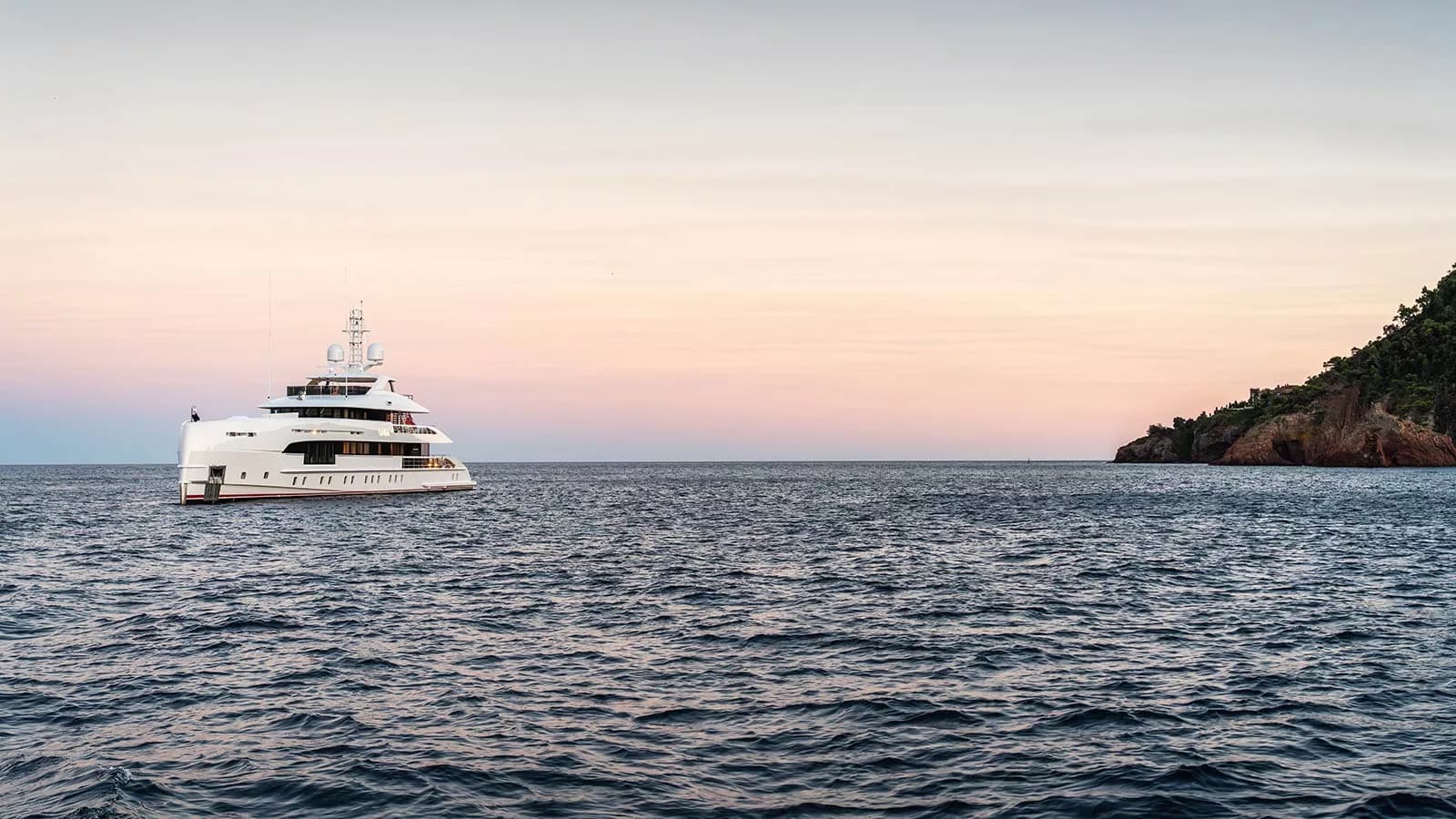
SYBAss data show the global fleet of 40-metre-plus yachts now numbers 2,234 vessels, generating an annual economic impact estimated at €54 billion, a concentration that has direct implications for shipyard logistics, marina capacity planning, and international supply-chain routes for parts and systems.
Market dynamics highlighted in Davos
At the World Economic Forum Annual Meeting 2026 in Davos, conversations around a “Spirit of Dialogue” intersected with concrete macroeconomic indicators. UBS’s Year Ahead framing of an economy possibly reaching “Escape Velocity” and commentary from the Financial Times about a two-speed recovery signal diverging demand across regions. This divergence drives differential ordering patterns for new builds and refits, with the US and APAC markets showing stronger momentum than much of Europe.
The Economist’s emphasis on a persistent “geopolitical drift” alters investment risk assessments. Owners and shipyards are increasingly factoring geopolitical security, flagging choices, and crew mobility into build briefs. These considerations reshape decisions on where to locate drydocks, specialist component suppliers, and testing facilities; they also affect customs and port-community system planning when vessels transit multiple jurisdictions.
📚 You may also like
From asset to experience: buyer profiles and buyer logistics
Consultancies like Boston Consulting Group (BCG) describe the superyacht as an “experiential asset”. Buyers prioritize privacy, wellness, and frictionless travel, shifting procurement toward integrated systems (wellness suites, advanced HVAC, low-noise propulsors) that require specialized installers and coordinated supply deliveries. The rise of the “analytical buyer” means longer lead times for specification, tighter quality control, and a premium on predictable delivery schedules—factors that maritime logistics providers must accommodate.
| Indicator | Figure | Operational implication |
|---|---|---|
| 40m+ yachts (global) | 2,234 | Higher demand for large-berth marinas and deepwater support |
| Industry contribution | €54 billion/year | Expanded economic activity around marinas, shipyards, and suppliers |
| Average contribution per superyacht | ~€9 million/year | Sustained job creation across repair, chandlery, and services |
Sustainability becomes baseline for new builds
“Building prosperity within planetary boundaries,” a central WEF pillar, thrusts sustainability from an optional selling point into a regulatory and market requirement. The Wealth Report and industry briefs point to a generational transfer of wealth accelerating demand for hybrid-electric propulsion, waste-heat recovery, and optimized hull forms. These technologies influence supply chains by creating stronger demand for batteries, power electronics, and specialist naval architects, while increasing the need for port-side charging infrastructure and green fuel corridors.
Implications for marinas, shipyards and charter operations
Operational managers must plan for new shore power standards, safe handling protocols for energy-dense battery systems, and expanded facilities for recycling and waste management. For charter operators and brokers, the experiential shift means that vessel inventories must be more than size metrics; descriptions need to highlight wellness amenities, onboard connectivity, and environmental credentials that discerning clients now expect.
- Marinas: Invest in deeper berths, high-capacity shore power, and amenities aligned with privacy and health.
- Shipyards: Upskill workforce for electrical systems, composite repairs, and integrated system testing.
- Suppliers: Reconfigure logistics for just-in-time delivery of high-value, heavy components.
Operational stability despite broader market volatility
Industry reports indicate that while the broader luxury market can swing with macro shocks, the superyacht segment shows relative resilience. Owners’ preference for reliability and long-term value supports stable employment and investment in maritime infrastructure. For the charter market, that stability translates into dependable offerings for high-end guests seeking privacy and bespoke experiences.
How this affects sailing, charters, and boat rentals
These shifts ripple down to recreational boating and charter markets. Greater emphasis on privacy and wellness elevates demand for smaller, high-quality charter yachts and day-boat experiences that mimic the superyacht lifestyle—quiet propulsion, curated onboard dining, and private itineraries. For rental platforms and marinas catering to broader audiences, the opportunity lies in offering diversified fleets: day charters, skippered sailboats, and motor yachts that provide a taste of the elevated experience without requiring ownership.
GetBoat always keeps an eye on news related to sailing and seaside vacations, recognizing what it means to enjoy great leisure and love the ocean. The service values freedom, energy, and the ability to choose your own course; it places no limits on a good life, helping clients find vessels to suit their preferences, budget, and taste while viewing comprehensive details like make, model, and ratings beforehand.
Practical considerations for renters and charterers
When planning a charter or renting a boat, focus on:
- Vessel credentials and maintenance history
- Energy systems and noise levels (for wellbeing-focused days)
- Crew professionalism and language skills for international itineraries
- Marina services such as provisioning, waste handling, and emergency support
These considerations are especially important when exploring remote inlets, gulfs, or island chains where resupply options and technical support are limited.
Forecast: the Davos conversation is significant to specialized marine markets but, regionally, its immediate effects on mainstream tourism may be modest. Nevertheless, the sector-level shifts are relevant to customers and operators alike: charter fleets will adapt design and service offerings, and marinas will increasingly differentiate on sustainability credentials. GetBoat aims to stay abreast of these developments and keep pace with the changing world. If you are planning your next trip to the seaside, consider the convenience and reliability of GetBoat.
The changes discussed here highlight important trends: consolidation of high-value maritime activity around well-equipped marinas, a pivot toward sustainable propulsion and integrated onboard wellness, and a growing preference for private, experience-driven travel. Experiencing a new location remains a multifaceted process where one learns about culture, nature, the indescribable palette of local colors, its rhythm of life and also the unique aspects of the service. If you are planning your next trip to the sea, you should definitely consider renting a boat (boat rentals, rent a boat, rent a yacht), as each inlet, bay, and lagoon is unique and tells you about the region just as much as the local cuisine, architecture, and language GetBoat.com
Summary: Davos 2026 spotlights a superyacht market evolving from mere ownership toward curated, experiential values—driving demand for sustainable propulsion, resilient supply chains, and upgraded marina infrastructure. These trends affect charter and rental markets, influencing how guests seek comfort, privacy, and adventure on the water. Platforms that offer transparent listings, clear specifications, and broad choice—whether for a day sail, yacht charter, or full superyacht experience—will best serve modern travelers. GetBoat.com provides a global, user-friendly solution for booking or buying yachts, sailboats, and boats, with transparent details on make, model, and ratings to help plan unforgettable boating activities, from fishing and yachting to marina-based leisure and gulf explorations.


