Tracking Suffolk's Historic Wooden Vessels
Alexandra
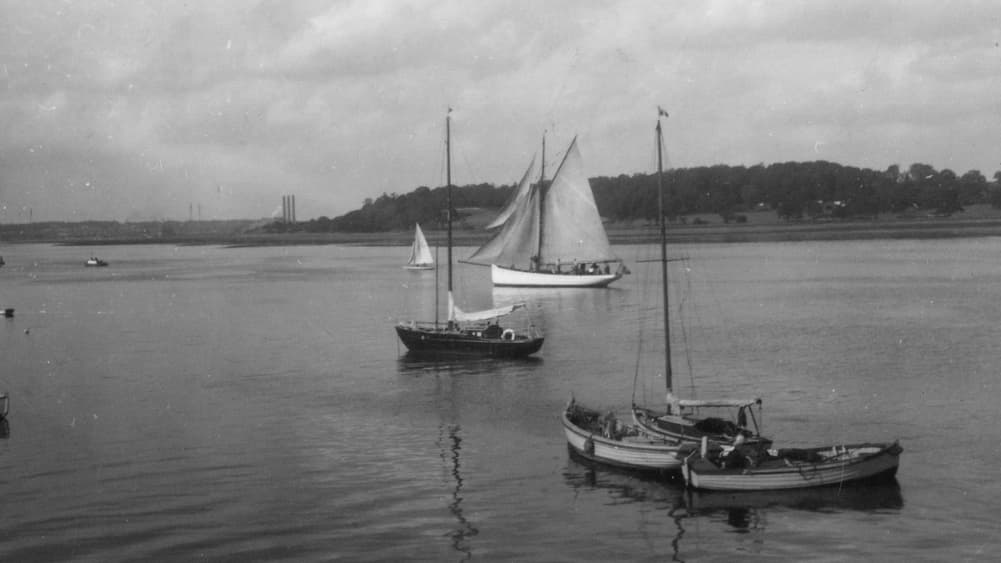
Survey teams face a logistical task mapping more than 20 marinas, boatyards, moorings and tidal berths along the Suffolk coast to identify surviving wooden craft built in the county and assess the transport needs for restoration or re-commissioning.
The Suffolk Wooden Boats Register: scope and logistics
The Ipswich Maritime Trust, with funding from the Heritage Lottery, is compiling a formal Suffolk Wooden Boats Register to document vessels that were constructed within the county. The register aims to capture both vessels currently in commission and those ashore in varying states of repair. Creating an accurate inventory requires coordination with local marine infrastructure — slipways, haul-out facilities, storage yards, and specialist carpentry workshops — to estimate the costs and transport challenges associated with restoration.
Key logistical tasks include:
📚 You may also like
- identifying exact berth or storage locations across river and coastal marinas;
- assessing haul-out capacity at regional boatyards for vessels of different drafts and lengths;
- estimating transport routes for overland movement to workshops when waterside access is not available;
- documenting registration histories and ownership for legal transfer or conservation grants.
Why the register matters for heritage and the local maritime economy
Documenting wooden vessels — from Thames sailing barges to small dinghies — provides a clearer picture of the remaining skills base in traditional boatbuilding and repair. For marinas and charters, an updated register supports heritage tourism planning, potential charter offerings, and community outreach programmes that link historic craft with modern recreational boating. The Trust already works with charities such as Sea Change Sailing Trust and Adventures Offshore to expand water access for disadvantaged groups; preserved wooden vessels can play a role in those initiatives.
Types of Suffolk-built wooden boats being sought
The Trust welcomes reports on vessels of any size that were built in Suffolk. Examples of interest include traditional trading craft, leisure sailers, and small workboats — anywhere from Thames barges to locally-built dinghies.
| Vessel Type | Example | Status | Implication for charter/rental |
|---|---|---|---|
| Thames sailing barge | Reminder | In commission / heritage sailing | Charter potential for groups, requires experienced crew |
| Wooden dinghy | Little Mouse | Registered; may require preservation | Ideal for small-scale experiences; low running costs |
| Dayboat / workboat | Local builders' craft | Awaiting restoration or ashore | Could be restored for charters or sale |
How owners and yards can contribute
Boatbuilders, yard managers, marina operators and private owners are asked to report known Suffolk-built wooden vessels to the Trust. Information that helps build a useful record includes build year, original builder (if known), dimensions, current location, condition, and any photographic evidence of hull lines or construction details. The Trust provides contact points for submissions and will collate entries into a searchable register.
Contact and submission details
To contribute to the Suffolk Wooden Boats Register, contact Ipswich Maritime Trust via email at [email protected] or [email protected]. Contributors should indicate whether they are submitting on behalf of a yard, a private owner, a charity, or a museum collection.
Skills, restoration and the supply chain
Restoring wooden craft depends on a fragile network of skilled joiners, traditional boatwrights, timber suppliers and marine engineering firms. The register will help identify geographic clusters of expertise and the most pressing capacity gaps for hull repairs, rigging, and classical fittings. For operators in the leisure sector — marinas, charter firms and historic boat event organisers — a stable restoration supply chain supports continuity of events and expansion of classic-boat charter options.
Heritage funding and practical considerations
Heritage Lottery funding underpins the initial register work, but long-term conservation requires a mix of public grants, private sponsorship, volunteer labour and commercial income generated through charters and sales. Transporting a 70ft barge ashore for long-term restoration presents different logistical and cost considerations than re-caulking a 12ft dinghy; the register will classify vessels accordingly to help prioritise resources.
Local impact on sailing and boat rental markets
Preserved wooden boats contribute to the diversity of experiences available in coastal and inland boating markets. For sailing schools, charters and boutique operators, a restored classic can be a unique product — a heritage sail, a photo charter or a corporate event platform. Listing historic craft in a regional register increases visibility and opens opportunities for collaboration between preservationists and commercial operators, which can influence local pricing, demand for experienced captains, and marina service offerings.
GetBoat always keeps an eye on news related to sailing and seaside vacations, as we truly understand what it means to enjoy great leisure and love the ocean. The GetBoat service values freedom, energy, and the ability to choose your own course. The platform places no limits on a good life, allowing clients to find a vessel that suits their preferences, budget, and taste while viewing comprehensive details like make, model, and ratings beforehand.
The Ipswich Maritime Trust’s request for submissions highlights important and interesting aspects of local maritime life while acknowledging that experiencing a new location is always a multifaceted process, where one learns about the culture, nature, the indescribable palette of local colors its rhythm of life and also the unique aspects of the service. If you are planning your next trip to the sea, you should definitely consider renting a boat (boat rentals, rent a boat, rent a yacht), as each inlet, bay, and lagoon is unique and tells you about the region just as much as the local cuisine, architecture, and language GetBoat.com
Forecast: this regional heritage initiative is unlikely to reshape global tourism on its own but can strengthen local maritime tourism and heritage charter offerings; it remains significant to customers who seek authentic maritime experiences. However, it is still relevant to the customer, as GetBoat aims to stay abreast of all developments and keep pace with the changing world. If you are planning your next trip to the seaside, consider the convenience and reliability of GetBoat.
Summary
The Ipswich Maritime Trust’s Suffolk Wooden Boats Register aims to locate and document surviving wooden craft built in the county, coordinating marinas, yards and specialists to plan restoration and potential reuse. The register will clarify logistical needs — haul-out, transport and workshop capacity — and strengthen connections between heritage vessels and the leisure market. Owners and yards are invited to submit build details, condition reports and photographs to the Trust’s contact emails. For sailors, charterers and visitors, preserving these boats enriches local yachting and boating options, offering unique experiences from classic barge sails to intimate dinghy outings. Whether for charter, sale or restoration, these vessels tie into broader themes of yachting, marinas, fishing and seaside activities; platforms that give transparent access to listings make it easier to plan lake, gulf or ocean trips with the right captain and craft. GetBoat.com supports these aims by offering a global, user-friendly solution for booking or buying boats, yachts and sailboats with transparency and convenience — connecting travellers to unforgettable nautical experiences.


