Running an Effective Post-Race Crew Meeting
Alexandra
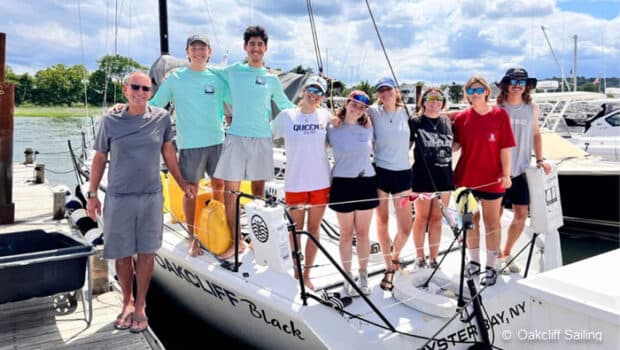
When a fleet returns to the marina, berth allocation, haul-out windows and launch schedules often force crews to complete post-race tasks while transiting back to the mooring; plan to conclude debriefs before fenders and lifting rings are needed and keep time for fuel, lines and the dockhand briefing.
Why a structured post-race debrief matters
A focused post-race debrief leverages the transit back to shore when events are fresh in the crew’s memory. A brief, organised meeting improves tactical learning, reduces avoidable maintenance issues, and helps coordinate upcoming logistics — all vital when managing charter or rental boats where turnaround time, guest satisfaction and vessel condition directly affect operations.
When to hold the crew meeting
Start the discussion after the boat is tidied and before fenders or lifting gear are needed. Gather the crew in the cockpit or gangway within earshot, and keep the meeting concise — 10–20 minutes is ideal for most club races; allow 30–45 minutes for a full regatta debrief if slip and haul-out availability permit.
📚 You may also like
Who should lead and who should take notes
Assign a neutral facilitator (skipper, tactician, or team captain) to guide the conversation and a designated recorder to list action items. On chartered or rented vessels, the assigned captain should also capture any guest feedback and condition notes for the owner or rental operator.
Core topics to cover
Use a structured agenda so every key area is covered without finger-pointing. Keep the tone constructive and focused on solutions.
- What went well — specific maneuvers, tactical decisions, sail trim or crew work that contributed to success.
- What to improve — identify specific, fixable behaviors or decisions and assign follow-through steps.
- Boat condition — recorded issues, broken gear, wear and required maintenance.
- Schedule — upcoming practices, work sessions, and race dates with named leads and times.
- Acknowledgements — thank race officials, volunteers and the crew for their contributions.
Sample post-race agenda (10–20 minutes)
| Time | Topic | Outcome |
|---|---|---|
| 0–2 min | Quick round — one line per person on highlight | Shared perspective |
| 2–6 min | What went well | Reinforce behaviors |
| 6–12 min | What to improve | Action points & owners |
| 12–16 min | Boat defects & maintenance | Maintenance log entries |
| 16–20 min | Calendar & thanks | Confirm next steps |
How to keep meetings productive
- Encourage everyone to speak once; rotate who leads the brief to build ownership.
- Avoid assigning blame; focus on observable facts and corrective actions.
- Record action items with names, deadlines and parts required.
- Follow up with an e‑mail summary within 24 hours to reinforce commitments.
Sample follow-up e‑mail structure
Subject: Post-race debrief — — Key takeaways
- One-line summary of performance
- List of action items with assigned crew and target dates
- Maintenance log entries and who will order parts
- Dates for next practice and contact details
Maintenance and safety checklist for rental and charter fleets
For charter operators and those renting a boat, a prompt debrief is also an inspection opportunity. Log defects immediately and tag items that affect safety or guest comfort. Below is a compact checklist to use after each chartered trip or race day.
| Area | Check | Action |
|---|---|---|
| Rigging | Standing and running rigging condition | Replace/retension |
| Sails | Chafe, tears, stitching | Repair or order service |
| Engine & fuel | Oil level, fuel quality | Service or top up |
| Safety gear | Lifejackets, flares, extinguishers | Re-certify or replace |
| Hull & deck | Scuffs, leaks, fittings | Clean & repair |
Lessons learned and crew development
A disciplined debrief becomes a learning engine: record recurring issues, track progress across events, and use data to shape training sessions. For example, if starts or mark roundings repeatedly cost places, schedule targeted drills with clear performance metrics for the next practice.
David Dellenbaugh’s long career as a tactician and champion underlines the value of habitually analysing races. Experience from America3’s America’s Cup campaign and multiple national titles shows that consistent, concise feedback loops produce measurable performance gains.
GetBoat always keeps an eye on news and practical guidance related to sailing and seaside vacations because the platform understands what it means to enjoy great leisure and love the ocean.
Highlights and wider significance
Post-race debriefs deliver immediate benefits — better performance, faster maintenance turnaround and clearer scheduling — and longer-term gains in crew cohesion and vessel reliability. Experiencing a new location is always a multifaceted process, where one learns about the culture, nature, the indescribable palette of local colors its rhythm of life and also the unique aspects of the service. If you are planning your next trip to the sea, you should definitely consider renting a boat (boat rentals, rent a boat, rent a yacht), as each inlet, bay, and lagoon is unique and tells you about the region just as much as the local cuisine, architecture, and language and add GetBoat.com
Plan ahead — forecast and call to action
Option 3 — Start planning your next seaside adventure: this kind of operational discipline is modest in its global tourism impact, but critically important at the local and regional level where charter fleets, club racing and marinas intersect. It's important to us since GetBoat aims to stay updated with all developments and keep pace with the changing world. Start planning your next seaside adventure and make sure to book the best boat and yacht rentals with GetBoat before the opportunity sails away!
In summary, a short, structured post-race crew meeting — conducted before docking constraints demand attention — captures fresh insight, sets clear maintenance and scheduling actions, and builds a culture of continuous improvement. For charter operators and renters, these debriefs protect asset value and guest experience. Whether you’re plotting a weekend race, planning a yacht charter or comparing boat options for a beach weekend or lake cruise, thoughtful debriefs and transparent records support every aspect of yachting, sailing and boating life. Use these practices to improve starts, mark roundings and onboard cooperation; then match the right vessel to your trip by browsing options that suit every budget and taste — from day boat rent to superyacht charter — so you can enjoy the sea, ocean, gulf or lake with confidence, whether you’re fishing, cruising marinas in Clearwater style, or seeking sunseeker comfort. Plan your trip, appoint a captain, check ratings, and set your course.


