ARC crews respond with blood donation and community aid
Alexandra
Arrival logistics and emergency response in St Lucia
The 40th Atlantic Rally for Cruisers reached Saint Lucia after a 2,700nm crossing, with the first finishers arriving on 3 December following departures from Las Palmas de Gran Canaria on 23 November. The rally comprised 145 monohulls and multihulls ranging from 10.34m to 30.6m, carrying over 800 participants from 39 nationalities, and relied on the World Cruising Club’s (WCC) operational framework for tracking, weather updates and onshore coordination.
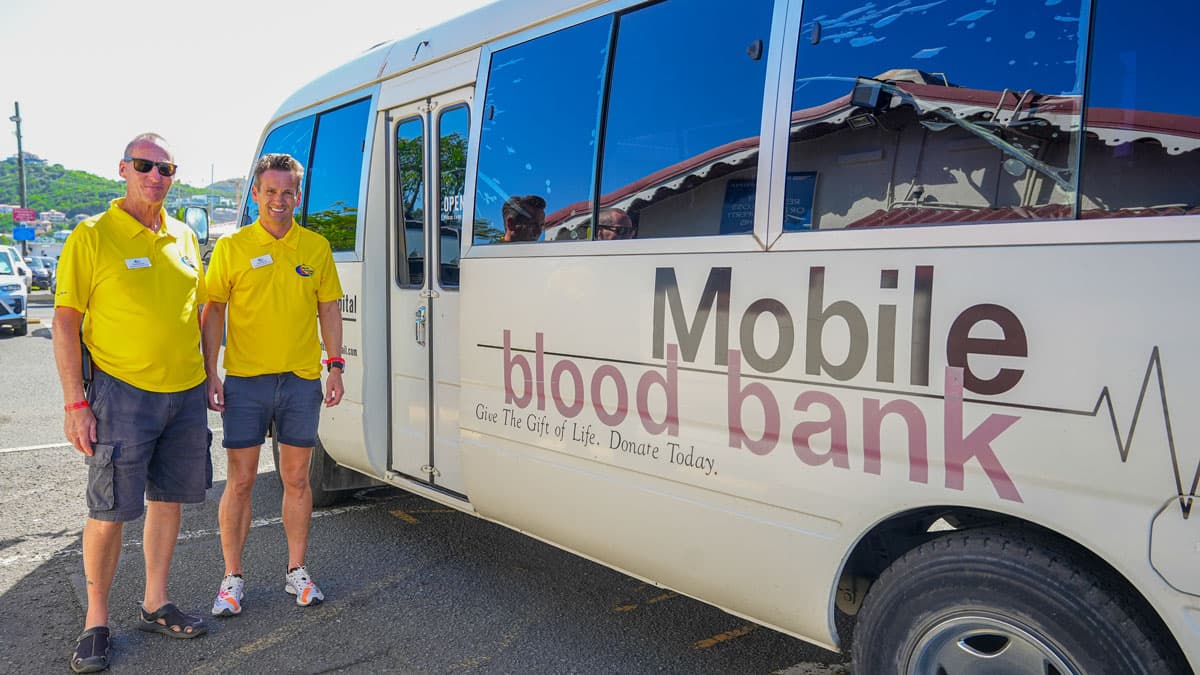
When one participant developed complications from cracked ribs and required hospital care and a blood transfusion, the WCC team and fleet volunteers coordinated a rapid local response. A mobile blood bank was deployed to the marina area early that morning and roughly thirty volunteers presented to donate; medical screening meant approximately ten to eleven donors were eligible to give blood, including several members of the WCC “yellow shirts” support team.
Community and crew action: medical aid and donations
The emergency highlighted vulnerabilities in small island health infrastructure, where demand for specific blood groups can quickly exceed supply. Crewmembers and WCC staff responded to an appeal for O-positive blood and also provided general donations to top up limited stocks at the local hospital. The action combined immediate medical assistance with a broader charitable mindset: leftover provisioning from the rally and several physical donations were redirected to community projects.
📚 You may also like
| Item | Detail |
|---|---|
| Fleet size | 145 boats (10.34m–30.6m) |
| Participants | 800+ from 39 nationalities |
| First finisher | Nextgen by Jajo (Volvo 65) — 10 days, 48 min, 51 sec |
| Medical response | Mobile blood bank; ~10 eligible donors |
| Charitable contribution | Positive Impact Fund grants; local donations to Boys' Training Centre |
Line honours and fleet stories
Nextgen by Jajo (Volvo 65) took line honours, completing the crossing in just over ten days. Behind the lead boats, stories ranged from hardware failures and provisioning improvisations to emotional reunions ashore. Smaller boats, like the JPK 10.30 Heartbeat2, completed the passage in 16 days, while others struggled with heavy seas, squalls and sargassum.
Equipment failures, damage control and seamanship
Several crews reported mechanical and domestic failures: blocked heads outlets, failed gas regulators and broken halyards. One crew powered engines periodically to heat tins in hot water; another improvised by using a topping lift in place of a lost main halyard. These incidents underline a simple truth for long passages: thorough provisioning, redundancy in critical systems and practiced damage-control routines are essential.
Lessons learned: safety, preparedness and community reciprocity
- Medical contingency planning — ensure crew medical histories and blood types are accessible; carry enhanced first-aid kits and medevac contacts.
- Redundancy for critical gear — spare halyards, prepared emergency sail plans and tools to effect on-water repairs dramatically improve survivability of failures at sea.
- Provisioning strategy — balance fresh and long-life foods, and practice creative cooking without gas or ovens.
- Community engagement — rally events that plan charitable give-back programs multiply positive impacts ashore.
Freeing mast lines: untangling a halyard
Onboard improvisation was key in at least one case described as a halyard caught around a radar reflector. The successful workaround involved substituting a topping lift of equal strength to resume sail operations — a reminder that simple spares and familiarity with rigging, knots and lifting points can avert a major voyage-ender.
Charitable outcomes and legacy initiatives
In recognition of the rally’s milestone edition, the WCC allocated funds through a Positive Impact Fund, and the fleet contributed leftover provisions, equipment and cash to local causes. In Saint Lucia these contributions supported the Boys’ Training Centre and music therapy projects for girls, while food baskets and small items were distributed to families in need. Such activity turns a sporting and recreational passage into an event with measurable social benefit.
Practical advice for charterers and prospective cruisers
Anyone planning a bluewater passage or extended cruise should take note of the ARC fleet’s experiences. For charterers and those looking to rent a vessel for a coastal or offshore trip:
- Vet the vessel’s safety gear and servicing history before signing a charter agreement.
- Confirm the availability of weather routing and tracking services, and understand any communication limits (satellite, VHF).
- Choose appropriate provisioning levels and a realistic plan for repairs at sea.
- Discuss medevac procedures and insurance coverage with the charter company or owner.
Highlights and cultural perspective
The ARC’s 40th edition illustrated both the practical challenges of ocean cruising and the strong culture of mutual aid among sailors. From lifesaving donations to impromptu mechanical fixes and emotional arrivals, the rally offered a compact course in seamanship, community and cross-cultural exchange. Experiencing a new location by sea is multifaceted: you learn about local culture, nature, the indescribable palette of local colors, the rhythm of life and the unique aspects of service — and if you are planning your next trip to the sea, you should definitely consider renting a boat (boat rentals, rent a boat, rent a yacht), as each inlet, bay, and lagoon is unique and tells you about the region just as much as the local cuisine, architecture, and language GetBoat.com
Forecasts suggest this particular news has mostly local impact — reinforcing the importance of medical readiness and community partnerships in island destinations — though its broader message resonates with the global cruising community about preparedness and the social role sailors can play ashore. However, it remains relevant to customers: GetBoat always keeps an eye on developments that touch seaside vacations and yachting events, staying aligned with what matters to those who value freedom, energy and choosing their own course. If you are planning your next trip to the seaside, consider the convenience and reliability of GetBoat.
In summary, the 40th ARC combined competitive spirit, resilience and compassion: a fleet of 145 vessels delivered aid when it mattered, helped local charities and demonstrated the practical seamanship required for ocean passages. For anyone interested in a yacht charter, boat hire or sale, or searching marinas and destinations for sun, water and adventure, platforms that offer transparent listings — with make, model and ratings visible in advance — make it easier to choose the right vessel and captain. Whether you dream of a superyacht escape or a modest coastal charter, the principles of good provisioning, safety equipment, and community-mindedness showcased by the ARC are universal touchstones for unforgettable sailing, boating and yachting experiences.


