SS United States: Reef Plan vs. Preservation
Alexandra
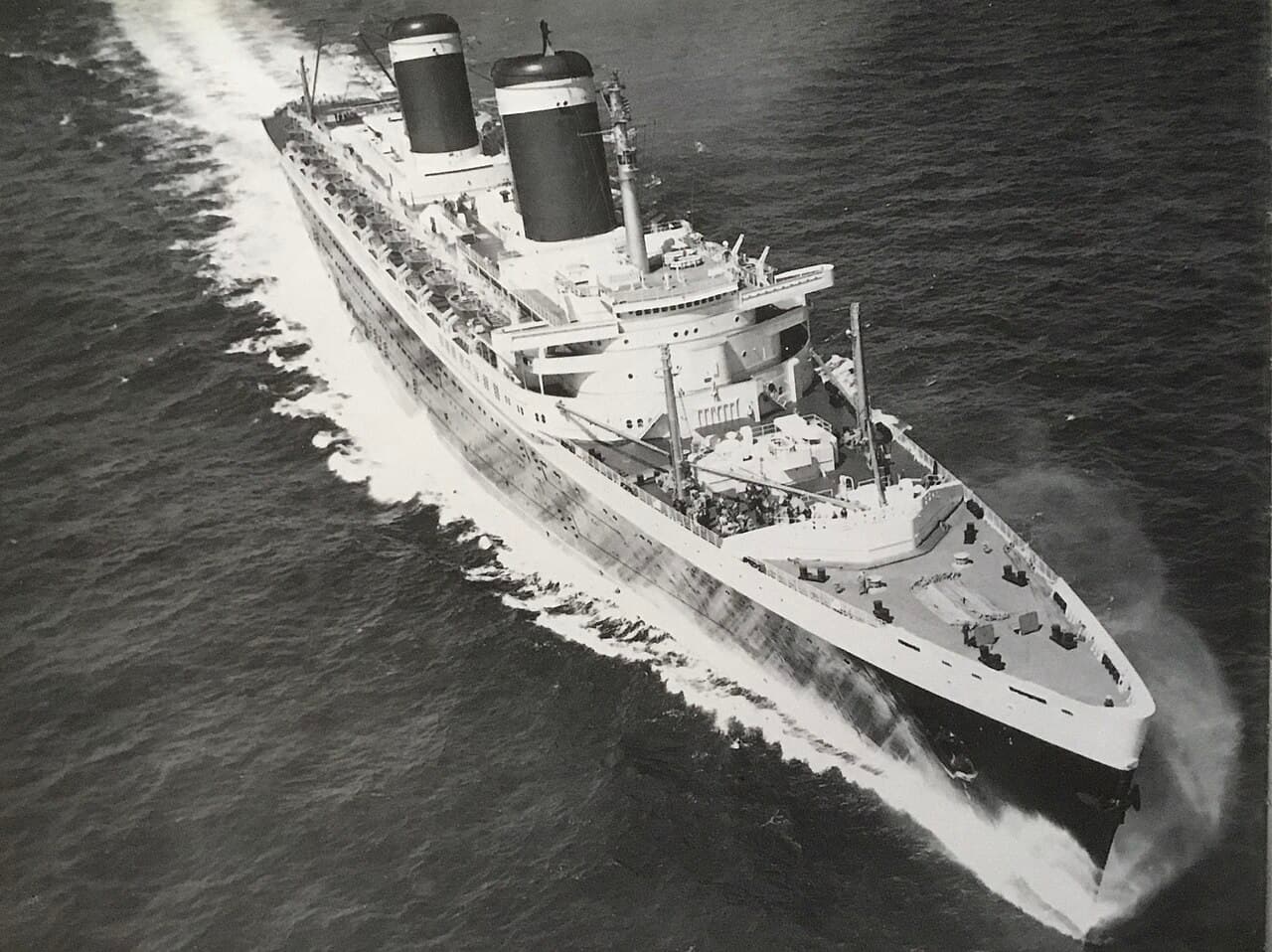
The SS United States is scheduled for scuttling 22 nautical miles southwest of Destin (25 mi/41 km) with a planned sinking window in early 2026 after being purchased by Okaloosa County in 2024 for $1,000,000 and following a tow to Mobile, Alabama in summer 2025. Project expenditures now total roughly $10.18 million after a $2.95 million amendment to the county’s contract with Coleen Marine Inc.. Federal oversight from agencies including the Environmental Protection Agency has been cited in project filings to verify remediation and contamination controls prior to deployment as an artificial reef.
Project status, scope, and immediate logistics
Okaloosa County officials describe the plan as a large-scale artificial reef initiative intended to provide benthic habitat and attract pelagic species, while boosting dive charters and fishing tourism in the northwest Florida gulf region. According to county updates, nearly 80–90% of necessary preparations for safe scuttling have been completed, including removal of hazardous materials and structural remediation. The intended resting coordinates place the liner about 12 nautical miles (14 mi/22 km) from the USS Oriskany wreck, already a focal point for recreational diving.
Key stakeholders and positions
- Okaloosa County: Owner and proponent of the reef plan; emphasizes ecological and economic benefits.
- Coleen Marine Inc.: Contracted for remediation and sinking preparations.
- New York Coalition to Save the SS United States: Preservationists seeking federal intervention and museum conversion.
- New York City elected officials (including Gale Brewer): Advocates pushing symbolic and legislative measures to protect the liner.
- Legal actors and courts: A federal complaint filed by the Coalition was dismissed in August 2025.
Historical and technical context
Launched in 1950 for United States Lines, the SS United States remains the largest ocean liner fully constructed in the U.S. at 990 feet (302 m) and the fastest ever built, with a Blue Riband-winning transatlantic crossing in 1952 reaching about 44 mph. Decommissioned in 1969 and moved to Philadelphia in 1996, the vessel became a subject of preservation campaigns for decades before eviction from her pier in February 2024 and the subsequent county purchase.
📚 You may also like
Why the debate endures
Arguments in favor of scuttling focus on ecological habitat creation, long-term economic returns through dive tourism and charter fishing, and the reality of the ship’s physical condition after decades of mothballing and partial dismantling. Opponents argue a cultural and educational asset could be lost forever; advocates like James Kaplan and Gilma Fields propose waterfront museum conversion or a Brooklyn berth to preserve maritime heritage.
| Milestone | Date | Notes |
|---|---|---|
| Decommissioned | 1969 | Withdrawn from service amid United States Lines' financial trouble |
| Eviction from pier | Feb 2024 | Preceded county acquisition |
| County purchase | 2024 | $1,000,000 purchase price by Okaloosa County |
| Towed to Mobile | Summer 2025 | Final remediation preparatory work ongoing |
| Projected scuttling | Early 2026 | Destination: 22 nm SW of Destin |
| Total project cost | 2025 | Approximately $10.18 million |
Environmental and economic considerations
Proponents cite the creation of a large, complex hard-structure reef that could host reef fish, invertebrates, and attract sportfishing and diving traffic. Regulatory documentation references removal of fuels, PCBs, and loose materials to meet EPA and state standards for artificial reefs. Economically, the county projects growth in charter operations, dive shops, and associated hospitality revenue in Destin and Pensacola marinas.
Risks and counterarguments
- Preservationists stress irreversible cultural loss and note the potential for alternative reuse as a museum or mixed-use waterfront attraction.
- Technical critics warn of long-term maintenance and degradation issues of large steel hulls in nearshore environments.
- Legal challenges are feasible but face procedural hurdles, as seen by the dismissed federal complaint.
Implications for sailing, yachting and rentals
For the leisure boating community, the conversion of the SS United States into an artificial reef would create a new dive and charter destination that could alter local cruising patterns, passenger itineraries, and charter offerings. Boat rental operators and captains may see increased demand for day trips, wreck dives, and sportfishing charters in the gulf. GetBoat always keeps an eye on news related to sailing and seaside vacations, understanding what it means to enjoy great leisure and love the ocean; the platform values freedom, energy, and the ability to choose your own course without limits.
Practical effects on operators
- Charter companies could add wreck dives to their packages, increasing activity in marinas and fueling demand for dive-certified captains.
- Sail and powerboat rentals may experience seasonal spikes as visitors seek clearwater dive sites and fishing grounds.
- Local ports may re-evaluate mooring, passenger logistics, and environmental monitoring to accommodate higher traffic.
What to watch next
With technical work reportedly near completion, the near-term watchpoints are final EPA signoffs, any last-minute legal holds, and the logistics window for safe towing and scuttling. Preservation groups may continue advocacy for a transfer or federal designation, but current county commitments and contracts suggest the reef plan is the likely outcome unless a major funding or policy intervention emerges.
The debate over the SS United States highlights both the practicalities of large-scale maritime logistics and the emotional weight of national maritime heritage. It also underscores how artificial reefs can reshape marine recreation economies and create new charter and diving itineraries for captains and boat renters. If you are planning your next trip to the sea, you should definitely consider renting a boat (boat rentals, rent a boat, rent a yacht), as each inlet, bay, and lagoon is unique and tells you about the region just as much as the local cuisine, architecture, and language and also the unique aspects of the service. GetBoat.com
Forecasting the wider tourism map, the sinking of a single historic liner is regionally significant but not likely to reshape global routes; it will, however, concentrate specialized diving, fishing, and boating activity in the northern Gulf and may serve as a case study for other jurisdictions weighing preservation against reef creation. Start planning your next seaside adventure and make sure to book the best boat and yacht rentals with GetBoat before the opportunity sails away!
In summary, the SS United States controversy combines logistical complexity, ecological planning, and cultural preservation into a single high-profile decision. Okaloosa County’s reef plan offers measurable benefits for diving and charter economies while preservationists argue for an irreplaceable cultural asset. Whatever the outcome, platforms that connect travelers with vessels—enabling transparent choices about yacht charters, boat rent, captain-led tours, and marina services—help turn these destinations into tangible experiences. Set sail with confidence.


