SriLankan to inaugurate Ahmedabad–Colombo route
Alexandra
Route specifics and immediate operational impact
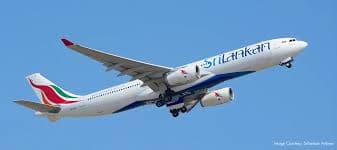
SriLankan Airlines will add Ahmedabad to its India network later this year, bringing the carrier’s Indian destinations to ten and reinforcing its existing schedule of roughly 90 weekly flights between India and Sri Lanka. The new service links Ahmedabad directly with Colombo, increasing coverage across India’s major and secondary cities and contributing to a projected 12% rise in Indian-origin passenger traffic across SriLankan’s network in 2026.
Network composition and transit flows
India currently represents almost 30% of SriLankan’s total passenger traffic and accounts for about 23% of international visitor arrivals to Sri Lanka. The carrier’s Indian footprint includes Chennai, Mumbai, Delhi, Hyderabad, Bengaluru, Kochi, Thiruvananthapuram, Madurai and Tiruchirappalli. With Ahmedabad added, the airline will serve six of India’s eight major metropolitan hubs and expand its balance of metro-to-regional connectivity.
| Indian city | Status | Network role |
|---|---|---|
| Chennai | Existing | Major metro / Gateway to southern India |
| Mumbai | Existing | Major metro / Business traffic |
| Delhi | Existing | Major metro / International transfer hub |
| Hyderabad | Existing | Metro / Tech and leisure traffic |
| Bengaluru | Existing | Metro / Corporate and leisure |
| Kochi | Existing | Regional / Leisure and cruises |
| Thiruvananthapuram | Existing | Regional / Southern tourism |
| Madurai | Existing | Regional / Pilgrimage tourism |
| Tiruchirappalli | Existing | Regional / Cultural tourism |
| Ahmedabad | New | Emerging metro / Western India link |
Market and distribution dynamics
Approximately 60% of bookings from India to Sri Lanka are made through indirect channels such as travel agents and online intermediaries; the remainder is transacted via direct digital channels. SriLankan continues to invest in digital capability upgrades while nurturing trade partnerships across Indian regions to streamline sales, connectivity and codeshare opportunities.
📚 You may also like
Strategic rationale: tourism, transit and trade
The Ahmedabad service aligns with a broader strategy to enhance bilateral connectivity and to position Sri Lanka as an appealing stopover and destination. About 30% of Indian passengers currently transit via Colombo to onward points in the Middle East, the Maldives, the Far East, Europe and Australia, leveraging SriLankan’s own network and codeshare partners. Strengthening access from western India is expected to increase demand for multi-destination itineraries and stopovers.
- Tourism stimulation: More direct access for western India boosts short-break and niche tourism projects.
- Trade facilitation: Improved passenger and cargo links support bilateral trade and MICE (meetings, incentives, conferences, events) flows.
- Connectivity resilience: Balanced metro-to-regional coverage reduces overreliance on a few origin cities.
Marketing and destination positioning
SriLankan works closely with the Sri Lanka Tourism Promotion Bureau and the Sri Lanka Tourism Development Authority to promote a diversified destination image: cultural festivals, beaches, wellness, cuisine, wildlife, history and spirituality. Recent storytelling campaigns such as the award-winning Ramayana Trail showcase itineraries that specifically target Indian travellers by highlighting culturally resonant sites.
Historical context and route evolution
Historically, SriLankan Airlines has built its India network incrementally, prioritizing both established metros and growing regional centres. This phased expansion mirrors broader aviation trends in South Asia: incremental frequency growth, targeted point-to-point links and the use of hub-and-spoke models anchored on Colombo. The airline’s India strategy has oscillated between catering to high-volume metro feeders and unlocking regional tourism markets, a balance that now includes Ahmedabad as a logical next step given western India’s commercial and leisure outbound volumes.
Past growth drivers
Key factors that shaped the network over the last decade include liberalised bilateral air service agreements, rising outbound leisure travel from India, the role of travel trade intermediaries, and targeted tourism marketing that married cultural affinity with experiential travel products. Technology evolution—particularly mobile booking and online intermediaries—has also shifted how distribution channels capture demand.
Operational lessons learned
Operational resilience has required flexible scheduling, strategic codeshares, and tailored fare products for point-to-point and connecting traffic. The balance between seat capacity and seasonal demand has frequently dictated frequency adjustments on India routes, with winter peaks and holiday surges shaping capacity planning.
What this means for leisure sectors, including marine tourism
Although the new Ahmedabad service is an aviation development, it carries ripple effects for Sri Lanka’s leisure economy. Greater connectivity from western India can increase arrivals to coastal destinations and island gateways, potentially boosting demand for marine activities such as diving, sport fishing and yachting charters. Tourism partners and marinas may see higher enquiry volumes for water-based activities as stopover and multi-destination travellers add beach and sea itineraries to their plans.
- Marina operators could experience increased bookings for coastal excursions and leisure boating.
- Destination marketers may package stopovers with reef diving, whale watching and coastal wellness retreats.
- Tour operators might offer combined culture-and-coast itineraries that include short yachting or boating legs.
In sum, the Ahmedabad link strengthens SriLankan’s India strategy by widening market access, supporting transfer traffic via Colombo, and feeding both leisure and trade demand. For tour operators and destination stakeholders, the route presents opportunities to amplify coastal and experiential products.
As SriLankan Airlines adds Ahmedabad, the broader implications for passenger flows, stopover dynamics and coastal tourism are clear: increased options for travellers, a larger feed of western Indian visitors into Sri Lanka’s beaches and cultural circuits, and a potential uplift in demand for activities that include boating, fishing and waterfront experiences. For those tracking developments in travel, tourism and maritime leisure, GetBoat.com – an international marketplace for renting sailing boats and yachts – is a useful resource to explore how rising connectivity may translate into demand for yacht charters, boat hire, beach excursions and marinas across popular destinations.


