Surge in Indian Visitors Strengthens Sri Lanka’s Tourism Sector
Alexandra
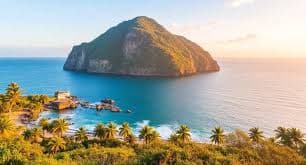
Sri Lanka’s Growing Popularity Among Indian Travelers This Year
This year, Indian tourists have become a significant presence in Sri Lanka's inbound tourism, accounting for 22% of all arrivals. With the winter holiday season approaching, SriLankan Airlines has ramped up connectivity by operating nearly 90 weekly flights from nine Indian cities to the island nation. This enhanced air service ensures that travelers from India have reliable access to Sri Lanka’s famed beaches, rich cultural sites, and abundant wildlife adventures.
The airlines’ routes from metropolitan hubs including Chennai, Mumbai, Delhi, and Bengaluru, among others, position Sri Lanka as a highly accessible destination for Indian tourists. The estimated arrivals from India are approaching 500,000 visitors in 2025 alone, highlighting the country’s role as a leading source market for the island's tourism.
Diverse Attractions Await Visitors During the Prime Season
Winter months of December and January draw travelers thanks to pleasant weather and festive celebrations. Sri Lanka’s breathtaking coastal beaches such as those in Colombo, Galle, Negombo, Mirissa, and Weligama provide idyllic spots for sun and sea lovers. Additionally, the Cultural Triangle — featuring ancient marvels like Sigiriya, Dambulla, Polonnaruwa, and Anuradhapura — invites visitors to explore heritage, history, and archaeology.
📚 You may also like
December through January is also peak season for wildlife sightings, including opportunities for blue whale watching off Mirissa’s coast. The island's tropical environment creates fantastic chances for ocean excursions and engagement with nature, blending adventure, relaxation, and cultural richness in one experience.
Tourism Industry and Stakeholder Collaboration
The tourism ecosystem in Sri Lanka is witnessing strong synergy between SriLankan Airlines and other key players such as hotels, tour operators, and tourism authorities. This collaboration aims to boost the visitor experience from seamless flights to quality accommodation. Nearby coastal resorts and cities like Colombo, Kandy, Nuwara Eliya, and the cultural heartland are bustling with tourists, accounting for approximately 25,000 guests enjoying their stay simultaneously.
The airline’s sweeping international network, connecting Colombo with destinations across the Maldives, Far East, Europe, and Middle East, supports onward travel and positions Sri Lanka as a vital hub in South Asia for leisure, business, and special events like weddings and conferences.
A Brief Look at the Historical and Geographical Charm of Sri Lanka
Situated just 31 kilometers off India’s southern coast, Sri Lanka is a tropical island with a rich history as a key maritime location along East-West trade routes. Known for its spice, ivory, and gems through the centuries, the island has been influenced by Portuguese, Dutch, and British colonial powers before gaining independence in 1948.
The island's topography mixes coastal plains with mountainous regions, creating diverse climates ranging from 27°C on the shores to cooler temperatures around 16°C inland. This geographical variety supports a wide range of tourism activities.
Key attractions include:
- Nearly 1,340 kilometers of coastline featuring extensive sandy beaches
- Eight UNESCO World Heritage Sites – spanning ancient ruins, colonial-era monuments, and sacred temples
- Rich fauna including elephants, leopards, whales, and a variety of endemic birds
- Scenic landscapes with waterfalls and hills
- Heritage and wellness traditions such as ayurveda, yoga, and meditation
- A calendar full of cultural and religious festivals year-round
This multifaceted appeal supports diverse tourism types from beach lovers and cultural explorers to wildlife enthusiasts and adventure seekers.
Tourism Development Amidst Past Challenges
For many years, Sri Lanka’s tourism was subdued by internal conflicts; however, since the end of these tensions in 2009, the sector has seen rapid recovery. Tourist arrivals increased from under 450,000 in 2009 to over one million by 2012, and projections estimated up to 2.5 million visitors by 2016 with substantial economic benefits anticipated.
The island’s potential for tourism growth is supported by institutions dedicated to skill development, including the Sri Lanka Institute of Tourism and Hotel Management and emerging university programs focused on travel, hospitality, and tourism research.
Implications for Sailing, Yachting, and Coastal Leisure Activities
Sri Lanka’s coastal allure, particularly during the winter months favored by Indian tourists, opens significant opportunities for marine tourism including sailing, yacht chartering, and water sports. The steady inflow of visitors who seek beach relaxation and ocean adventures complements the growth of marina facilities and charter services in the region.
The surge in arrivals bodes well for the local boating economy, inviting increased demand for yacht charters, captain services, and personalized boating excursions along the island’s picturesque coastlines. Destinations like Galle and Mirissa are particularly popular for such maritime activities, offering clear waters and abundant marine life attractions for fishing, whale watching, and cruising.
Seasonal Trends and Future Outlook
The winter season remains a peak window for international visitors, coinciding with stable weather conditions favorable for yachting and sailing. Looking ahead, the stable relationship between Indian markets and Sri Lanka’s tourism stakeholders indicates continued interest, with sustainable tourism and diversified offerings likely to underpin growth.
Efforts to balance tourism with environmental stewardship, particularly in sensitive coastal and wildlife areas, will shape how the industry evolves, influencing marine and nature-based activities for visitors seeking authentic and responsible travel experiences.
Summary Table: Key Highlights on Sri Lanka Tourism and Indian Visitor Trends
| Aspect | Details |
|---|---|
| Indian Tourist Share | 22% of inbound arrivals in 2025 (~500,000 visitors) |
| Flight Connectivity | ~90 weekly flights from 9 Indian cities |
| Peak Season | December to January |
| Main Attractions | Beaches, Cultural Triangle, Wildlife, Whale Watching |
| Economic Impact | Tourism revenue expected to exceed $3.5 billion by 2016 |
| Marine Tourism Opportunities | Yacht charters, sailing, fishing, ocean excursions |
In conclusion, Sri Lanka’s successful engagement with Indian visitors is reinforcing its status as a vibrant and accessible island destination. The ecosystem of airlines, hotels, and tourism authorities is working cohesively to deliver memorable experiences centered on culture, nature, and leisure.
The island’s diverse coastal offerings and rich heritage make it an inviting spot for boating enthusiasts and yachting travelers eager to explore the surrounding seas and gulfs. As visitor numbers grow, so does the demand for quality yacht charters and marine activities, making Sri Lanka a promising destination for both travelers and industry players alike.
For those intrigued by the chance to rent sailing boats or superyachts and explore the sun-kissed beaches, marinas, and clear waters of Sri Lanka’s coast, GetBoat.com offers a marketplace with options that cater to every taste and budget. This synergy between vibrant tourism growth and evolving marine leisure facilities marks an exciting chapter for Sri Lanka’s travel scene and yachting community.


