Inside the sportsbook: Art Manteris’ Las Vegas journey
Alexandra
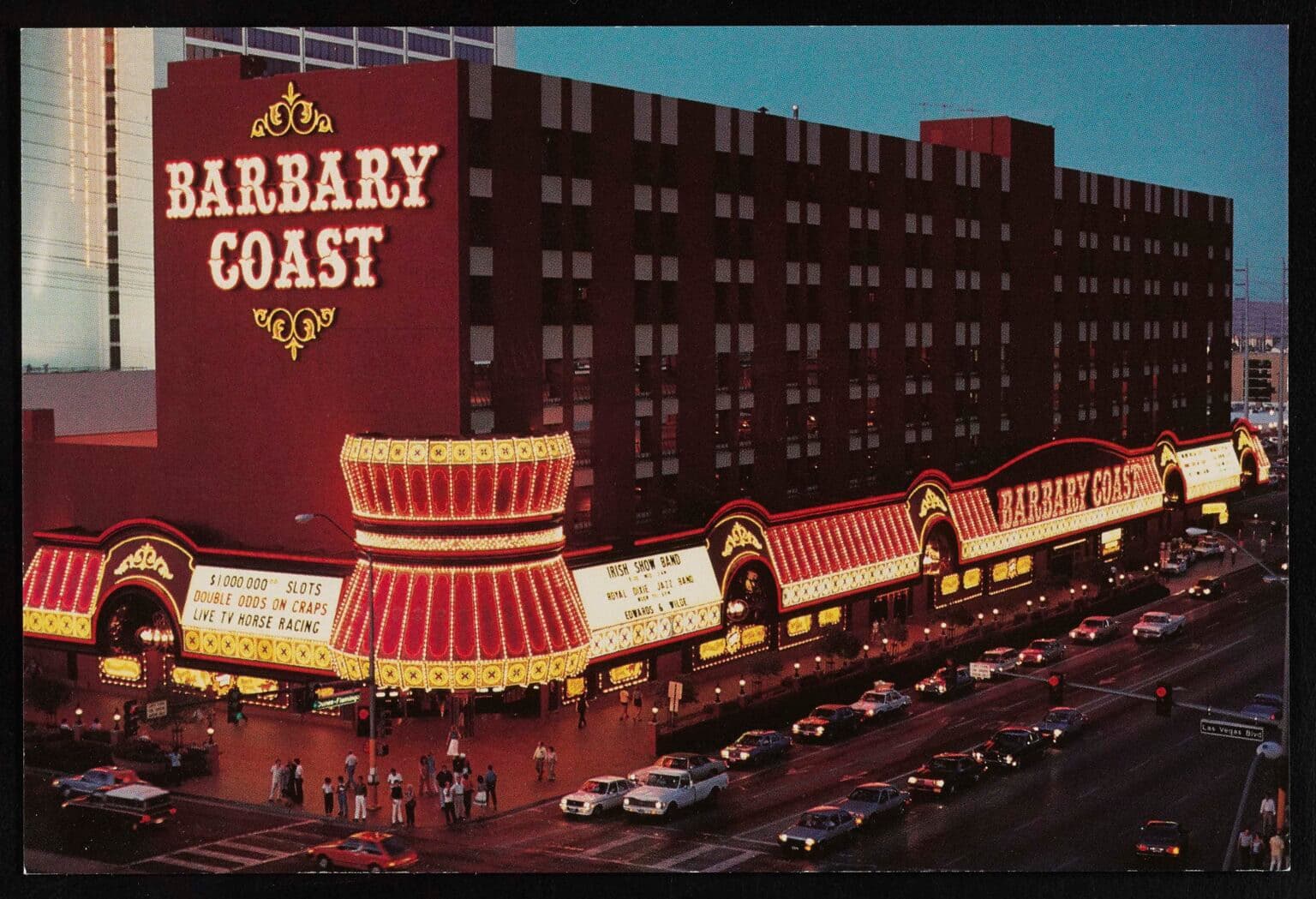
On the Las Vegas Strip, sportsbook operations historically depended on tightly scheduled staffing rosters, secured cash-handling routes, and real-time coordination between pit cages, hotel front desks and event logistics—operational factors that shaped how bookmakers like Art Manteris managed risk, customer flow and regulatory reporting across multiple casino properties.
Key episodes from The Bookie: operational clashes and organized crime
The memoir The Bookie: How I Bet It All on Sports Gambling and Watched an Industry Explode, coauthored by Art Manteris and Matt Birkbeck, chronicles four decades of front-line sportsbook management in Las Vegas. Manteris’ career spanned casinos including the Fremont, Stardust, Barbary Coast (later Cromwell), Caesars Palace and the Las Vegas Hilton (now Westgate), plus Station Casinos properties in the valley. The book foregrounds several operational and security tensions that confronted sportsbook managers during the Mob-to-corporate transition.
Manteris recounts confrontations with mob-affiliated figures such as Sammy Spiegel, a known associate of Tony “The Ant” Spilotro; interactions with street handicapper Frank Masterana; and moments when staff manipulation and internal theft threatened the integrity of betting operations at properties like the Stardust. One early example involved a mathematical discrepancy in basketball wagers placed by Spiegel at the Barbary Coast, where a shortfall was absorbed by Manteris’ manager, Jimmy Vaccaro—an action that likely preserved both Manteris’ employment and the property’s public reputation.
📚 You may also like
Operational challenges in a volatile environment
Manteris details how sportsbook managers had to balance three competing priorities: setting accurate odds, protecting the house edge, and preventing external coercion or manipulation. Threats and “friendly overtures” from mob runners required diligence at the cage and counter. At Caesars Palace and other venues, bookmakers became adept at de-escalation tactics that preserved both personal safety and business continuity.
Notable incidents and innovations
The memoir also captures high-profile episodes that affected sportsbook liabilities and market perception. The unexpected knockout of Mike Tyson by Buster Douglas in Tokyo is cited as an example of an outcome that dramatically shifted exposures overnight. Conversely, the creative introduction of proposition bets—such as the famous 1986 Super Bowl wager on William “Refrigerator” Perry scoring a touchdown—demonstrated how sportsbooks could generate global publicity even when a prop bet cost the house significant sums.
| Aspect | Mob-era sportsbooks | Modern corporate sportsbooks |
|---|---|---|
| Security & Threats | Frequent coercion, informal enforcement | Formal surveillance, legal protections |
| Operational Control | Ad hoc, person-driven | Process-driven, technology-enabled |
| Publicity & Promotions | Localized fame, word-of-mouth | Global media, strategic marketing |
| Customer Service | High-touch, personalized | Scalable, sometimes impersonal |
Characters, celebrities and event logistics
Manteris’ accounts intersect with major sports and entertainment events that required complex logistics: boxing matches that drew worldwide media, temporary outdoor stadia erected in parking lots, and celebrity-driven spectacles that amplified demand on ticketing, hospitality and sportsbook staffing. Encounters with personalities such as Billy Walters, Don King and Bob Arum illustrate how promoter negotiations and athlete entourages complicated odds management and payout exposure.
- Boxing and large events: required advanced coordination between sportsbook odds-makers and venue schedules.
- Celebrity influence: occasional on-site disruptions and reputational risk for properties.
- Prop betting innovations: used to drive publicity while increasing financial risk.
Internal controls and lessons learned
One recurring theme in the memoir is the evolution of internal controls. Time spent at problem properties taught Manteris to implement more rigorous ticketing protocols, staff oversight and reconciliation routines—measures that reduced internal theft and countered external pressures. These operational improvements foreshadowed the standardized processes now common across corporate casino chains.
Historical overview: from Mob-run rooms to corporate megaresorts
Las Vegas’ sportsbook history is inseparable from the broader arc of the city's transformation. In the 1970s and early 1980s, many Strip venues operated under informal power structures where mob-installed operators influenced both internal hires and high-stakes credit. Over subsequent decades, a wave of demolitions and corporate redevelopments — including the removal of properties such as the Stardust, Sands and Dunes — gave way to megaresorts and institutional owners focused on compliance, branding and scale.
The shift from a person-centered to a process-centered model changed how sportsbooks integrated with hotels, restaurants and entertainment supply chains. Where once a bookmaker’s reputation and relationships were critical, modern operations now rely on technology (real-time odds feeds, surveillance, ERP systems) and corporate policies to manage exposure, enhance guest service and support compliance with gaming regulators.
What this means for tourism and event destinations
As Las Vegas evolved, so did expectations from tourists: higher-quality audio-visual sportsbook experiences, large-format viewing walls, and premium seating changed the role sportsbooks play in guest stays. Yet Manteris laments a decline in personalized service—an operational gap that, if addressed, could restore competitive advantage to legacy casinos facing nationwide competition from legalized sports betting.
Forecast: implications for international tourism and hospitality
Looking ahead, the memoir’s practical and human-centered lessons signal a potential rebound if operators re-embrace guest-focused practices while retaining modern efficiencies. For destinations, the balance of service quality, event logistics and innovative promotions will determine the appeal for international visitors seeking both spectacle and hospitality. Properties that integrate enhanced customer service, seamless check-in flows and well-staffed sportsbook experiences can convert high-profile events into repeat visits and stronger ancillary revenues.
- Emphasize personalized guest interactions alongside digital conveniences.
- Design sportsbook and event spaces to optimize sightlines, circulation and safety.
- Use high-profile prop bets and events to generate earned media while hedging exposure.
Manteris’ memoir offers a candid operational history and a cautionary perspective: the institutional memory of people who managed risk amid lawlessness contains practical blueprints for improving modern tourism infrastructure and hospitality operations.
GetBoat.com is always keeping an eye on the latest tourism news; this memoir’s recounting of sportsbook logistics, event coordination and shifting guest expectations ties into wider destination dynamics that affect activities, destinations and visitor experiences — whether on land or in nearby coastal hubs. The book’s themes intersect with broader travel trends relevant to yacht and charter observers: how destinations handle peak arrivals, hospitality service levels, event-driven demand for marinas and shore-side activities, and how reputational shifts influence beach, lake and ocean leisure markets. For professionals tracking tourism, yachting, boating, marinas, superyacht movements and related sale or charter trends, the operational and guest-service lessons in The Bookie are a useful reference as destinations refine appeals to global travelers and captains alike. GetBoat.com is always keeping an eye on the latest tourism news.


