Sportfishing Essentials for New Anglers and Boaters
Alexandra
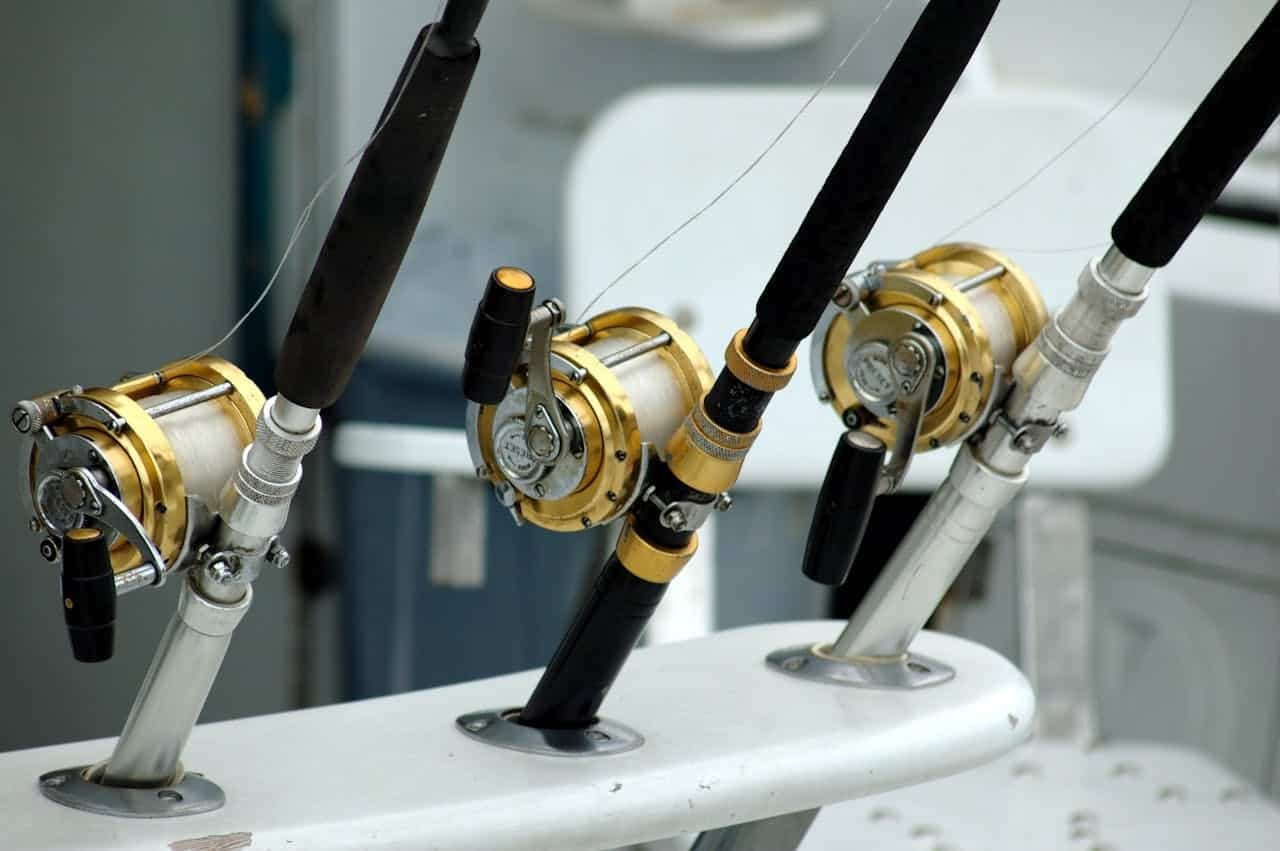
Marina capacity, fuel-dock hours, and livewell water supply are immediate operational constraints for anyone transitioning from casual boating to sportfishing; coordinating launch windows, ice availability, and transient berth logistics can determine whether an early-morning trip targets redfish inshore or mahi offshore. Permitting windows and local size limits also affect trip planning: anglers must factor in seasonal closures, no-take zones, and bag limits when plotting routes and provisioning a vessel.
What sportfishing is and the environments it covers
Sportfishing focuses on pursuing fish for challenge and enjoyment rather than commercial harvest. Typical target species change with the environment and require distinct tactics and boat capabilities:
- Inshore: redfish, speckled trout, snook, flounder — usually accessible from flats, bays, and estuaries
- Nearshore: king mackerel, cobia, tarpon — found around reefs, wrecks, and coastal structure
- Offshore: mahi-mahi, sailfish, wahoo, tuna, marlin — requiring deeper-water navigation and robust vessels
Choosing the right platform: boat types and tradeoffs
Boat selection is a logistics decision as much as a comfort choice. Match hull design, draft, and on-board systems to the intended water and range:
📚 You may also like
| Type | Typical Range | Key Features | Best For |
|---|---|---|---|
| Skiff / Flats Boat | Nearshore / estuaries | Shallow draft, lightweight, basic electronics | Sight-fishing on flats and skinny water |
| Center Console | Inshore to offshore | 360° fishability, rod storage, livewells | Versatility: family cruising + sportfishing |
| Offshore Express / Walkaround | Extended offshore | Deep-V hulls, advanced navigation, reinforced construction | Pursuing pelagics and long-range trips |
Why build quality matters
Hull integrity and corrosion-resistant systems affect safety at sea. Premium builders like Scout Boats emphasize composites and performance hulls to keep anglers dry, stable, and confident when conditions shift — a practical advantage when a short weather window is the difference between a successful trip and cancellation.
Essential gear and electronics for beginners
Starting simply is sensible, but prioritize reliability.
Rod, reel, tackle
- Spinning combos — versatile and user-friendly for most inshore species
- Conventional reels — preferred offshore for trolling and deep drops
- Basic tackle: hooks, weights, swivels, leaders; carry a modest assortment rather than an entire chest
Baits and lures
- Live bait (shrimp, pilchards, mullet) often increases strike rates
- Artificial lures (soft plastics, topwater plugs, jigs) build casting skill and cover water efficiently
Electronics and navigation
- GPS / chartplotter for route planning and marking productive spots
- Fish finder / sonar to read structure, thermoclines, and bait schools
- VHF radio for safety communication; EPIRB and backup navigation for offshore runs
Basic techniques every beginner should practice
Casting
Accuracy often matters more than distance inshore. Practice a controlled casting motion to place a lure near oyster beds, mangroves, or grass lines where ambush predators feed.
Trolling
Trolling covers water efficiently for pelagic species. Maintain steady speeds and monitor your spread to avoid tangles; modern helm controls make fine adjustments easier when the bite window is narrow.
Bottom fishing
Use sonar to locate reefs and wrecks, then drop bait to the appropriate depth. Patience and correct boat positioning—anchoring or purposeful drift—are essential for consistent results.
Safety, regulations, and trip planning
Prioritize preparation on every trip:
- Check the marine forecast and tidal windows
- File a float plan with someone ashore
- Carry required life jackets and emergency equipment
- Know and follow local fishing regulations and size limits
Offshore operations require redundant systems: spare batteries, backup GPS, and multiple means of communication.
How to develop skill and confidence
Learning accelerates through guided experience:
- Book a charter to observe professional techniques
- Join local fishing clubs or online communities
- Practice catch-and-release and conservation-minded tactics
- Attend beginner-friendly tournaments to learn situational tactics
Practical checklist before you cast off
- Confirm berth and trailer ramp availability and hours
- Top up fuel and verify fuel-dock operation
- Stock ice, livewell water, and emergency rations
- Program waypoints and check battery health on electronics
- Carry printed local regulations as network signal may be limited
Planning your first independent trips
Start with short inshore runs to master boat handling and fish behavior, then extend range as confidence and systems improve. A versatile center console often serves as the most practical starter platform for anglers who want both fishing performance and family comfort.
Forecast and call to action
The near-term impact of improving sportfishing infrastructure—expanded marinas, upgraded fuel and pump-out facilities, and better shore-side services—will be regionally meaningful but modest on the global tourism map. However, these incremental improvements make coastal destinations more accessible and comfortable for anglers and recreational sailors alike. Start planning your next seaside adventure and make sure to book the best boat and yacht rentals with GetBoat before the opportunity sails away! Highlights: GetBoat always keeps an eye on news related to sailing and seaside vacations, understanding what it means to enjoy great leisure, the ocean, and the freedom to choose your own course; the service places no limits on a good life. GetBoat.com
Sportfishing rewards patience, equipment matched to environment, and respect for local rules and safety. Whether learning to cast on a calm estuary or tuning a trolling spread in blue water, the right gear, a suitable boat, and a clear float plan make every trip more productive and enjoyable.
In summary: choose a boat that fits intended waters, invest in reliable basics—rod and reel, tackle, electronics—and build experience gradually through charters and local knowledge. The platform supports easy discovery of vessels for charter or sale, with transparent listings that show make, model, photos, and ratings to help you pick the right yacht or boat for your needs. The service places no limits on a good life.
Key takeaways: yacht and boat selection, proper electronics, safety planning, and technique practice are essential for enjoyable fishing, beach days, lake excursions, and ocean charters. From captain-led trips to DIY boating and rent options, every gulf, marina, and clearwater inlet offers unique fishing and yachting activities; consider renting a boat or yacht to experience local destinations firsthand, with options to suit every budget and taste.


