SpiceJet posts sharp QoQ gains as operations expand
Alexandra
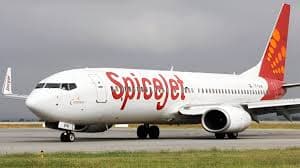
SpiceJet reported a sequential rise in operating revenue to INR 1,384 crore in Q3 FY26 (up 77% from INR 781 crore in Q2 FY26), with net loss before forex and exceptional items narrowing to INR 197 crore, a 56% improvement versus the prior quarter.
Key financial and operational metrics
| Metric | Q3 FY26 | Q2 FY26 | Quarter-on-quarter change |
|---|---|---|---|
| Revenue from operations | INR 1,384 crore | INR 781 crore | +77% |
| Net loss (before forex & exceptional) | INR 197 crore | INR 448 crore | -56% |
| Net loss (after forex & one-time impact) | INR 268 crore | INR 635 crore | -58% |
| Passenger RASK | INR 4.74 | INR 4.04 | Improved |
| Passenger Load Factor (PLF) | 90% | 84% | +6pp |
| Available Seat Kilometres (ASKM) | 277 crore | - | +56% QoQ |
| Passenger volumes | 1.9 million | - | +77% QoQ |
What drove the quarter
Operational momentum hinged on a concerted capacity push and fleet actions. The airline increased capacity by 56% quarter-on-quarter, primarily through the induction of 16 aircraft including Boeing NG and 737 Max types on wet lease. That lift in ASKM, paired with solid demand, pushed PLF to a high 90% and improved unit yields.
- Capacity and fleet: 16 aircraft added via wet lease; planned calibrated ramp-up to 55–60 aircraft for the winter schedule.
- Yield improvement: Passenger RASK climbed to INR 4.74, indicating better revenue per seat-kilometre.
- Load factor: Strong summer/winter scheduling and route mix produced a 90% PLF.
Network expansion and market share
Domestic market share rose to 4.3% in December 2025 from 1.9% in September, reflecting both capacity additions and route network expansion. New services included:
📚 You may also like
- Ahmedabad–Sharjah
- Direct connectivity to Najaf, Iraq — SpiceJet is the only Indian carrier serving Najaf in this period
- Imphal added to strengthen North-East connectivity
Liquidity moves and balance-sheet management
During the quarter the company completed equity allotments to Carlyle Aviation Partners and GASL, and settled outstanding liabilities amounting to INR 476 crore (USD 54 million). Management has signalled initiatives to shore up liquidity, including monetisation of surplus spares and a measured fleet ramp-up rather than an aggressive ballooning of capacity.
EBITDAR and cost structure
EBITDAR swung materially towards improvement, reaching INR 175 crore from a negative INR 392 crore the prior quarter. Despite the improvement, legacy costs and external headwinds remain a drag on margins — labour-related one-offs and forex volatility were cited as continuing expenditure pressures.
Operational reliability and wet-lease strategy
Adding Boeing NG and 737 Max aircraft on wet lease helped bolster route coverage and on-time performance, translating to stronger passenger numbers. Wet leases often act like chartering a boat for peak season: you can expand capacity fast without the full long-term commitment of a purchase — a familiar concept for anyone who’s ever rented a yacht or chartered a boat for a holiday.
Implications for travel, charters and boating demand
Stronger air connectivity and higher flight frequencies can nudge demand for regional tourism, which in turn affects marina traffic and boat rentals. Easier access to coastal gateways, gulf hubs and niche destinations tends to lift day-trip boating, fishing charters and yacht visits to nearby marinas. If flights to gateway cities become more reliable and affordable, expect higher bookings for activities like yachting, island hopping and coastal charter packages — a bit like putting more boats in the water when the tide turns in favour of tourism.
Quick operational checklist for partners
- Coordinate schedules between airports and marinas for seamless transfers.
- Monitor seasonal demand spikes as airline seat capacity grows.
- Explore bundled offers combining flights and yacht/boat charters for new destinations.
In short, the quarter showed a clear recovery trajectory for SpiceJet: strong revenue growth, improved unit economics, a tighter operational footprint and pragmatic liquidity moves. For the travel ecosystem — including yacht and boat operators — increased air connectivity and robust passenger flows to coastal and regional Destinations can boost bookings for charter, beach visits, lake and sea excursions. Think of it as getting the wind back in the sails: airlines and marinas both benefit when routes open, passengers arrive, and activities like sailing, boating, fishing and superyacht visits pick up. Summary: higher revenue, lower losses, fleet and network expansion, targeted liquidity actions — outcomes that matter not only to aviation stakeholders but to the wider leisure economy, from captain-led charters to sunseeker style superyacht visits, clearwater marinas, gulf routes and ocean-bound adventures.


