Global Aviation, FlySafair Add A320 and 737-800
Alexandra
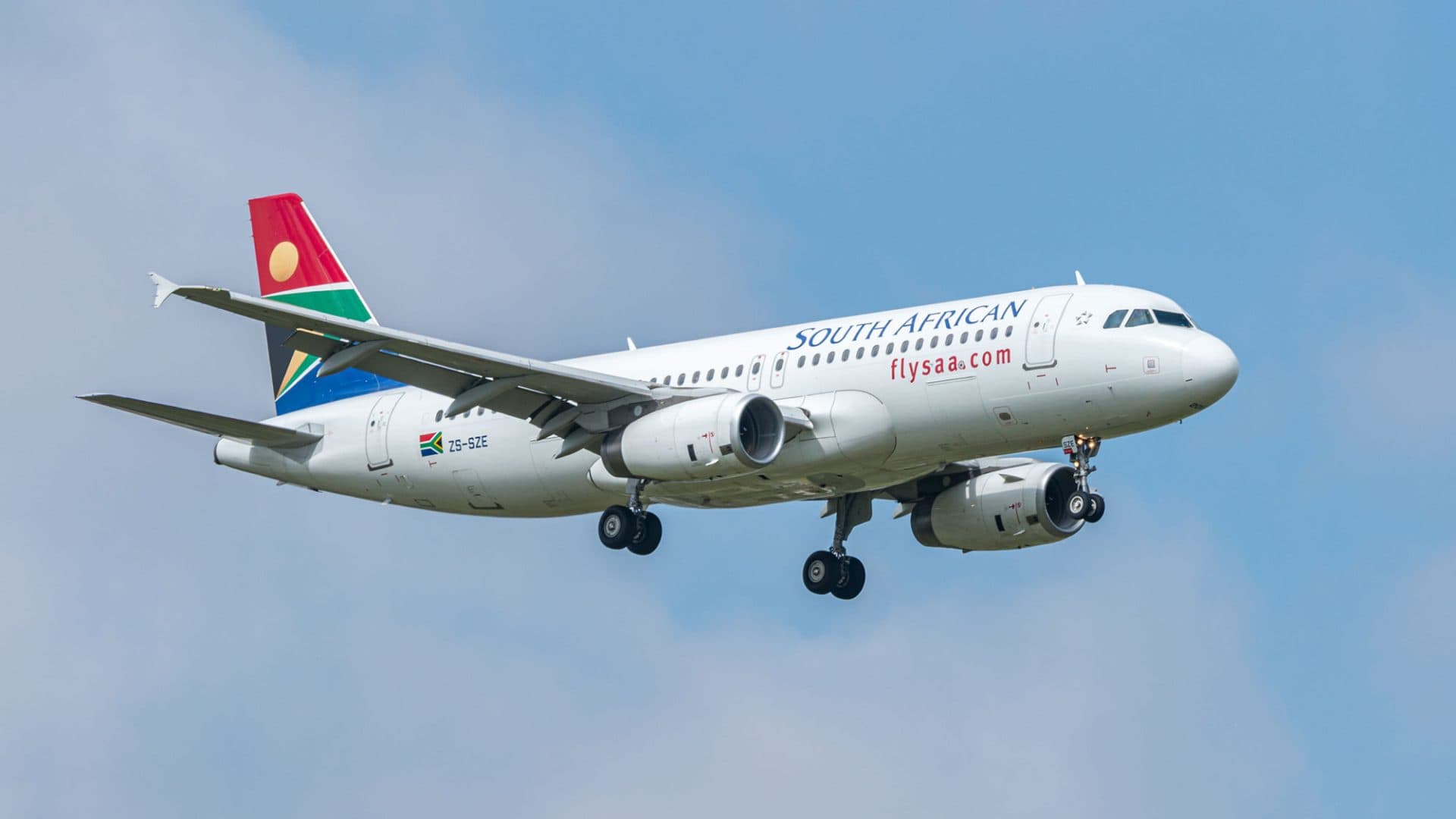
In late January and the weeks following, South African operators put two narrow-body jets into service: FlySafair accepted a Boeing 737-800 ex-China Airlines, and Global Aviation is integrating a 16-year-old Airbus A320 formerly operated by Virgin Australia into the LIFT network. These movements tightened capacity on popular domestic trunk routes and shifted aircraft utilization patterns across major hubs.
Fleet details and immediate operational impacts
The recent deliveries are practical, not flashy: the Boeing 737-800 brings proven seat capacity and range for high-frequency domestic rotations, while the second-hand Airbus A320 offers a cost-managed way to scale up services without heavy capital outlay. Airlines are juggling schedule density, turnaround times, and crew rostering as they absorb the additional aircraft.
How the additions change route economics
Adding these jets affects slot utilization, block times, and maintenance cycles. Operators can now:
📚 You may also like
- Increase flight frequency on busy city pairs to reduce congestion and meet peak demand.
- Reassign older airframes for less-traveled regional sectors, optimizing fuel and crew costs.
- Spread fixed costs over higher seat-miles to improve unit economics on popular routes.
Table: Quick comparison of the newly added aircraft
| Operator | Aircraft | Origin | Primary role |
|---|---|---|---|
| FlySafair | Boeing 737-800 | Ex-China Airlines | Increase trunk frequency, replace older 737s |
| Global Aviation / LIFT | Airbus A320 (16 years) | Ex-Virgin Australia | Cost-effective capacity for domestic/regional routes |
Strategic contrasts: cost control vs. fleet standardization
Global Aviation is taking a pragmatic route: buying used equipment to limit capital expenditure and quickly scale capacity for LIFT. In contrast, FlySafair appears to double down on a standardized fleet of Boeing 737-800s to simplify pilot training, maintenance, and scheduling. Both approaches are valid; one favors flexibility and lower initial spend, the other favors operational commonality and predictable performance.
Operational trade-offs
Standardization reduces complexity, but purchasing pre-owned airframes lowers acquisition cost and shortens delivery lead times. Airlines deciding between the two must weigh:
- Maintenance logistics and supply-chain implications for spares.
- Crew training and cross-qualification times for pilots and cabin staff.
- Fuel burn differences and seat configuration impacts on revenue per flight.
Broader market context and connectivity effects
Domestic demand in South Africa has rebounded, driven by leisure and business travel. More flights create knock-on effects for multimodal travel: increased air frequency supports more day-trip leisure traffic to coastal and lake destinations, which in turn affects boat and yacht charters, marina bookings, and seasonal maritime activity. If flights get you to the coast faster, you’re more likely to rent a boat or book a captain for an afternoon cruise — simple logic, right?
Practical implications for marinas and boat rentals
- Higher passenger throughput at coastal airports can increase demand for last-mile transfers to marinas and yacht clubs.
- Tour operators and charter brokers may see growth in short-term rentals and sport fishing bookings.
- Superyacht and day-charter markets benefit from improved domestic connectivity when scheduling repositioning trips.
A quick anecdote from the road
I remember booking a weekend coastal escape and choosing a later flight only because a carrier added capacity that week — the trip turned out to be smooth sailing, literally and figuratively. Small schedule changes can nudge more people toward boating activities, and once you’re on the water, you’re hooked.
Implications for stakeholders
For airline network planners, lessors, and airport operators, these fleet moves signal a need to coordinate slot allocations, ground-handling resources, and maintenance scheduling. For yachting and coastal tourism operators, increasing air connectivity means rethinking transfer services, captain availability, and charter supply to match new peaks in demand.
Key takeaways
FlySafair strengthens frequency and reliability with additional Boeing 737-800s; Global Aviation scales affordably by integrating a used Airbus A320 into LIFT. Both strategies respond to rising domestic travel, and both have downstream effects on marinas, charters, and coastal tourism.
In summary, the recent arrivals of the Airbus A320 and Boeing 737-800 in South Africa reflect divergent but complementary strategies: cost-efficient fleet expansion for LIFT via Global Aviation and capacity standardization for FlySafair. These moves tighten domestic connectivity, ease travel logistics, and create opportunities for related sectors such as yacht charter, boat rent, beach excursions, lake trips, sailing and captain services. Expect ripple effects across Destinations, superyacht and yachting activities, sea and ocean boating, gulf and water tourism, marinas like Clearwater, and fishing charters — in short: more passengers in the air often means more people out on the water.


