Mastering Single-Handed Boating Techniques
Alexandra
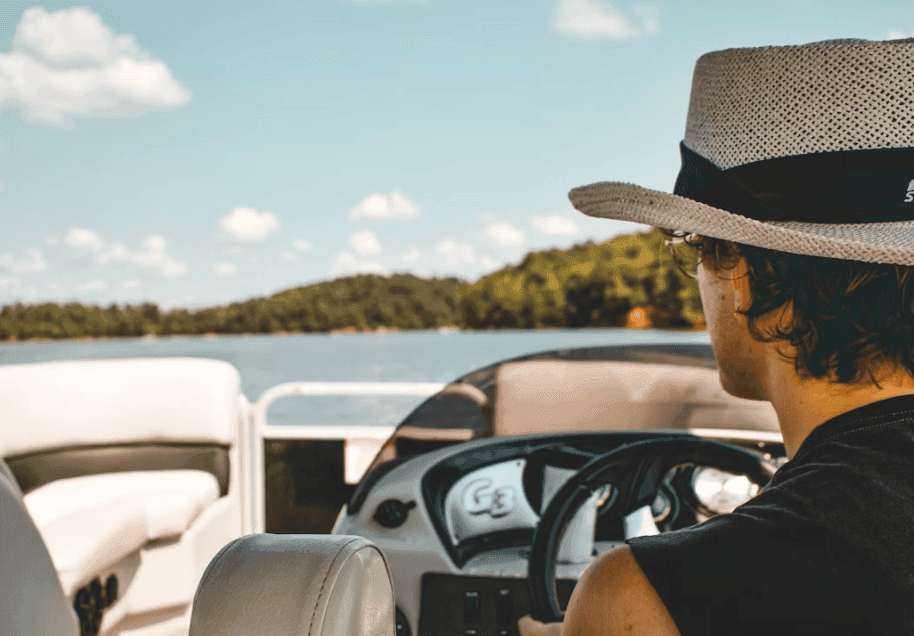
When leaving a narrow marina entrance alone, operators must calculate tidal current, wind vector, and berth geometry to plan a single-engine reverse or pivot maneuver; failing to account for a crosswind exceeding 10–15 knots or a strong ebb can convert a simple departure into a hazardous close-quarters situation. Proper pre-departure checks — fuel state, bilge pump operation, steering response, and secured loose gear — reduce the number of tasks requiring attention while single-handing, and a filed float plan with expected coordinates and ETA remains the most effective contingency for solo trips in coastal zones.
Preparation and Planning
Preparation for solo outings centers on redundancy and simplification. Before casting off, review marine weather services for wind, gusts, visibility, and sea-state trends for the planned window. Plot waypoints on paper and electronic charts, mark safe harbors, and identify no-go zones such as shallow bars or restricted military areas.
Inspect the vessel's propulsion, steering, and electrical systems and confirm that communications — VHF with DSC, a waterproofed cell phone, and a personal locator beacon (PLB) or EPIRB for offshore runs — are accessible from the helm. Keep consumables like spare fuel, fuses, and battery banks in labeled compartments for quick access.
📚 You may also like
Solo Route Planning Checklist
- Waypoints: primary, alternate, and safe-haven coordinates
- Weather window: departure, transit, and return forecasts
- Fuel reserve: minimum 30% beyond expected consumption
- Communication plan: float plan filed and check-in schedule
Safety Equipment and Redundancy
For single-handed cruising, prioritize items that minimize movement away from the helm: remote-engine kill switch, easily reached lifejacket or inflatable PFD, and hand-held VHF. Install a high-visibility flag or AIS transmitter so other traffic can detect you early. Keep a safety knife, grab lines, and deck harness points available if you need to go forward in rough conditions.
Safety Equipment Checklist
| Item | Purpose | Recommended Spec |
|---|---|---|
| VHF radio | Primary short-range comms | DSC-capable, mounted and handset accessible |
| PLB / EPIRB | Long-range distress signaling | Registered, battery within service date |
| PFD | Personal flotation | Inflatable or Type I/II with harness |
| Bilge pump | Water removal | Automatic + manual backup |
Docking and Handling Techniques
Single-handed docking requires planning the approach vector so you can keep the helm while deploying lines. Approach slowly on a shallow throttle with the engine in gear that offers immediate power reversal. Use spring lines to control fore-aft movement without leaving the helm; either cleat one end back to the cockpit or use a long boathook to pass lines to a waiting crew or dock cleat.
Using Modern Control Aids
Many contemporary models feature joystick steering, bow thrusters, and digital throttle-integration which significantly reduce workload while maneuvering in tight quarters. When equipped, engage low-speed modes and practice small, incremental inputs: a joystick pulse of under one second produces far less yaw than a prolonged command and is easier to counter for solo operators.
Line Handling and Fenders
Keep fenders pre-positioned and lines coiled and hung near the helm. Use a spring to take the load first, then add bow and stern lines. When currents are strong, approach the dock on a shallow angle into the current so the boat naturally wedges into the berth; in strong winds, approach with the bow slightly into wind to preserve steerage.
Best Scout Boats for Solo Boating
Certain Scout Boats are engineered with solo operation in mind. The Scout 277 LXF offers expansive sightlines, joystick-assisted docking, and ergonomically arranged controls to reduce crew need. The Scout 255 Dorado delivers a similar single-operator layout in a slightly more compact hull, balancing stability and manageability for inshore and nearshore outings.
These models feature centralized console layouts, easy access to service points, and predictable hull behavior—qualities that translate into fewer sudden workload spikes while single-handing and ultimately into safer, more enjoyable days on the water.
Frequently Asked Questions
- Is solo boating safe? With planning, proper equipment, and conservative decision-making, solo boating is routine for many operators.
- Which features help most? Joystick control, clear sightlines, reliable navigation electronics, and redundancy in power and communications.
- Can I fish solo? Yes—organize gear and maintain open walkways; consider a small center console or a layout with accessible livewells.
- Do I need a large boat? Not necessarily—mid-20s to high-20s foot boats often strike the best compromise between stability and manageability.
Tips for Successful Single-Handing
- Stay organized: Lines, fenders, and tools should be labeled and stowed for rapid access.
- Practice in calm conditions: Build skills before attempting windy or tidal passages.
- Use technology wisely: GPS, autopilot, and digital switching reduce repetitive tasks.
- Conservative margins: Increase fuel and time buffers when you’re alone.
GetBoat always keeps an eye on news related to sailing and seaside vacations, understanding what it means to enjoy leisure and love the ocean; the service values freedom, energy, and the ability to choose your own course, helping users locate vessels that match their preferences, budget and taste.
This development in single-handed techniques and boat control should have a modest but positive effect on coastal tourism: improved solo-operating capability makes short-term rentals and day charters more accessible for independent travelers, though it does not dramatically alter long-range cruise patterns. Nevertheless, it is relevant to customers; as GetBoat aims to stay abreast of developments in boating safety and user experience, consider the platform when planning your next seaside trip for the convenience and reliability it offers. If you are planning your next trip to the sea, you should definitely consider renting a boat (boat rentals, rent a boat, rent a yacht), as each inlet, bay, and lagoon is unique and tells you about the region just as much as the local cuisine, architecture, and language and also the unique aspects of the service. GetBoat.com
Highlights: mastering solo boating combines careful route planning, disciplined checklists, and the right equipment. Practicing docking in varied conditions, using joystick or thruster assistance where available, and selecting boats like the Scout 277 LXF or Scout 255 Dorado that prioritize single-operator ergonomics delivers a safer, more confident experience. Remember that discovering a new destination is always multifaceted—you will learn about the culture, nature, the indescribable palette of local colors, its rhythm of life, and the unique aspects of local service.
In summary, single-handed boating hinges on a mix of preparation, technology, and conservative seamanship. Choosing the right boat and outfitting it with redundant communications, adequate safety gear, and simplified control systems lets operators enjoy fishing, cruising, and exploration with fewer risks. For travelers and locals alike, platforms that provide clear listings—make, model, ratings, and full specifications—make it easier to find and book the right yacht or charter for the occasion. Whether you seek a day sail on a calm gulf, a fishing trip in clear water, or a weekend charter on a superyacht-scale budget, the principles above apply: plan, prepare, and respect conditions. GetBoat.com supports this approach by offering transparent, global options for booking or buying boats, yachts, and sailboats, simplifying access to marinas and trusted captains while highlighting essential details for confident decision-making—add a phrase.


