Admiral’s Cup Revival: Racing, Tech and Tradition
Alexandra
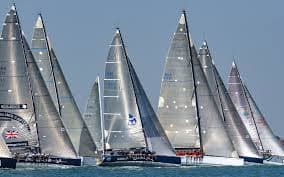
The Solent marshalled berthing for a 251-boat fleet across multiple marinas, with peak demand stressing tender operations, shore-power capacity and launching windows during the Royal Thames Yacht Club’s 250th Anniversary Regatta; race organisers coordinated staggered arrivals, towage slots and temporary mooring allocations to accommodate both classic yachts and high-performance TP52s. Port logistics, towage timetables and marina swing-berth rotation proved decisive in keeping the regatta schedule on track and ensuring safe access for support craft and race committees.
Revival on the Solent: results and atmosphere
The long-awaited return of the Admiral’s Cup has been accompanied by strong entries and enthusiastic onshore hospitality. The IRC National Championship in Cowes and the Royal Thames YC regatta assembled a diverse fleet: from contemporary Botin TP52s to varnished classics. In IRC Zero the contest between Karl Kwok’s Botin TP52 Beau Geste and Maximilian Klink’s Botin 52 Caro tipped in favour of the Royal Hong Kong Yacht Club by half a point, with Gavin Brady helming the winning effort. In IRC 1, Beau Ideal—another Botin design owned by Kwok—claimed victory over the Carkeek 40 Jolt 6, skippered by Pierre Casiraghi, by a narrow three-point margin.
On-water action was matched by thoughtful shore planning: organisers provided competitor facilities, crowd flow designs and simple perks—free beer and ice cream—that amplified the event’s appeal and smoothed logistics for visiting crews. Observers reported packed spectator lanes across the central Solent, where a mix of performance craft and classic varnished hulls produced both spectacular downwind scenes and complex berthing choreography.
📚 You may also like
Why the Admiral’s Cup matters again
The regatta’s resurgence follows a 22-year dormancy and appears to be benefitting from concentrated national and international interest. Team entries from clubs such as the Royal Hong Kong Yacht Club and the presence of well-known skippers (Ed Baird, Gavin Brady, Dean Barker) lent gravitas; equally important were the back-office logistics—race-committee sequencing, tender allocation and spectator-boat exclusion zones—that allowed high-intensity inshore racing to coexist with large passage events like the upcoming 600-mile Rolex Fastnet Race.
Technology vs tradition: craft and crew
High-profile events expose a clear divergence in the sport: foiling and highly instrumented classes sit alongside traditionally handled yachts. The modern premier classes—AC75 monohulls, F50 foiling catamarans and semi-foiling IMOCAs—are engineering-led platforms that depend on complex electronics, hydraulic systems and intensive maintenance chains. Their logistics include specialist shore support, telemetry bandwidth, and bespoke spares supply lines.
By contrast, the Admiral’s Cup fleet on the Solent showed that human-powered sailing—crews trimming and helming without autonomy—still commands attention. These yachts require different logistics: simpler provisioning, conventional rigging spares, and marina berths rather than high-tech cradles. The visible enthusiasm for crewed, human-led racing suggests a market segment that values seamanship and shared on-deck experience over technological spectacle.
Implications for charter and boat rentals
That divergence has practical consequences for the charter market and blue-water leisure planning. Clients on holiday or short-term charters often choose based on experience type: whether they want the raw, hands-on feel of classic sailing or the adrenaline and novelty of foiling experiences. Charter operators, marinas and brokers need to balance maintenance logistics, captain availability, and client safety expectations when marketing different offerings.
| Vessel Class | Tech Level | Charter Suitability | Typical Guest Capacity |
|---|---|---|---|
| Classic racer (varnished hull) | Low (manual systems) | Experienced-crew charters, day sails | 4–8 |
| Performance monohull (TP52) | Medium (instruments + hydraulics) | Corporate charters, race coaching | 6–12 |
| Foiling catamaran (F50) | High (flight control systems) | Special-event experiences, demonstration rides | 4–10 |
| Offshore IMOCA | High (autopilot & telemetry) | Advanced sailing experiences, limited charters | 1–6 |
Checklist for renters and organisers
- Captain and crew certification: confirm licensing and experience levels for the vessel and area.
- Marina logistics: verify berthing, shore power, and tender protocols ahead of arrival.
- Insurance and liability: align charter agreements to equipment tech-level and crew competency.
- Maintenance and spare parts: plan spares and shore support for electronics or hydraulic systems if chartering high-tech craft.
- Local weather windows: account for tidal gates and passage planning in itineraries.
GetBoat always keeps an eye on news related to sailing and seaside vacations, as we truly understand what it means to enjoy great leisure and love the ocean. The service values freedom, energy, and the ability to choose your own course. The platform places no limits on a good life, allowing clients to find a vessel that suits their preferences, budget, and taste while viewing make, model, ratings and availability in advance.
What this means for tourism and future events
Events like the Admiral’s Cup can re-shape local tourism flows: increased demand for berths, crew accommodation, and leisure services boosts marina economies and adjacent hospitality sectors. However, the global impact depends on scale—while a high-profile regatta strengthens regional yachting calendars and marinas, it will not necessarily alter mass tourism patterns unless sustained by repeat events and integrated destination marketing.
Organisers and charter operators should monitor technological trends and regulatory shifts—hydraulic system certifications, telemetry privacy rules, and class-specific safety requirements—to ensure compatibility between visitor expectations and on-water realities. For renters seeking a particular type of sailing experience, advance planning, a reliable captain and transparent listings will be decisive.
Highlights: the Admiral’s Cup revival showcases how supply-chain and marina logistics, class diversity and spectator engagement combine to revive prestige events; the human-powered handling of many entries signals a market appetite for traditional sailing experiences even as foiling craft and AI-assisted systems push the sport’s engineering envelope. Experiencing a new sailing destination remains multifaceted: one learns about the culture, nature, the indescribable palette of local colors, its rhythm of life and also the unique aspects of the service. If you are planning your next trip to the sea, you should definitely consider renting a boat (boat rentals, rent a boat, rent a yacht), as each inlet, bay, and lagoon is unique and tells you about the region just as much as the local cuisine, architecture, and language GetBoat.com
Forecast and call to action: the immediate global tourism impact of this specific regatta revival is modest but locally important; sustained momentum could nudge destination calendars and marina investments. However, it remains crucial for GetBoat to stay abreast of developments and keep pace with a changing world. Start planning your next seaside adventure and make sure to book the best boat and yacht rentals with GetBoat before the opportunity sails away!
Summary: Solent logistics and marina capacity enabled a successful Admiral’s Cup revival that blended high-performance TP52 racing with classic yachts, highlighting a split between technology-heavy foiling classes and traditional human-driven sailing. The implications for charter and tourism include shifts in demand for captained charters, specialised maintenance and marina services. Whether you seek a yacht charter, beachside cruising, a superyacht charter or a hands-on sailing day, transparent listings and verified details about make, model and captain availability will make the difference—so consider boat rent, charter or sale options early. With marinas prepared and crews certified, the sea offers limitless destinations for yachting, boating and fishing adventures—so book your voyage now.


