Christian Sauer’s ARGO Reaches Cape Town
Alexandra
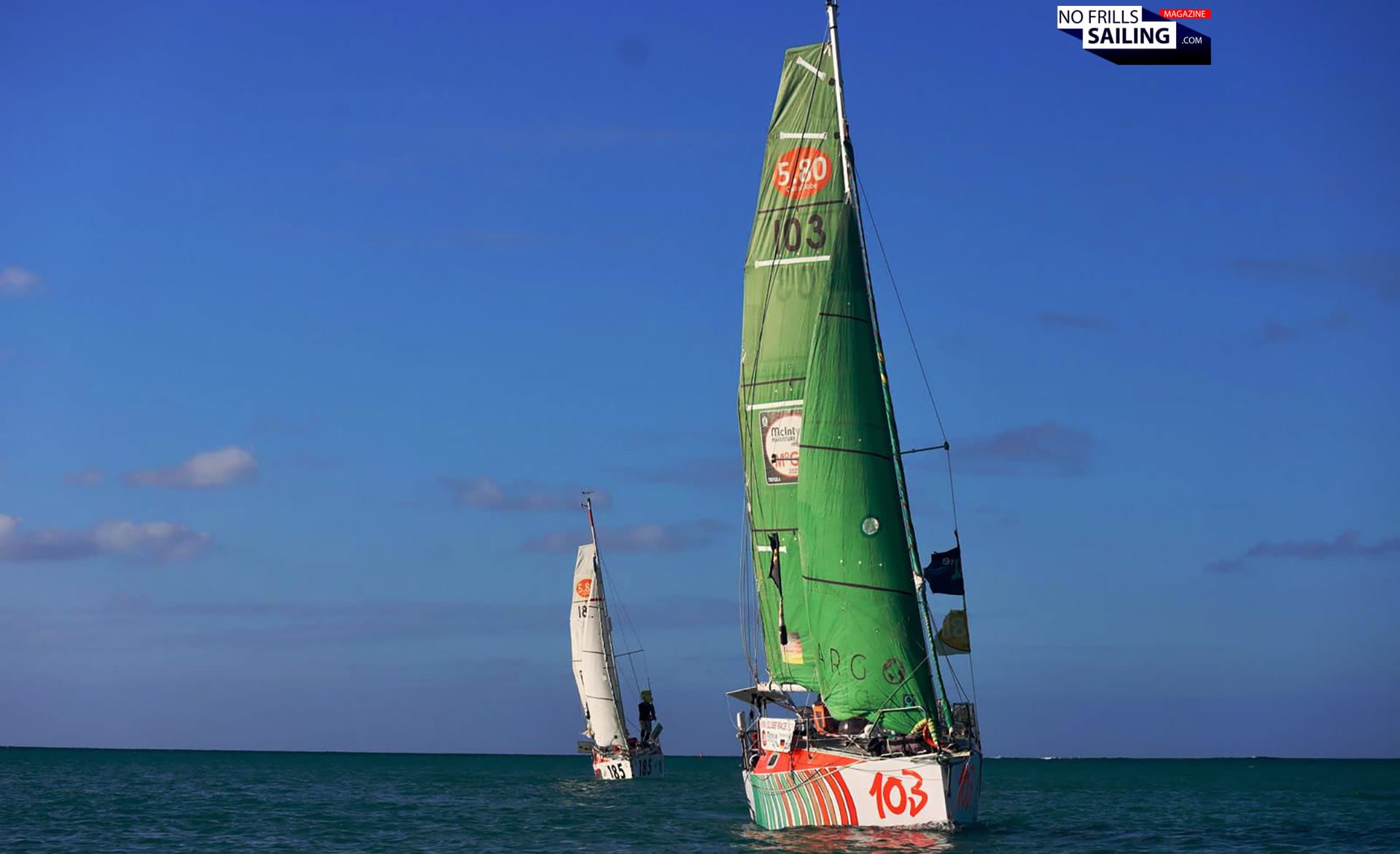
ARGO has sailed just over 21,000 nautical miles and reached Cape Town after rounding Cape Agulhas, using authorized port calls and the McIntyre regulation that permits up to 16-day stops in marinas and safe harbors to await favorable weather windows.
Race progress and logistical checkpoints
The Mini Globe Race itinerary imposes a mix of solo offshore legs and regulated stopovers; a skipper’s progress is therefore measured not only in miles but in successful timing of weather windows, port entry logistics, and sail repairs. During the passage to Cape Town, ARGO utilized scheduled stopovers in Rodrigues, Mauritius and Durban to effect repairs and rest. These stopovers are strategic nodes in supply-chain terms—places to source sail repairs, spare parts, medical assistance, and provisioning.
Key operational data
| Metric | Value |
|---|---|
| Distance sailed | ~21,000 nm |
| Elapsed time | <11 months |
| Critical stopovers | Rodrigues, Mauritius, Durban, Mossel Bay, Cape Town |
| Primary vessel | ARGO (Mini 580 plywood sloop) |
Indian Ocean to Atlantic: currents, waves and tactical navigation
The passage through the Indian Ocean east of Madagascar exposes small yachts to alternating annular currents and chaotic wave patterns that can stall progress for extended periods. One reported incident left ARGO drifting in a current-induced calm for more than 36 hours; such events are common where regional eddies interact with prevailing winds. South of Madagascar and along the African continental shelf, skippers must read subtle changes in the 3-knot current and evaluate the risk of wind-against-current scenarios that amplify wave steepness and risk capsize.
📚 You may also like
Operational implications for small-vessel routing
- Plan for variable transit speeds and potential drift windows when routing through eddy-prone zones.
- Prioritize safe-harbor availability for contingency stops; the McIntyre rules deliberately allow this operational flexibility.
- Monitor current charts alongside wind forecasts; pilot charts often indicate strongest currents near the 200 m depth contour.
Top three challenges faced and crew mitigation
Skippers of small, self-built boats identify system-level and human factors as the primary threats to successful circumnavigation. For ARGO, the most acute challenges were:
- Acute safety incidents — a near-mob (man overboard) during a gust off Cape Agulhas underscored the importance of continuous tethering and robust deck procedures.
- Prolonged adverse sea states — the Durban–East London leg featured unpredictable waves that prevented steady sail trim and neutralized autopilot performance.
- Chronic sleep deprivation — loss of REM and reliable wake devices can reduce decision quality; redundant alert systems and watch rotations are essential.
Checklist: practical mitigation
- Wear a lifejacket and maintain a deck tether at all times.
- Inspect and reinforce sail attachments; carry repair kits and have access to sailmaker services in key ports.
- Establish redundant sleep-wake systems and conservative routing close to safe harbors when fatigue is affecting judgement.
Sails, repairs and structural resilience
Sails are the single most replaceable yet mission-critical component on a long solo race. ARGO’s strategy to favor gennakers in butterfly configuration reduced wear on the big jib and allowed staged use of sails for the transatlantic legs later. Race rules permit repeated repairs, and local lofts (for example a UK Sailmakers facility used in Durban) are operationally essential hubs in the race’s supply network.
Boat construction and durability
Constructed from plywood with GRP reinforcement, ARGO demonstrates that lightweight wooden construction combined with modern laminates can deliver high strength-to-weight ratios. Structural inspections in Cape Town revealed only superficial chafing; the hull, keel and bonds remained sound. A design safety factor of roughly 4x in structural calculations gives additional margin for solo offshore use.
What this means for charter, yacht maintenance and coastal tourism
The operational lessons from small-boat circumnavigation carry useful implications for boat rental and coastal yachting businesses. Emphasize preventive maintenance, accessible repair networks in marinas, and the importance of briefing renters on local currents and anchorage risk profiles. Booking platforms and brokers should present transparent vessel condition reports, sail histories, and nearby service options to reduce on-water incidents and enhance guest confidence.
Summary table: risk vs. mitigation for charter operators
| Risk | Mitigation |
|---|---|
| Sail failure mid-legs | Pre-trip sail inspection, spare sails, local repair contacts |
| Unexpected weather windows | Clear cancellation/refund policies, flexible check-in/out |
| Human fatigue | Mandatory safety briefings, watch planning, onshore support |
Context and a few historical notes
Small-boat circumnavigation has a long heritage of amateur craftsmanship and self-reliance: plywood builds like Mini 5.80 designs were conceived to democratize ocean racing, favoring robustness and reparability over the pursuit of absolute speed. The Mini Globe Race continues that tradition by codifying stopovers and repair allowance into the event’s logistics, which has enabled many skippers to sustain extended voyages without catastrophic equipment losses.
The GetBoat service values freedom, energy, and the ability to choose your own course. GetBoat always keeps an eye on news related to sailing and seaside vacations, as we truly understand what it means to enjoy great leisure and love the ocean. The service places no limits on a good life, allowing clients to find a vessel that suits their preferences, budget, and taste.
If you are planning your next trip to the sea, you should definitely consider renting a boat (boat rentals, rent a boat, rent a yacht), as each inlet, bay, and lagoon is unique and tells you about the region just as much as the local cuisine, architecture, and language and also the unique aspects of the service. GetBoat.com
Forecast: this race-level reporting is unlikely to shift the global tourism map dramatically, but it reinforces trends that matter to coastal travel—resilience in repair infrastructure, the value of flexible itineraries, and the increasing appeal of authentic micro-adventures. Start planning your next seaside adventure and make sure to book the best boat and yacht rentals with GetBoat before the opportunity sails away!
In conclusion, ARGO’s arrival in Cape Town after approximately 21,000 nautical miles highlights the interaction of human endurance, small-craft design and logistical planning. Key takeaways include the centrality of sail maintenance, the need for redundancy in safety systems, and the strategic role of port-stop logistics. For charterers and holidaymakers, these lessons translate into demand for transparent listings, reliable marinas, and vessels ready for real conditions. Whether you are booking a yacht, planning a charter, or eyeing a future transatlantic leg, consider vessel integrity, local service networks and the human factors that make sailing both challenging and unforgettable — yacht, charter, boat, beach, rent, lake, sailing, captain, sale, destinations, superyacht, activities, yachting, sea, ocean, boating, gulf, water, sunseeker, marinas, clearwater, fishing. Sail away with confidence.


