Quiet Watertours: The Benefits of Sailing Slowly
Alexandra
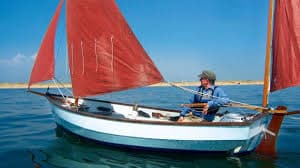
In many estuaries and designated wildlife zones the recommended vessel speed to limit bank erosion and disturbance is below 5 knots; at displacement speeds — typically around 3–4 knots for small cruisers and classic dinghies — hulls generate virtually no wake and minimal prop wash, a factor that affects berth handling, marina traffic flow and the quality of wildlife encounters.
No wake and wildlife encounters
Slow, displacement-mode sailing radically reduces the physical disturbance to shallow habitats and to species such as harbour seals and coastal feeding birds. Vessels that part the water gently allow marine animals to continue feeding and resting without the stress caused by sudden wash or propeller turbulence. In practical terms this means that when a small cruiser or traditional lugger transits upriver at displacement speed, onlookers can expect less startle response from resting seals and minimal movement from gulls and cormorants on the water.
Observers familiar with the south-coast ports note that wind farms and other restricted marine zones can function as de facto protected feeding grounds. The combination of minimal boat wash and restricted fishing activity often creates pockets of rich biodiversity — ideal for silent sail approaches and wildlife photography from deck.
📚 You may also like
Minimal wash: hull shape and behaviour
Hull geometry is the primary determinant of wake signature. Boats with a fine entry, long waterline and tapered stern shed water smoothly; the flow rejoins cleanly behind the transom, producing a barely discernible wake. Classic designs such as the Emsworth Lugger, Folkboat derivatives and long-keel cruisers are specifically notable for this behavior at displacement speed.
| Hull type | Typical speed (knots) | Wake profile | Best use |
|---|---|---|---|
| Long-keel cruiser (Folkboat, Invicta 26) | 3–5 | Very low wake | Coastal cruising, wildlife watching |
| Displacement dinghy (Emsworth Lugger) | 2–4 | Minimal wash | Estuary runs, tendering |
| Planing dinghy / speedboat | 10+ | High wake and prop wash | Sporting, fast transfers |
| Semi-displacement cruiser (Tideway-type) | 6–12 | Moderate wake | Mixed cruising and higher speeds |
Practical tips for low-wake sailing
- Maintain displacement speed: aim for vessel speeds consistent with the waterline length to reduce wave generation.
- Trim and heel: a well-trimmed sailboat sailing upright usually leaves less wash than a heeled or improperly trimmed hull.
- Avoid close passes: give resting wildlife and shorelines a wide berth — even clean hulls can disturb sensitive areas if sailed too close.
- Use sail over power: wherever practical, rely on wind propulsion to eliminate prop wash entirely.
- Plan passages: check tide and wind to approach anchorages with the least environmental impact.
Design that endures
Traditional hulls evolved through centuries of coastal trade and fishing and remain relevant because they balance stability, sea-kindly motion and low-wake transit. Flat-bottom barges, deep-keeled ocean cruisers and foiled America’s Cup racers each solve different problems, but for everyday coastal sailing the long, narrow waterlines and pointed sterns of classic craft are hard to beat for quiet passage.
Examples in common use show the spectrum clearly. The Emsworth Lugger’s underwater form, derived from a century-old tender shape, parts the water cleanly and produces negligible turbulence at its displacement speed. The Tideway family sacrifices a little of that cleanness for extra buoyancy aft, but remains a good compromise for owners who want more interior volume without excessive wash. Planing craft, by contrast, will inevitably produce larger wakes at speed and add prop wash to the mix.
Emsworth lugger: the easy to handle dinghy
Simple lug rigs and manageable sail plans make the Emsworth Lugger a popular choice for single-handed or short-handed cruising in sheltered waters. Its low-wash characteristics make it particularly suited to estuary hopping, exploring quiet creeks and making discreet approaches to haul-out slips or moorings.
Why it matters for charter, hire and coastal tourism
For operators and holidaymakers, the choice of vessel influences not only the guest experience but also the sustainability of local marine destinations. Charter yachts and day-rent boats that generate less disturbance support longer-term conservation of haul-out sites and fish stocks, and they open up opportunities for quieter, more immersive shore excursions. From a logistics standpoint, marinas and ferry operators increasingly factor wake impacts into berthing protocols and speed limits inside harbour approaches.
GetBoat always keeps an eye on news related to sailing and seaside vacations, as we truly understand what it means to enjoy great leisure and love the ocean. The service values freedom, energy, and the ability to choose your own course, placing no limits on a good life and allowing clients to find a vessel that suits their preferences, budget, and taste while viewing comprehensive details such as make, model, and ratings beforehand.
Highlights: slow, low-wake sailing enhances wildlife observation, reduces shoreline erosion, and supports sustainable boating practices. Experiencing a new location is always multifaceted: you learn about local culture, nature, the indescribable palette of local colours, the rhythm of life and unique aspects of service. If you are planning your next trip to the sea, you should definitely consider renting a boat (boat rentals, rent a boat, rent a yacht), as each inlet, bay, and lagoon is unique and tells you about the region just as much as the local cuisine, architecture, and language GetBoat.com
Forecast and planning: the trend toward quieter, low-impact boating is unlikely to reshape global tourism overnight, but it matters for coastal communities and niche wildlife tourism markets. The global impact is modest, yet locally significant as ports and marinas revise speed zones and berthing rules to protect habitats. Start planning your next seaside adventure and make sure to book the best boat and yacht rentals with GetBoat before the opportunity sails away!
Summary: Sailing slowly, in the right hull and at displacement speeds, produces minimal wake and prop wash, fostering better wildlife encounters and reduced shoreline impact. Classic hulls like the Emsworth Lugger and Folkboat derivatives excel at this regime, while planing and high-speed craft remain valuable for different use cases. For charterers and private owners alike, choosing the appropriate boat affects the quality of coastal trips — from quiet bays and fishing grounds to marinas and clearwater anchorages. GetBoat.com supports these choices by offering transparent listings, detailed specs, and flexible options for yacht and boat rental, sale or charter, helping travellers find the right vessel for sun, sea and unique boating activities. Enjoy the voyage.