Preparing for a Solo Offshore Passage
Alexandra
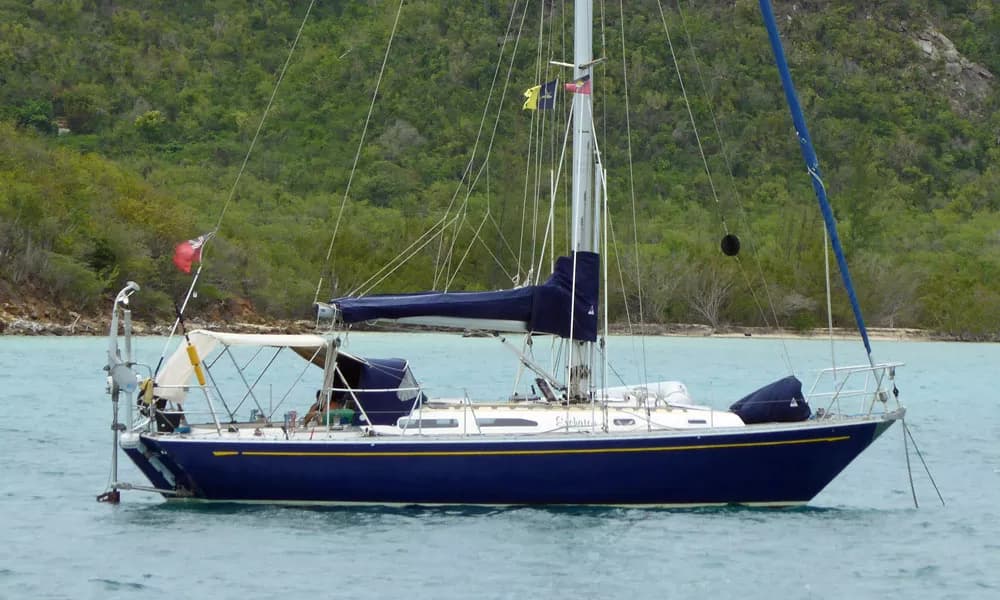
Flag-state safety rules and minimum equipment requirements for an unattended offshore yacht usually include an EPIRB, liferaft, VHF/DSC radio, and redundant steering and power systems — these items define the baseline logistics for any extended single-handed passage and must be verified before casting off.
Why experienced sailors choose single-handed passages
Seasoned skippers opt for solo sailing for a blend of practical and personal reasons. Practically, sailing alone removes the need to recruit compatible crew, coordinate watches, and pay for passage mates; it compresses logistic planning into a single accountable person who handles provisioning, maintenance, and decision-making. On the personal side, single-handed cruising rewards a sailor with self-reliance, sharper navigational skills, and an unmediated relationship with wind, tide, and weather.
Handling a large yacht alone requires mastery of sail trim, sail changes, anchoring, and emergency procedures. This mastery becomes a strong confidence booster and, for some, the only realistic route to competing in single-handed events or attempting long solo legs of a circumnavigation.
📚 You may also like
Typical single-handed route example
Historic passages demonstrate the planning intensity required. One practical multi-hop route taken by a solo skipper with a Nicholson 32, Jalingo II, moved from Falmouth (UK) >>> Camaret (France) >>> Vigo (Spain) >>> Vilamoura (Portugal) >>> Gibraltar >>> the Balearic Islands and then back to the UK. Each stage required careful weather windows, night-navigation planning, and contingency berths.
Essential skills and on-board systems for solo work
Single-handed sailors must be proficient in a set of overlapping skill areas. Beyond sail handling and navigation, the solo skipper needs to be adept at maintenance, first aid, and long-range passage planning. A reliable autopilot, a robust communications suite (VHF/DSC, SSB or satellite), and AIS for traffic awareness are fundamental to safe single-handed operation.
Key skills list
- Seamanship: sail changes, heaving-to, reefing under load.
- Watchkeeping: managing sleep cycles and fatigue mitigation.
- Navigation: passage planning, pilotage, and electronic chart redundancy.
- Emergency response: man-overboard recovery, propulsion failure plans.
- Communications: routine check-ins with shore support, EPIRB use.
Redundancy and equipment checklist
| Category | Item | Purpose |
|---|---|---|
| Safety | EPIRB, liferaft, lifejackets | Distress signalling and survival |
| Navigation | Chartplotter + paper charts | Route tracking and backup |
| Communications | VHF/DSC, satellite comms | Shore check-ins, weather updates |
| Steering | Manual tiller or emergency rudder | Steer if autopilot fails |
| Power | Battery bank + charging redundancy | Autopilot and comms reliability |
Passage planning, shore support, and risk management
Serious single-handed offshore planning mirrors commercial passage preparation. A good plan maps waypoints, alternate anchorages, and safe havens; it defines weather windows using multiple forecast models; and it formalizes a shore-support routine for periodic check-ins and position reports. Shore support can be family, a club contact, or a professional weather router.
Manage human factors deliberately: adopt structured sleep strategies (polyphasic naps or scheduled rests), use jacklines and harnesses when on deck, and keep a daily maintenance checklist. For larger passages, consider a pre-departure gear audit and a written emergency plan kept in a waterproof sleeve near the companionway.
Practical watchkeeping tactics
- Use the autopilot with periodic manual steering to reduce fatigue and detect helm issues early.
- Program alarms for nearest-approach and course deviation on electronic plotters.
- Keep a concise log with times, course, weather changes, and any equipment actions.
Risks and rewards: a balanced view
The risks of single-handed sailing are tangible: fatigue, missed traffic in congested waters, and the compounding effect of equipment failure with no immediate crew assistance. Yet the rewards include rapid skill development, pure autonomy over passage decisions, and the psychological benefits of immersion in sea conditions without compromise. Many solo sailors describe this as a form of active meditation and personal challenge.
Quick pros and cons
- Pros: complete control, streamlined logistics, deep personal satisfaction.
- Cons: higher personal risk profile, limited capacity for simultaneous maintenance tasks, greater need for redundancy and shore support.
How this relates to chartering and coastal tourism
Single-handed techniques influence how boats are prepared for charter and how coastal itineraries are marketed. For owners and charter operators, fitting a vessel with reliable autopilot systems, clear safety briefings, and straightforward handling layouts makes a craft more attractive to renters who value independence—couples, small groups, and solo adventurers alike. For renters, understanding single-handed essentials helps when choosing a boat that suits skill level and intended activities like fishing, island-hopping, or day-sailing to beaches and marinas.
GetBoat always keeps an eye on news related to sailing and seaside vacations, because the platform understands what it means to enjoy great leisure and love the ocean; the service values freedom, energy, and the ability to choose your own course — allowing clients to find a vessel that fits preferences, budget, and taste. When planning a trip, use transparent listings that show make, model, and ratings so you can evaluate whether a vessel is suitable for more independent cruising or requires a skipper.
Highlights of this topic show that solo passages demand planning, stamina, and robust systems while offering unique rewards in resilience and skill. Experiencing a new location is always a multifaceted process where one learns about the culture, nature, the indescribable palette of local colors, its rhythm of life and also the unique aspects of the service. If you are planning your next trip to the sea, you should definitely consider renting a boat (boat rentals, rent a boat, rent a yacht), as each inlet, bay, and lagoon is unique and tells you about the region just as much as the local cuisine, architecture, and language GetBoat.com
Forecast: this topic has limited direct impact on the global tourism map but remains highly relevant to niche yachting markets and charter operators improving safety and accessibility. Start planning your next seaside adventure and make sure to book the best boat and yacht rentals with GetBoat before the opportunity sails away!
In summary, single-handed sailing combines strict logistical requirements — from redundant power and steering to EPIRB and liferaft availability — with deep personal rewards in self-reliance and seamanship. Whether you aim for a short coastal hop or a longer offshore leg, prioritize planning, redundancy, and shore support. Choosing the right yacht or charter—be it a cruiser for relaxed island-hopping or a performance craft for longer legs—affects your experience of beaches, lakes, gulfs, and marinas. Platforms that provide transparent listings, model details, and honest reviews make it easier to rent, charter, or even buy a vessel suited to your captaincy ambitions and recreational activities. Book with confidence and turn your ideas of sunseeker days, clearwater bays, fishing trips, and ocean passages into an actionable plan — book your next adventure today.


