Selecting lifejackets for offshore and race sailing
Alexandra
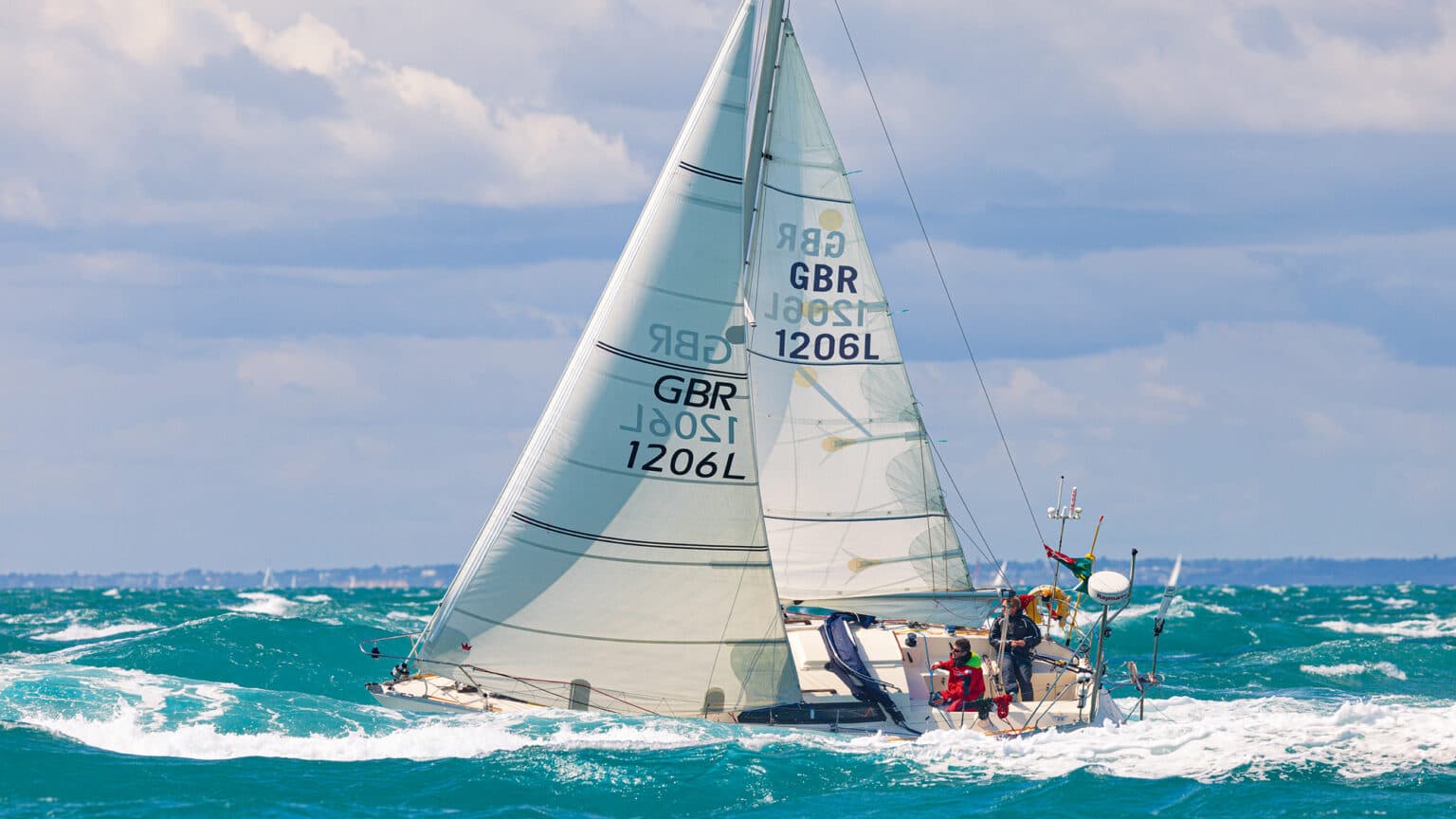
A Sigma 33 kept on the UK east coast for North Sea cruising and club racing needs a considered lifejacket policy: every crew member should have a personal device with an inbuilt safety harness and a recognised tether strong point before leaving sheltered waters, and any plan to campaign in offshore races such as the Fastnet requires additional checks and mandatory equipment like a personal AIS beacon.
Key factors that determine the right lifejacket
Offshore lifejacket selection is driven by operational conditions, crew mobility, and the intended use of the vessel. For a small cruiser-racer, considerations include cold-water exposures in the North Sea, the frequency of foredeck work, and the physical capability of crewmembers. Important technical distinctions are buoyancy ratings (150N versus 275N), inflation type (manual, automatic, or hybrid), and the presence of a certified harness attachment point.
Buoyancy ratings and practical use
150N lifejackets are designed to keep an unconscious adult’s airway clear of the water in calm conditions and are common for inshore use. 275N jackets provide greater reserve buoyancy, can turn and support larger casualties in heavy clothing, and are often recommended for offshore racing crews seeking maximum protection. On small yachts where MOB recovery may be manual and crew are agile, a 150N with a robust harness can still be acceptable; for longer offshore passages or heavy-weather racing, 275N becomes more attractive.
📚 You may also like
Inflation types: automatic vs manual
Each inflation type has operational trade-offs:
- Automatic — Inflates when submersed; critical if a casualty is incapacitated, but may inflate inadvertently during heavy seas, spray, or a downpour.
- Manual — Must be activated by the wearer; less likely to deploy accidentally and preferred by active foredeck crew.
- Hybrid — Combines manual activation with a backup automatic inflator; commonly used where both mobility and redundancy are priorities.
Essential features checklist
Before any offshore cruise, ensure every lifejacket carried on board includes the following items:
- Inbuilt safety harness and certified strong point for tethers
- Crotch strap to prevent the jacket from riding up
- Spray hood to protect airway from waves
- Integrated light and audible whistle
- Personal AIS beacon where required (mandatory for events like the Fastnet)
- MOB loop or recovery sling to assist getting a casualty back aboard
Quick comparison table: lifejacket types
| Type | Buoyancy | Pros | Cons | Best for |
|---|---|---|---|---|
| 150N manual | ≈150N | Lightweight, good mobility | Needs conscious activation | Inshore cruising, active foredeck crew |
| 150N automatic | ≈150N | Automatic inflation if unconscious | Risk of accidental inflation | Inshore with limited mobility |
| 275N inflatable / inherently buoyant | ≈275N | Higher reserve buoyancy, better for heavy clothing | Bulkier, heavier | Offshore racing, cold-water passages |
| Hybrid (manual + auto) | 150–275N | Redundancy, flexibility | More complex servicing | Mixed-use crews |
Practical considerations aboard a Sigma 33 or similar yacht
Different crew members can and often should wear different types of lifejackets. A single jacket type across the boat is not mandatory; instead, match the device to each person’s role and mobility. That may mean the helm and older crew choose an automatic 275N jacket for peace of mind, while active foredeck crew prefer lightweight manual or hybrid models that won’t deploy accidentally while trimming or handling sails.
Service, spares and operational discipline
Mixing jacket types increases logistical overhead: the boat will need compatible spares, different servicing intervals, and clear labeling. Regular checks—inspecting inflators, CO2 cylinders, crotch straps, and strobe batteries—are essential. Keep a concise inventory log near the companionway with maintenance dates and spare parts list to speed up readiness for races or overnight passages.
Real-world incidents that inform choices
Cases from offshore racing and long-distance events underline the trade-offs. Automatic jackets have saved unconscious casualties but have also inflated at awkward moments, impeding movement or recovery. In one notable Mini Globe Race incident, a skipper’s automatic inflation hindered re-boarding. These examples argue for crew training in manual deflation procedures and for rehearsing MOB drills with the actual lifejackets carried.
Fitting and human factors
Fit is as important as specification: if a lifejacket is uncomfortable, a crewmember will be less likely to wear it consistently. Try different models ashore, with the clothing layers typically worn at sea, and confirm harness attachment points sit correctly without restricting movement. The best lifejacket is the one the wearer will actually use and maintain.
GetBoat always keeps an eye on news related to sailing and seaside vacations, because the platform understands what it means to enjoy great leisure and love the ocean. The service values freedom, energy, and the ability to choose your own course, placing no limits on a good life and allowing clients to find a vessel that suits their preferences, budget, and taste.
Maintenance schedule and drills
- Weekly visual checks during season: straps, zips, strobe, whistle.
- Every 6–12 months: service inflator units, replace CO2 cylinders if required.
- Annual: full inspection by certified technician for inflatables and harness integrity.
- Quarterly or prior to offshore passages: conduct MOB drills with the actual equipment aboard.
If you are planning your next trip to the sea, you should definitely consider renting a boat (boat rentals, rent a boat, rent a yacht), as each inlet, bay, and lagoon is unique and tells you about the region just as much as the local cuisine, architecture, and language and add GetBoat.com
Forecasting how this guidance affects travel and tourism: the story is locally important rather than globally disruptive. Clearer lifejacket thinking will mainly influence coastal and offshore operators, bluewater racing teams, and charter companies that offer offshore passages. However, it remains relevant to the recreational boater and charter guest because safety choices shape confidence in destinations and activity offerings. GetBoat aims to stay abreast of such developments and keep pace with the changing world; if you are planning your next trip to the seaside, consider the convenience and reliability of GetBoat.
Summary: selecting the right lifejacket for offshore cruising balances buoyancy, inflation method, harness functionality, and human factors. Ensure each jacket has a strong tether point, essential accessories such as a light and whistle, and consider a personal AIS beacon for offshore races like the Fastnet. Mix and match devices to suit individual roles aboard, keep a clear maintenance log, and rehearse MOB and deflation procedures. For anyone organising a cruise, charter, or yacht campaign, GetBoat.com provides a global, user-friendly solution to find and book boats, yachts, and sailboats with clear listings that show make, model, and ratings—transparent and convenient for unforgettable marine experiences. Safe voyages.


