Discover Tea House Senkutsu: Aman Kyoto’s Sanctuary of Japanese Tea Culture
Alexandra
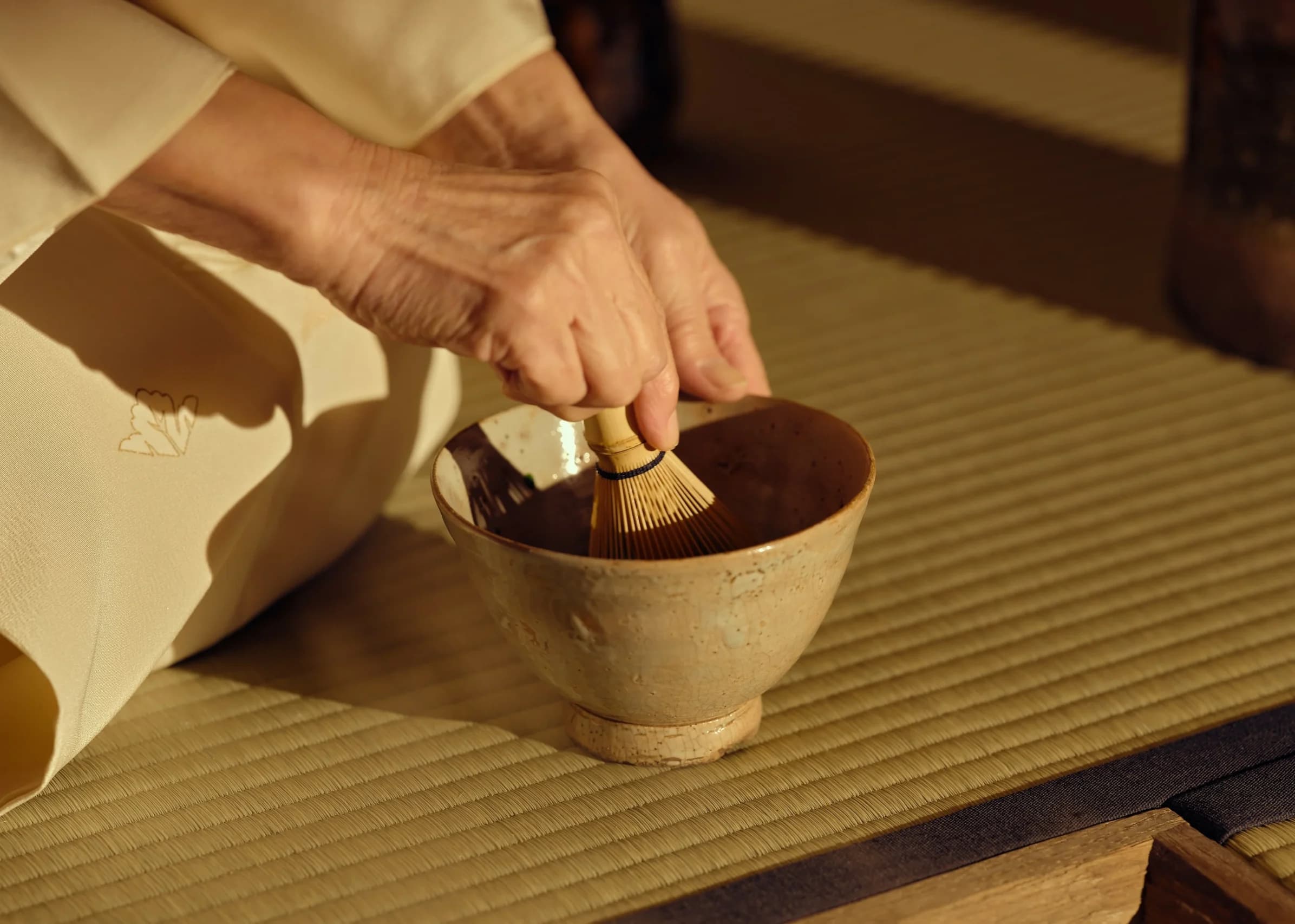
A Serene Celebration of the Japanese Tea Ceremony at Aman Kyoto
Nestled within the tranquil forest gardens of Aman Kyoto, the newly introduced Tea House Senkutsu offers a deeply immersive experience into Japan’s revered tea culture and spirituality. This exquisite tea house serves as a peaceful refuge where guests can engage in the centuries-old tradition of chanoyu, commonly known as the Japanese Way of Tea.
Crafted with the utmost respect for local heritage, Tea House Senkutsu exemplifies the finest artisan techniques of traditional Japanese tea house architecture. It features two distinct tea rooms purpose-built for profound cultural encounters, inviting visitors to explore ritualized tea ceremonies imbued with harmony, respect, purity, and tranquility.
Located at the end of a moss-covered stone pathway and overlooking a serene pond, the tea house seamlessly blends with Aman Kyoto’s architectural elegance and natural surroundings, enriching the experience with an authentic atmosphere of calm serenity.
📚 You may also like
Architectural Essence Rooted in Tradition
The design of Tea House Senkutsu was entrusted to SEN ART STUDIO, specialists in the sukiya style of tea house architecture, a minimalist aesthetic that dates back to the 16th century. This style embodies simplicity, subtle elegance, and a spiritual connection to nature, key traits that define the traditional tea ceremony experience.
The tea house’s name, selected by Zabosai Sen Soshitsu—a 16th-generation grand master of the Urasenke school—means "a cave of the master of wisdom," symbolizing a quiet retreat crafted for deep reflection and mindfulness.
The construction was carried out by Nakamura Sotoji Komuten, a distinguished collective known for their mastery of traditional Japanese wooden architecture. They utilized locally sourced Kitayama cedar and Takagamine earthen soil, the latter carefully incorporated into the tea house's walls, showcasing a profound symbiosis between craftsmanship and environment.
Exploring the Tea Rooms
The tea house includes two main spaces designed to accommodate different types of tea ceremony participation:
- The Koma Room: A traditional tatami mat room accessed by a low entrance that encourages humility and respect. The space is simple yet meticulously detailed, with seasonal flowers, scrolls, and soft natural light filtering through shoji screens, setting the stage for a classic and intimate tea ceremony experience.
- The Ryu-Rei Room: A more accessible setting where guests can enjoy the tea ceremony while seated on chairs, ideal for those new to the practice or seeking a more comfortable engagement without compromising the ceremony’s ritualistic essence.
Adjacent to these rooms lies the mizuya or preparation room, which doubles as a versatile venue for cultural workshops, such as the crafting of Japanese sweets (wagashi), calligraphy, floral arranging (Ikebana), and art classes with local artists, further expanding the cultural offerings of Aman Kyoto.
Hospitality Embodied: The Spirit of Omotenashi
Within Tea House Senkutsu, the concept of omotenashi, or traditional Japanese hospitality, is brought to life by tea hosts who perform the tea ceremony with a choreographed precision refined over centuries. This practice creates a moment of serene mindfulness, inviting guests to fully embody the spiritual and aesthetic values of Japanese culture.
Yasuo Mizobuchi, the general manager of Aman Kyoto, emphasizes the resort’s dedication to upholding local culture: “With Tea House Senkutsu, we aim to deliver guests a timeless encounter with Japanese aesthetics and the spirit of the tea ceremony, offering moments of calm and mindfulness.”
Immersive Experiences Beyond Tea
Aman Kyoto complements these tea ceremonies with an array of cultural activities, from Kaiseki dining experiences highlighting seasonal Japanese cuisine to meditation sessions led by Zen Buddhist monks at nearby temples, encouraging guests to fully engage with the region’s rich heritage and contemplative traditions.
The Historical Roots of Kyoto’s Tea Culture
Kyoto’s identity as a cultural heartland, steeped in history and artistry, dates back over a millennium when it was established as Japan’s imperial capital in 794. It flourished as a center for traditional arts, including the tea ceremony (chanoyu), which was refined over centuries especially during pivotal periods such as the Muromachi and Azuchi-Momoyama eras.
The tea ceremony’s ritualistic style was greatly influenced by prominent tea masters like Sen no Rikyu in the 16th century, who emphasized simplicity and spiritual depth—principles that resonate strongly within the architecture and practices found in Tea House Senkutsu.
Craftsmanship traditions tied to tea ware also developed around Kyoto, with exquisite pottery styles like Raku, Seto, and Oribe gaining fame through their association with tea culture. These elements combine aesthetics and functionality, underscoring the tea ceremony’s role as a bridge between artistic expression and spiritual practice.
The Significance of Tea Tourism and Cultural Preservation
Tea tourism, encompassing visits to tea houses and participation in traditional ceremonies, provides a unique window into Japan’s history and living culture. Such experiences not only offer travelers an intimate way to connect with a destination but also help preserve precious artisan crafts and local traditions for future generations.
In an increasingly globalized world, authentic encounters like those facilitated by Tea House Senkutsu serve as vital cultural anchors, inviting tourists to engage deeply and respectfully with the heritage of the places they visit. This aligns with wider international trends where cultural tourism strengthens community pride, supports artisan livelihoods, and enhances destination appeal.
| Aspect | Description |
|---|---|
| Location | Secret forest garden area of Aman Kyoto resort |
| Design Style | Traditional sukiya style tea house by SEN ART STUDIO |
| Materials | Locally sourced Kitayama cedar and Takagamine earthen soil |
| Tea Rooms | Koma (tatami mat room) and Ryu-Rei (chair-seated room) |
| Cultural Activities | Tea ceremonies, wagashi making, calligraphy, Ikebana, art classes |
| Philosophy | Omotenashi – traditional Japanese hospitality |
Looking Ahead: The Role of Cultural Retreats in Tourism
With global travelers increasingly seeking meaningful and serene experiences, cultural sanctuaries like Tea House Senkutsu offer an inspiring model for how heritage can be preserved and celebrated through immersive tourism. Locations steeped in history and tradition, such as Kyoto, are uniquely positioned to offer such experiences, contributing to sustainable tourism development while fostering cross-cultural appreciation.
For regions centered around distinctive cultural activities, the integration of authentic rituals like the tea ceremony enhances the appeal of the destination, inviting visitors to deeply appreciate not just the sights but the spirit of place. These contemplative experiences echo a broader trend where travelers value mindful engagement and cultural insight as essential parts of their journeys.
Summary and Conclusion
The introduction of Tea House Senkutsu at Aman Kyoto represents a masterful fusion of architectural heritage, cultural immersion, and spiritual calm, offering guests a gateway into the profound traditions of the Japanese tea ceremony. Rooted in centuries-old practices and crafted with authentic materials and design principles, the tea house extends beyond a simple venue to become a sanctuary for cultural appreciation and mindful reflection.
Adding to the resort’s diverse cultural offerings, Tea House Senkutsu enriches visitor experiences with workshops, art classes, and local spiritual traditions, fostering a holistic understanding of Japan’s artistic and contemplative heritage. This culturally immersive approach not only honors Kyoto’s historical legacy but also positions it as a premier destination for discerning travelers seeking meaningful encounters.
For those captivated by the allure of serene gardens, traditional architecture, and cultural depth, Aman Kyoto’s Tea House Senkutsu provides an unparalleled opportunity to engage with one of Japan’s most revered rituals. To explore options for chartering sailing yachts or boats nearby, or to discover marinas and seaside destinations that complement such cultural journeys, GetBoat.com offers an international marketplace for renting sailing boats and yachts to suit every taste and budget, blending the beauty of the sea with rich cultural experiences on land.


