Comparing Self-Tacking Headsail Systems and Charter Impact
Alexandra
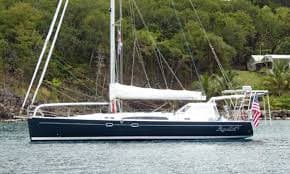
Many Mediterranean and Caribbean marinas now enforce strict foredeck clearance limits and require unobstructed anchor-handling zones; that regulation directly favors headsail arrangements that minimize swinging spars and reduce crew on deck—conditions that make self-tacking systems attractive for charter fleets and boat-rental operations.
From Club-Foot to Curved Tracks: How the Systems Differ
The oldest practical form of a self-tacking headsail is the club-footed staysail. In this rig a short spar—the "club"—is lashed to the foot of the sail and pivots on a deck fitting near the forestay. The clew is fixed to the end of the spar and a single sheet runs to a horse or padeye, allowing the whole assembly to swing across during a tack. This setup keeps the sail's foot flattened via a constant outhaul, giving reliable shape on a close-hauled course.
Designers later developed the curved track or boomless system: the clew attaches to a small car that slides along a radius-matched rail mounted forward of the mast. The car follows a pre-set arc, which enables the jib to self-tack without a heavy spar moving across the foredeck. Production cruising yachts adopted this widely because it clears the deck for anchor and mooring work and reduces the number of crew needed for sail handling—an advantage for many charter customers.
📚 You may also like
Why Tracks Can Be Problematic Off the Wind
When boats sail off the wind or on reaches, the geometry of a curved track often reveals its limitations. Without a physical boom to hold downward force—no equivalent of a vang—the clew tends to lift and move inward as the sheet is eased. The result is a baggy leech and an inefficient sail silhouette that spills drive when power is needed for open-water points of sail. Many crews attempt to correct this with tweakers or outboard leads that pull the clew down to the toe rail, but those add handling complexity and can limit the freedom of sheet lead positions.
The Hoyt Jib Boom: A Different Engineering Trade-Off
Garry Hoyt's jib-boom concept reintroduces a light, articulating spar to the headsail but refines it to overcome the old club-foot problems. The Hoyt design typically mounts a short boom with an articulating hinge and a geometry that keeps downward pressure on the clew as the sail moves off the wind. Unlike the heavy, low-swinging traditional club, the Hoyt boom can be engineered to minimize foredeck sweep and to be compatible with furling systems and slewing leads.
On paper and in practice, the Hoyt boom restores a controlled sail shape across a wider range of angles of sail, improving drive and pointing without requiring constant crew adjustments. For charter and rental boats where guest comfort and safety matter, the reduced need for crew on the foredeck is a practical advantage, provided the installation is robust and well-maintained.
Maintenance, Cost and Charter Suitability
Each system brings distinct logistic and economic implications for yacht owners and charter operators:
- Club-foot: Simple and proven but increases risk and may violate strict marina deck clearance rules.
- Curved track: Low-cost to install on production yachts, keeps the deck clear, but requires extra trimming tactics to maintain shape when eased.
- Hoyt jib boom: Better aerodynamic control off the wind, potentially higher upfront cost and more complex maintenance, but often more forgiving for inexperienced crews aboard rental boats.
| Feature | Club-footed | Curved Track | Hoyt Jib Boom |
|---|---|---|---|
| Foredeck obstruction | High | Low | Medium |
| Sail shape on a reach | Good | Baggy without tweakers | Good to excellent |
| Safety for crew | Risky | Safe | Safer if installed correctly |
| Installation cost | Moderate | Low | Moderate to high |
| Charter suitability | Poor | Excellent | Good |
Practical Setup Tips for Owners and Charter Operators
Decisions about headsail systems should factor in the target customer profile, maintenance resources, and marina constraints. Key considerations include:
- Compatibility with existing furling gear and how the clew attaches during reefing.
- Availability of parts and the service network for more complex boom mechanisms.
- Training for charter skippers and briefings for bareboat renters to avoid improper handling that could damage the sail or hardware.
- How the system affects on-board activities: a clear foredeck eases anchor and mooring tasks for inexperienced crews.
Operational Benefits for Rentals and Charter Guests
For the rental market, the ability to deliver a stable headsail shape with minimal crew input translates to smoother, safer guest experiences. A well-chosen self-tacking arrangement can allow couples or small groups to sail short-handed without constant trimming, keeping attention on exploring bays, coves, and marinas rather than on complex sail handling. GetBoat always keeps an eye on news related to sailing and seaside vacations, as we truly understand what it means to enjoy great leisure and love the ocean. The GetBoat service values freedom, energy, and the ability to choose your own course. The service places no limits on a good life, allowing clients to find a vessel that suits their preferences, budget, and taste.
Planning Ahead: Impact on Tourism and Charter Prep
The technical choice between track, club, or Hoyt-style headsails has only modest global effect on tourism maps, but it matters locally for charter operators and destinations that prioritize guest safety and rapid turnover. However, it's still important to us since GetBoat aims to stay updated with all developments and keep pace with the changing world. Start planning your next seaside adventure and make sure to book the best boat and yacht rentals with GetBoat before the opportunity sails away! If you are planning your next trip to the sea, you should definitely consider renting a boat (boat rentals, rent a boat, rent a yacht), as each inlet, bay, and lagoon is unique and tells you about the region just as much as the local cuisine, architecture, and language and also the unique aspects of the service. GetBoat.com
Summary: Choosing between a club-foot, curved track, or a Hoyt jib boom is a trade-off among safety, cost, sail shape and maintenance. For charter operators the curved track remains popular for its deck-clearing simplicity while Hoyt booms deliver better sail control for reaching and broad-reaching conditions. Owners should weigh retrofit costs, marina regulations, and crew skill levels before committing. Ultimately, whether you’re booking a yacht, planning a charter, or comparing a boat for sale, understanding these systems improves decisions about sailing, captain requirements, cruising destinations and shore activities. GetBoat.com supports these choices by offering a transparent global marketplace for yacht and boat charter, sale and rent—helping match vessels to budgets and tastes so you can enjoy the sea, lake or gulf with confidence. Book now and set your own course.


