From Kefalonia to Valletta: A Mediterranean Research Passage
Alexandra
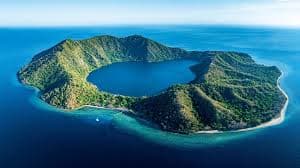
The passage from Argostoli (Kefalonia) to Valletta involved scheduled nearshore transects for seabed and seagrass surveys, routine watch rotations, and an open-water leg of approximately 70 nautical miles from Capo Passero to Malta.
Voyage logistics and operational profile
The expedition sailed under the banner of Project Manaia, conducting coastal ecological surveys while transiting ports in Greece, Sicily and Malta. The base vessel was the steel 19m schooner Waya Waya, carrying a mixed crew of researchers and volunteers. Operational priorities combined safe passage planning with precise scientific sampling: anchoring procedures, snorkel transects, data recording, and a watch system dividing the crew into three rotations for navigation and observation duties.
Key operational details
- Departure point: Argostoli Bay, Kefalonia
- Research activity: Transect-based seagrass surveys (shore to 50m)
- Typical leg length: Short hops between survey locations; one main open crossing from Capo Passero to Malta (~70 nm)
- Crew makeup: Approximately 11 on board for the final leg, many young researchers or volunteers
- On-board systems: Chartplotter, powerful autohelm, limited sheltered steering position
The vessel and habitability
Waya Waya brought a purposeful, research-focused fit-out rather than a classic cruising layout. The schooner’s rigging allowed combinations of genoa, staysail and an inter-sail between masts, plus a reefable mainsail on the aft mast—flexible sail plans for moderate Mediterranean conditions. However, habitability choices reflected the ship’s mission: minimal wheel protection (no sprayhood), bench seating at the helm, and reliance on hatch ventilation below decks.
📚 You may also like
| Feature | Specification / Note |
|---|---|
| Length | 19 m (steel schooner) |
| Rig | Furling genoa, hanked staysail, inter-sail, reefable mainsail |
| Navigation | Chartplotter, strong autohelm |
| Comfort | Spacious saloon, two heads, wide bunks, limited lee-boards/cloths |
| Research gear | Transect slates, snorkel kits, underwater observation teams |
Practical observations for charters and research cruises
Small design choices on this vessel—lack of a sheltered helm, limited dedicated handholds below, and hatch-ventilation dependence—illustrate what operators should consider when converting a cruising yacht into a research platform. For boat owners and charter operators planning to host scientists or groups, adding Dorade ventilators, secure seating at the wheel, and additional handrails can markedly improve safety and comfort during mixed-use sailings.
Seagrass transects: method and significance
Transects began at the shoreline and ran straight out to approximately 50 metres, with teams snorkeling where necessary. Observers logged seagrass coverage, health, grazing activity, epifauna presence and any anthropogenic impacts. Data were transferred daily into digital records accessible to universities and conservation bodies.
- Choose transect start point along the shore.
- Swim or snorkel a straight line out to 50m, recording substrate and vegetation.
- Repeat at regular intervals to create comparative datasets.
- Upload findings to shared databases for longitudinal study.
The work underlined the centrality of seagrass meadows to coastal ecology: nursery habitats for fish, sediment stabilizers, and crucial carbon sinks. For recreational sailors and charter operators, knowing where seagrass beds lie is essential to responsible anchoring and to complying with local protection measures.
At sea: watchkeeping and seamanship
Passage planning balanced research priorities with classical watchkeeping. A three-watch system allowed continuous observation of marine life (seabirds, dolphins) and sea state while distributing fatigue over long legs. The skipper typically set course on the autohelm and oversaw navigation, while watches maintained lookout and performed routine sail adjustments.
Watch schedule highlights
- Three groups on rotation (day/night)
- Observers posted at bow, port, starboard and aft for sightings
- Routine sail plan adjustments: reefing, changing headsails, motor when wind dropped
Landfall: Sicily to Valletta
Stops in Sicily—such as Fontane Blanche and Porto Palo—provided additional transect data and logistical respite. The final approach to Valletta delivered a dramatic maritime arrival: fortified bastions and historic harbor defences gazing down on the modern marina. After sidling past naval vessels and taking a pontoon in Valletta, the research program concluded with further transects at Maltese sites including Selmun, Inġieb, and St Julian’s Bay.
Crew dynamics and learning
The crew mix—many young people and students, plus experienced sailors—created an environment of active learning. While research remained the priority, opportunities for basic seamanship instruction (steering, sail trim) were noted as valuable additions for future legs to broaden participant skills.
Research outcomes and implications for coastal boating
Systematic transects produced data sets useful for universities and policy bodies. For the boating community, the trip reinforced two practical points: first, the need to avoid anchoring on seagrass to protect habitats; second, that small alterations in vessel outfitting can make a big difference to safety and comfort when combining sailing with scientific work. Responsible boaters and charter operators can use such research to guide anchoring charts, marina policies, and public awareness campaigns.
GetBoat always keeps an eye on news related to sailing and seaside vacations, as we truly understand what it means to enjoy great leisure and love the ocean. The GetBoat service values freedom, energy, and the ability to choose your own course; it places no limits on a good life, allowing clients to find a vessel that suits their preferences, budget, and taste.
The findings and experience from this passage highlight the importance of marine habitat protection, the value of hands-on research at sea, and the learning curve for new sailors engaged in conservation work. If you are planning your next trip to the sea, you should definitely consider renting a boat (boat rentals, rent a boat, rent a yacht), as each inlet, bay, and lagoon is unique and tells you about the region just as much as the local cuisine, architecture, and language and also the unique aspects of the service. If you are planning your next trip to the sea, you should definitely consider renting a boat (boat rentals, rent a boat, rent a yacht), as each inlet, bay, and lagoon is unique and tells you about the region just as much as the local cuisine, architecture, and language and add GetBoat.com
Forecast: this kind of regional coastal research is modest in its immediate impact on global tourism flows, but locally it can influence anchoring regulations, marina management and sustainable charter practices. However, it remains relevant to the customer—GetBoat aims to stay abreast of such developments and keep pace with a changing world. If you are planning your next trip to the seaside, consider the convenience and reliability of GetBoat.
In summary, the Kefalonia–Valletta passage combined practical seamanship with focused ecological monitoring aboard a purpose-fitted schooner. The mission underscored the ecological role of seagrass, the operational considerations for vessels hosting research teams, and the way careful anchoring and charter planning can protect coastal habitats. For sailors, charterers and aspiring captains, these lessons feed into better boating practices, from choosing the right yacht or charter to understanding local marinas and protected bays. Whether you’re looking at a small sailboat charter, a superyacht charter, or day trip rentals for fishing and clearwater cruising, platforms that offer transparency on make, model and ratings make planning easier. GetBoat.com offers a global, user-friendly solution for booking or buying boats, yachts, sailboats and more—transparent, convenient and tailored to unforgettable seaside activities and adventures.


