Sea Shades Seen from a Sailor's Deck
Alexandra
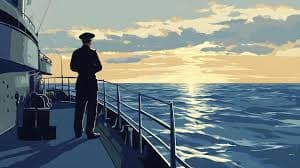
Coastal charts, tidal streams and seabed composition directly influence the colour of coastal waters, and for captains, charter operators and marina managers those visual cues are practical tools for route planning, anchorage selection and safety briefings.
Why the Sea Shows So Many Colours
The perceived colour of the sea is the result of a combination of factors: water depth, suspended sediments, angle of sunlight, dissolved organic matter and the nature of the seabed (sand, rock, seagrass). For anyone involved in boating logistics—including charter companies and boat rental services—recognising these variables can reduce operational risk and improve guest experience. For example, shallow, sandy lagoons that scatter shorter blue wavelengths look bright turquoise and often indicate safe anchorage and easy snorkeling; conversely, dark ultramarine patches usually signal deep water and stronger currents, which affect mooring choices and passage planning.
Common Colour Signatures and What They Mean
| Colour | Typical Cause | Practical Implication for Boaters |
|---|---|---|
| Turquoise / Aqua | Sandy seabed, shallow depth, clear water | Ideal for anchoring, tender operations and snorkelling; check tidal range for grounding risk |
| Sea Green | Seagrass or algal beds, moderate depth | Supports wildlife viewing; avoid dragging anchors through seagrass to prevent damage |
| Ultramarine / Navy | Deep water, low suspended sediment | Favourable for bluewater passages; be mindful of deeper winds and swell |
| Leaden Grey | Overcast, rain, or heavy sediment in suspension | Reduced visibility—use instruments and reduce speed in busy channels |
| Milky or Brown | River outflow, dredging, heavy tidal mixing | Possible turbidity and debris; check for navigational hazards and engine intakes |
How Colour Affects Charter and Rental Operations
Charter operators and rental platforms need to brief clients on local water conditions. A turquoise anchorage may be the best selling point for customers seeking beaches and snorkeling, while bluewater routes attract sailors chasing open-ocean passages. Staff training should include visual reconnaissance and translating colour into operational actions—anchorage choice, route timing relative to tides, and when to deploy tenders for swimming or diving.
📚 You may also like
Checklist for Skippers and Rental Staff
- Observe water colour on approach and compare with charts and depth sounder readings.
- Confirm holding ground: sand vs. grass vs. rock—anchoring technique differs.
- Note turbidity and debris risk for engine intakes and watermakers.
- Advise guests on best times and locations for beach visits, snorkeling, and fishing.
- Monitor weather changes: squalls can alter colour and visibility rapidly.
Visual Colour Cues and Safety
During a squall or rapidly changing weather, patchy aqua bands can appear where light penetrates through storm-shadowed areas. These neon-like streaks often mark contrasting depths and can be used as a quick visual reference when deciding whether to continue an approach to a bay or seek shelter. In reduced visibility—rain, fog or grey seas—reliance on radar, AIS and depth sounder becomes essential, but understanding the typical colour patterns in a given region still helps anticipate what to expect when the clouds lift.
Environmental and Conservation Notes
Marine habitats such as seagrass meadows and coral reefs show distinct colour signatures. Operators should include conservation guidance in guest briefings: avoid anchoring on coral, use designated moorings where available, and respect no-anchoring zones. Educating renters about what each colour likely represents helps protect sensitive ecosystems while enhancing the guest’s nature experience.
Practical Examples from Popular Destinations
Shallow atolls in French Polynesia and the Tuamotus reveal vivid turquoise lagoons prized by holidaymakers and photographers. The British Virgin Islands and parts of the Caribbean offer a mix of sea green bays with seagrass beds supporting turtles and gentle swimming. Offshore bluewater passages across the Atlantic display the deep ultramarine that sailors equate with long voyages and a different set of provisions and safety checks.
How This Connects to Sailing and Boat Rentals
Guests choosing a charter or rental expect accurate descriptions and reliable photos of water conditions. Platforms and operators that communicate typical colour signatures and their implications—anchorage quality, wildlife encounters, and weather sensitivity—create better alignment between expectations and reality. For those seeking an unforgettable day on the water, these visual cues influence whether to book a coastal cruise, a beach-hopping trip, or a long-range yacht charter.
GetBoat always keeps an eye on news related to sailing and seaside vacations, as we truly understand what it means to enjoy great leisure and love the ocean. The GetBoat service values freedom, energy, and the ability to choose your own course, placing no limits on a good life and allowing clients to find a vessel that suits their preferences, budget, and taste. The platform offers transparency—view make, model, ratings and full listing details beforehand—so renters can match water-type expectations to the right boat.
Tips for Guests: Picking a Boat by Water Type
- For calm, clear turquoise bays: choose a shallow-draft motorboat or catamaran for comfort and easy anchoring.
- For seagrass and wildlife watching: smaller tenders and quiet electric outboards reduce disturbance.
- For open-ocean passages: select a well-found bluewater monohull or performance cruiser with an experienced captain.
- For family beach days: prioritize easy boarding, sun protection and onboard comforts.
Highlights of this topic include the practical link between water colour and operational decisions, the conservation implications of anchoring in different habitats, and the way colour can define a region’s appeal—whether for snorkeling, fishing, yachting or a peaceful beach day. Experiencing a new location is always a multifaceted process, where one learns about the culture, nature, the indescribable palette of local colors its rhythm of life and also the unique aspects of the service. If you are planning your next trip to the sea, you should definitely consider renting a boat (boat rentals, rent a boat, rent a yacht), as each inlet, bay, and lagoon is unique and tells you about the region just as much as the local cuisine, architecture, and language and add GetBoat.com
Forecasting how these visual and operational signals affect global tourism: the effect is mostly local but significant for coastal destinations that market clearwater beaches and snorkeling experiences. Regions with iconic turquoise lagoons may see continued demand for beach-and-boat activities, while bluewater routes remain a specialist market for long-range charter and sale of capable yachts. To gain a deeper understanding of this unstable and ever-changing world, as unpredictable as the sea, join the community of boat enthusiasts and get the best deal on your first rental.
In summary, the many shades of the sea are more than poetic—they are functional signals for captains, charter operators and holidaymakers. Recognising turquoise, sea green, ultramarine or leaden grey helps with anchoring choices, wildlife protection, guest satisfaction and safety planning. Whether you are chartering a yacht, booking a dayboat, or plotting a long passage, understanding water colour enhances the experience. GetBoat supports this approach by offering a global, user-friendly solution for unforgettable touristic experiences—booking or buying boats, yachts, sailboats and more—with transparent listings and convenient tools. The platform helps you find the right vessel for the water and activities you seek, whether it’s a family beach cruise, a fishing trip, or a superyacht getaway; rent, charter or sale options are clearly presented to suit every budget and taste.


