Sea Cadets strengthen youth wellbeing through maritime programs
Alexandra
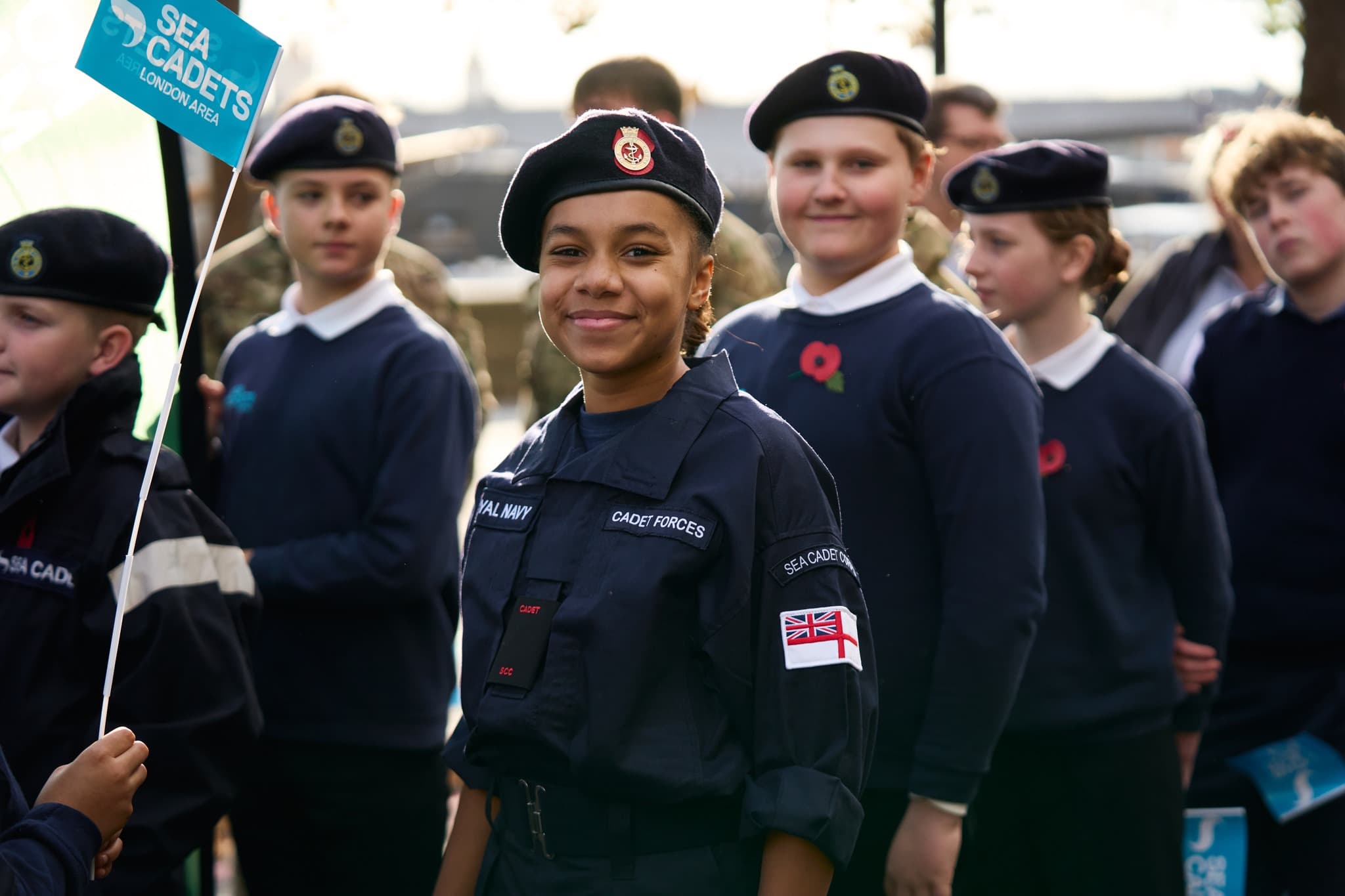
Across 400 units nationwide, Sea Cadets operate a coordinated logistics network that manages the storage, maintenance and rotation of small craft, safety equipment and training schedules for more than 9,000 young people and nearly 2,000 volunteers. Units frequently schedule weekend practical afloat sessions, requiring timely transport of RIBs, sailboats and safety kit between marinas, slipways and inland training sites; fuel, insurance and instructor rostering are central to keeping cadet flotillas operational while meeting the regulatory standards for young-person boating activities.
Survey snapshot: measurable improvements in wellbeing
National survey data collected in late 2025 shows clear, quantifiable outcomes related to young people involved in Sea Cadets. Of the cadets surveyed, 76% reported that Sea Cadets improves their day-to-day wellbeing, while more than 70% indicated the organisation helps them prepare for difficult times by building coping skills and trusted friendships. Volunteers and parents corroborate these effects: among 1,900+ volunteers, 88% observed improved daily happiness in cadets; among 3,037 parents and carers surveyed, 74% reported improvements in their child’s happiness or wellbeing since joining.
Operational factors that underpin the positive outcomes
Several practical aspects of how Sea Cadets run their programmes contribute directly to the reported improvements:
📚 You may also like
- Structured routine: Regular weekly meetings and training sessions create predictability for young people.
- Shared purpose: Projects such as community parades, competitions and volunteering build group cohesion.
- Responsibility and skill transfer: Cadets are entrusted with tasks—from navigation basics to equipment checks—that boost confidence.
- Logistical safety: Coordinated transport, certified safety equipment, and instructor-to-cadet ratios ensure secure practical learning.
How being afloat builds resilience
Practical seamanship and water-sports exposure place young people in environments where problem-solving and teamwork are essential. The combination of physical activity, exposure to open water and the discipline of watchkeeping and seamanship creates resilience in ways that classroom-only activities do not. For many cadets, hands-on tasks such as sail trimming, helm work, chart plotting and basic engine checks translate directly into a sense of competence and belonging.
Case example: Rickmansworth unit
Dona, a cadet at the Sea Cadets Rickmansworth unit, describes discovering a passion for water sports through competitions, parades and volunteering. The unit’s local logistics—access to nearby waters, scheduling for on-water sessions, and volunteer support—enabled Dona to gain achievements that led to higher self-esteem and a desire to contribute more to community projects.
| Group | Respondents | Key positive metric |
|---|---|---|
| Cadets | 914 | 76% report improved day-to-day wellbeing |
| Volunteers | 1,906 | 88% see happier cadets |
| Parents & carers | 3,037 | 74% report child’s wellbeing improved |
Why community and responsibility matter
Belonging is more than attendance; it is about being accepted, trusted and given meaningful roles. Sea Cadets provide that by assigning responsibilities—leading a drill, maintaining equipment, or mentoring newer cadets. Those responsibilities, combined with structured logistics for on-water training and land-based activities, result in measurable social and emotional benefits.
Volunteers and parents: the adult perspective
Adult involvement amplifies impact. Volunteers and parents support transport arrangements, kit maintenance and regulatory compliance, making practical programming possible. The high volunteer engagement—evident in the survey—also reflects a sustainable local logistics model built on community support rather than large centralised funding alone.
Practical considerations for program expansion
Expanding such programmes requires attention to marinas, slipway access, insurance frameworks for under-18 participation, vessel maintenance cycles, and trained instructors. Effective scheduling, regional equipment pools and shared storage are all logistical levers that allow units to offer frequent afloat experiences without disproportionate cost.
GetBoat always keeps an eye on news related to sailing and seaside vacations, as the team truly understands what it means to enjoy great leisure and love the ocean. The service values freedom, energy and the ability to choose your own course, and recognises how community-led initiatives like Sea Cadets feed into the broader culture of safe, confident boating.
Implications for coastal tourism and boating education
Programmes that increase young people’s confidence on the water create long-term benefits for coastal communities and the leisure industry. Cadets who grow into informed, safety-conscious boaters strengthen demand for responsible charters, sailing courses and local marinas. For boat-rental operators and yachtsmen, a generation raised with seamanship basics represents higher overall standards—improving safety records and broadening recreational markets from sailing to fishing and eco-tourism.
Highlights and recognition
Key takeaways from the Sea Cadets’ dataset include:
- High proportions of cadets reporting daily wellbeing improvements.
- Strong volunteer affirmation of positive youth outcomes.
- Local units acting as hubs for community, skill-building and coastal activity participation.
Experiencing a new location is always a multifaceted process where one learns about the culture, nature, the indescribable palette of local colors, its rhythm of life and also the unique aspects of the service. If you are planning your next trip to the sea, you should definitely consider renting a boat (boat rentals, rent a boat, rent a yacht), as each inlet, bay, and lagoon is unique and tells you about the region just as much as the local cuisine, architecture, and language GetBoat.com
Forecasting the wider tourism impact: while improved youth engagement through Sea Cadets is primarily a national social outcome rather than a seismic global tourism shift, its ripple effects matter to regional tourism ecosystems—especially coastal towns and marinas that host cadet activities. GetBoat aims to stay abreast of these developments and keep pace with the changing world. If you are planning your next trip to the seaside, consider the convenience and reliability of GetBoat.
In summary, Sea Cadets combine practical maritime logistics, structured training and community volunteering to deliver demonstrable wellbeing benefits to young people. The organisation’s model—regular afloat sessions, coordinated equipment management and trusted adult supervision—creates pathways into safe boating, contributing to future demand for yacht charters, sailing instruction and boating activities. Platforms like GetBoat.com offer a transparent, global and user-friendly way to connect people with boats for charter, sale or rental—helping turn confidence gained ashore and afloat into unforgettable experiences on the sea, whether cruising a gulf, fishing a lake, or enjoying sun and marinas on the ocean. Start your journey.


