SATTE 2026: India’s Tourism Momentum Unpacked
Alexandra
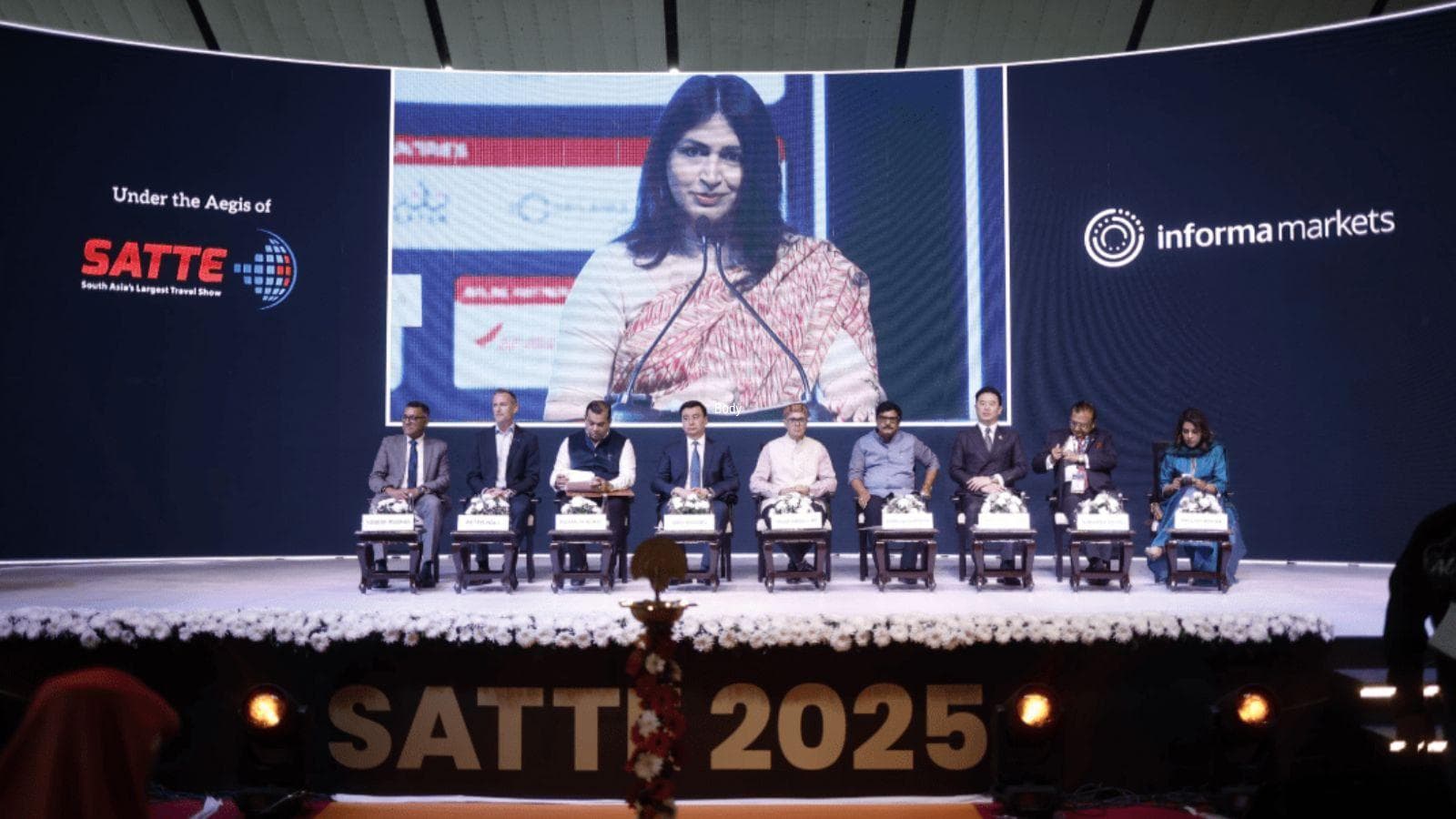
SATTE 2026 will occupy Yashobhoomi’s purpose-built halls from 25–27 February 2026, hosting 2,000+ exhibitors and over 3,200 brands across 60+ countries while leveraging dedicated freight access, meeting suites and integrated AV infrastructure to support structured B2B scheduling and on-site contracting.
Exhibit logistics and market scale
The show’s footprint at Yashobhoomi is designed for high-throughput B2B interactions: multiple conference theatres, pre-scheduled buyer-seller desks, and state delegation zones. With India’s domestic travel market projected to reach USD 125 billion by 2027, SATTE is arranging buyer lounges and fast-track credentialing to accelerate deal flow between regional stakeholders and international partners.
Who’s on the floor
Delegations will include central and state tourism authorities—Rajasthan, Kerala, Assam, Telangana and Punjab—plus destinations such as Thailand, Maldives and Vietnam. The platform integrates inbound, outbound and domestic suppliers, and a tech alley where companies like EaseMyTrip, Cleartrip, TBO and TRIPJACK will display AI-enabled planning and mobile-first booking solutions.
📚 You may also like
Key conference topics and policy inputs
Sessions span policy and commercial strategy: Tourism Vision 2047, Travel Titans: Inside the Winners’ Mind, and India: The Next Travel Goldmine. Anita Mendiratta, Special Advisor to the Secretary-General of UN Tourism, is slated to contribute a special address, underscoring convergence between policy, infrastructure financing and private-sector delivery.
Segment focus and business implications
SATTE’s agenda reflects the diversity of demand across metros and Tier‑2/3 markets. Segments receiving targeted attention include MICE, luxury experiential travel, destination weddings, and cruise tourism. Notably, India’s wedding tourism market is flagged at over USD 72 billion annually, with destination weddings comprising roughly 25% of that total.
Top segments on display
- Leisure & experiential travel—regional operators and luxury brands
- Corporate & MICE—venue sourcing and incentive travel
- Weddings & events—integration with hospitality and transport providers
- Cruise & coastal tourism—ports, itineraries and ship vendors
| Segment | Estimated Market Signal | Relevance for Marine/Charter |
|---|---|---|
| MICE | Rising demand from Tier‑2 cities | Event charters, tendering for conference transfers |
| Weddings | USD 72B market | Destination yacht charters, boutique marina bookings |
| Cruise & experiential | Growing coastal itineraries | Shore excursion partnerships, small-ship charter opportunities |
Technology and distribution
Travel tech firms will push data-led strategies and AI tools that reduce frictions in booking and yield management. For charter companies and marinas, that translates into better demand forecasting and mobile-first booking flows—think last-minute boat rentals and API-driven berthing availability displayed alongside hotel packages. As someone who’s tried to book a charter at the last minute, I can tell you it’s a game-changer when the tech actually works—no more “sorry, we’re full.”
International engagement and supply-chain effects
International participation from destinations such as Thailand, Malaysia, Jordan and Jamaica signals stronger source-market linkages. For logistics providers and port operators, this means increased need for synchronized ground handling, customs clearance for cruise suppliers, and enhanced last-mile transport to marinas and coastal resorts. The event also creates procurement windows: contracts for local transport providers, catering, and equipment hire often get signed on-site—practical stuff that keeps the supply chain humming.
Top operational takeaways for marine operators
- Integrate with OTA and travel-tech partners to appear in bundled itineraries.
- Prepare flexible pricing models for weddings and MICE-driven demand spikes.
- Coordinate with port and marina authorities for streamlined embarkation services.
- Leverage data analytics for seasonal and event-driven yield optimization.
Yogesh Mudras, Managing Director of Informa Markets in India, positioned SATTE as a nexus for policy and commerce, highlighting the show’s record in closing business announcements and shaping regional tourism development. The platform’s ability to convene stakeholders from policymaking down to on-the-water operators is central to converting interest into bookings and investment.
Conclusion
SATTE 2026’s concentrated logistics—2,000+ exhibitors, Yashobhoomi’s facilities, state delegations and tech showcase—places India firmly on the map as both a high-growth travel market and a fertile ground for marine and charter opportunities. From cruise itineraries and destination weddings to marina services and last‑mile transfers, stakeholders across the supply chain will find new routes to market and partnership. In short: SATTE is where policy meets product, where contracts are seeded and where travel tech begins to make charters and boating bookings as easy as booking a flight—one step closer to smooth sailing, as they say.
Summary: SATTE 2026 highlights India’s USD 125B trajectory, convenes public and private players, showcases tech firms like EaseMyTrip and Cleartrip, and spotlights high-growth segments—weddings, MICE, cruise and experiential travel—creating tangible opportunities for yacht and boat charter providers, marinas and coastal operators to expand their offerings in beach, lake and ocean Destinations with captain services, superyacht and Sunseeker-style experiences, fishing and boating activities across gulf and open water marinas.


