San Diego–Vallarta Race Faces Uncertainty
Alexandra
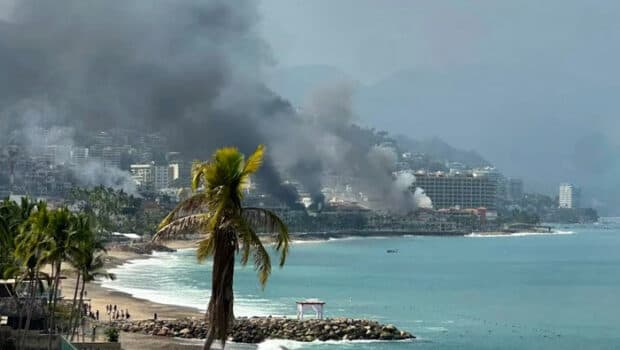
The 1,000 nm San Diego to Puerto Vallarta race retains its staggered starts on February 26, 27 and 28, 2026, with 24 teams entered in boats from 33 ft to 73 ft, while the San Diego Yacht Club (SDYC) weighs a go/no‑go decision amid a surge of violence after the Mexican military action on February 22. The U.S. Department of State issued a travel warning on February 23 and several cruise lines have adjusted Puerto Vallarta calls — operational logistics for departure marinas and arrival berths are thus under active review.
Timeline and operational decisions
SDYC set a deadline for a race status update on February 24. Organizers are balancing race integrity against crew safety, port access, and insurance exposure. Staggered starts complicate turnaround times for race committees and support vessels; any cancellation or postponement would trigger a cascade of repositioning, berth rebooking, and transport logistics for chartered boats and visiting teams.
Key operational checkpoints
- Security assessment — on‑site intelligence and port authority briefings.
- Insurance confirmation — underwriters’ stance on coverage in affected regions.
- Port access — cruise line itinerary moves suggest potential berth restrictions.
- Support fleet readiness — chase boats, safety boats, and medevac options.
- Crew consent — skipper and crew willingness to sail under current advisories.
Travel advisories and regulatory implications
The U.S. Department of State advisory urges reconsideration of travel to parts of Mexico. Travel outlets such as Travel Off Path have published warnings citing volatile conditions. For organizers, such advisories trigger regulatory and liability questions: can the race proceed without voiding insurance clauses? Will charter contracts require amendments or cancellations?
📚 You may also like
Typical organizer contingencies
- Delay start windows by 24–72 hours while monitoring security updates.
- Alter finish location or route to avoid higher‑risk coastal areas.
- Offer refunds or rolling credits for charter clients and transient berth holders.
- Coordinate with local law enforcement and marina authorities on on‑the‑ground security.
Impact on competitors and the charter market
Twenty‑four teams, spanning production and high‑performance yachts, are on standby. Crews face last‑minute logistics: flights, customs, provisioning, and relocation of rented chase boats. For the charter and boat‑rental sector, the ripple effect is notable — canceled itineraries can depress summer bookings, while nearby marinas may see influxes of unscheduled berths.
| Item | Detail |
|---|---|
| Race distance | ~1,000 nautical miles |
| Start dates | Feb 26–28, 2026 (staggered) |
| Entries | 24 teams; 33–73 ft boats |
| Organiser | San Diego Yacht Club (SDYC) |
| Advisory | U.S. Department of State travel warning (Feb 23) |
Options for charter clients and renters
If you have a booked charter or are positioning a boat to participate, consider these steps:
- Contact your charter company or broker to confirm cancellation policies and force majeure clauses.
- Verify insurance cover for political violence or civil unrest exclusions.
- Keep alternate plans for nearby marinas or safe anchorages, and have emergency contact details at hand.
- Monitor official advisories and watch local media feeds for port‑side developments.
How this affects the broader sailing and rental scene
Puerto Vallarta is a high‑traffic destination for leisure boating, cruises, and sportfishing; itinerary shifts by cruise lines signal that commercial operators are already treating this as a material impact. For yacht owners, charter operators, and captains, the short term may bring tightened berth availability in safer ports, increased demand for domestic charters, and an uptick in insurance premiums for Mexico‑bound voyages. As the saying goes, better safe than sorry — prudent captains will plan for contingency and keep clear communication with charter clients.
Practical checklist for skippers and charterers
- Confirm crew documentation and emergency medical plans.
- Pre‑arrange alternative docking and fuel stops.
- Have evacuation and medical‑evacuation options mapped.
- Keep clients informed and offer flexible rebooking options.
Decision timing from SDYC will determine next steps: proceed with enhanced security measures, delay the starts, or cancel. Whatever the outcome, the operational fallout will include logistical rearrangements for marinas, charter fleets, and support services.
In summary, the San Diego–Puerto Vallarta race faces a near‑term decision driven by on‑the‑ground security after a high‑profile military action. Organizers must weigh travel advisories from the U.S. Department of State, insurance implications, and berth access while teams, captains, and charter operators manage transport, provisioning, and client communications. For the boating community — from yacht owners and superyacht managers to renters and charter brokers — this incident underscores the need for flexible plans, clear communication with guests, and attention to evolving port conditions. The situation will affect yacht charters, boat rent schedules, marina operations, and recreational activities across sea, ocean and gulf Destinations; think marinas, clearwater harbors, fishing trips, and sunseeker charters when you rebook.


