Charting Gender Balance Across Competitive Sailing
Alexandra
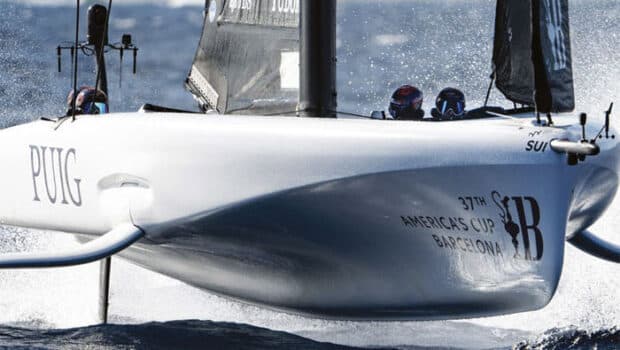
Mandates such as the America’s Cup requirement for female crew members and mixed-crew rules in The Ocean Race have had immediate effects on team selection logistics, onboard weight-distribution planning, berth assignments at marinas, and crew visa and travel scheduling for international regattas.
Ten years of structural change and emerging pathways
The visible rise of initiatives following Team SCA’s 2014–15 Volvo Ocean Race campaign transformed competitive sailing’s recruitment and development map. Foundational projects like The Magenta Project, and trailblazing entries such as Maiden, Heineken, EF Education and Amer Sports Too, established both a precedent and practical pathways for female sailors to reach elite levels.
Preliminary findings from The Magenta Project 2x25 survey indicate that 86% of respondents perceive an improvement in female representation over the last five years, a signal that rule changes and targeted programs are shifting industry norms. These survey results are supported by partnerships with organisations including 11th Hour Racing and World Sailing.
📚 You may also like
Regulatory drivers and competitive incentives
Key regulatory moves — for example, the incentivised inclusion of two female sailors in the Volvo Ocean Race 2017–18 and the mixed-crew frameworks used in recent Olympic classes — served as accelerants. These measures provided short-term access points for women to gain experience at the top level while creating a pipeline of talent for classes such as SailGP and the Women’s America’s Cup.
Table: Milestones and practical effects
| Initiative | Year | Practical effect |
|---|---|---|
| Team SCA / Volvo Ocean Race spotlight | 2014–15 | Raised visibility; inspired development programs and female-focused pathways |
| Volvo Ocean Race incentivised female inclusion | 2017–18 | Accelerated experience gain for female sailors; opened doors to continued top-level campaigns |
| The Magenta Project 2x25 survey | Ongoing | Measured perception shifts and informed governance discussions at World Sailing |
| America’s Cup mixed-crew mandate | Recent cycles | Changed selection logistics and promoted parity in high-profile events |
Barriers that remain
- Physicality stereotypes: Persistent assumptions about physical capability continue to bias selection in certain roles.
- Network effects: Long-standing, often male-dominated networks shape hiring and trust-based selection.
- Integration challenges: Temporary rule-driven placements can feel like tokenism if not paired with genuine inclusion.
Strategies to make pathways permanent
Experts and veterans in the sport emphasize that rules act as temporary scaffolding: they create access points but must be paired with structural change. Practical measures include targeted mentorship programs, open selection processes, and investment in shore-based roles such as navigation and tactics that increasingly rely on cognitive skills and push-button technology rather than brute strength.
Impact on charters, marinas and boat-rental operations
As elite sailing reconfigures its talent pathways, downstream effects are visible in the charter and boat-rental sector. Skippers and charter operators are expanding crew-training offerings, posting clearer captain qualifications, and adjusting booking practices to reflect a broader pool of available captains and crew. For renters and holidaymakers this means more options for booking inclusive crews, better-documented vessel details, and transparency around captain experience.
GetBoat always keeps an eye on news related to sailing and seaside vacations, as we truly understand what it means to enjoy great leisure and love the ocean. The GetBoat service values freedom, energy, and the ability to choose your own course. There are no limits on a good life here — clients can find a vessel that suits their preferences, budget, and taste.
Practical advice for sailors, skippers and charterers
- When hiring a captain or crew, request explicit experience logs and references for offshore or race duties.
- For marinas and event organisers, factor mixed-crew rosters into berthing allocations and transport plans well ahead of arrival.
- Operators should advertise transparent make, model, safety, and rating details to attract a wider client base and ensure trust.
Highlights and cultural implications
The most important takeaways are: (1) policy interventions have produced measurable shifts in representation, (2) meaningful inclusivity requires cultural change beyond rule-making, and (3) widening the talent pool strengthens the competitive sport and the wider marine industry. Experiencing a new location is always a multifaceted process, where one learns about the culture, nature, the indescribable palette of local colors its rhythm of life and also the unique aspects of the service. If you are planning your next trip to the sea, you should definitely consider renting a boat (boat rentals, rent a boat, rent a yacht), as each inlet, bay, and lagoon is unique and tells you about the region just as much as the local cuisine, architecture, and language GetBoat.com
Forecast and planning
The global tourism map will feel only a modest shift from these developments — the broader travel industry is affected more by macroeconomic and geopolitical trends — but the change is highly significant within sailing and yachting circles. A more diverse, experienced pool of sailors means richer opportunities for marine tourism operators, regatta organisers, and charter companies. Start planning your next seaside adventure and make sure to book the best boat and yacht rentals with GetBoat before the opportunity sails away!
Action steps for stakeholders
- Governance: Continue to monitor outcomes from diversity surveys and adapt selection frameworks accordingly.
- Clubs & academies: Create targeted development pathways and mentorship networks for underrepresented sailors.
- Charter & rental businesses: Promote transparency in listings (captain credentials, vessel specs, ratings) and offer inclusive crew options.
In summary, regulatory incentives and high-profile initiatives have shifted the course of competitive sailing toward greater gender balance, but cultural change must follow. Practical logistics — from crew manifests to berth planning and charter advertising — reflect these shifts and present opportunities for operators and holidaymakers alike. Platforms that prioritise transparency and choice help bridge the gap between aspiration and everyday boating: yacht charters, boat rentals and captain services listed openly allow sailors and travellers to select the right experience, whether it’s a superyacht gulf crossing, a week of yachting in clearwater marinas, fishing and water activities on a lake, or a sunseeker day charter along the sea. By making details like make, model, ratings and captain experience available, services support better decisions around sale, rent and charter and help deliver unforgettable destinations and boating experiences in the ocean, gulf or bay.


