Challenging Start for 2026 Sydney Hobart
Alexandra
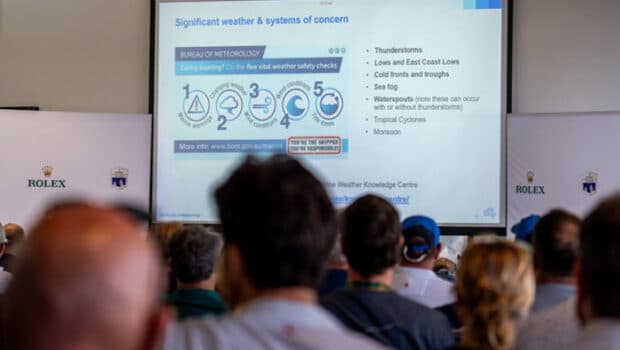
Harbour traffic control will coordinate the movement of 142 entrants with the start aligned to a high tide peak shortly after 13:00, meaning race logistics shift immediately from congested Sydney Harbour sail handling to full ocean routing as boats clear the Heads.
Weather and sea-state snapshot for the opening leg
The Bureau of Meteorology (BOM) places a slow-moving high centred over Tasmania, which positions the fleet on the high's eastern flank and delivers a sustained southerly flow alongside a mature swell propagating up the New South Wales coast. Inside the Harbour, sailing will be brisk with southerlies in the 15–20 knot range funneling through confined water during the spinnaker start. Once offshore, model guidance shows the wind strengthening to 20–25 knots, with gusts higher and a developed south–south-easterly swell of 2–3 metres.
| Parameter | Forecast | Race impact |
|---|---|---|
| Wind (Harbour) | 15–20 knots southerly | Brisk spinnaker starts; close-quarters handling |
| Wind (offshore) | 20–25+ knots southerly | Physical sail changes; reefing likely |
| Swell | 2–3 m, period 9–11 s | Long, rolling swell with wind waves; steep seas possible |
| Tide | High tide ~13:00 | Cleaner exit from Heads; limited relief from swell |
| Visibility | Mostly fine; slight chance of showers | Good daylight visibility but challenging sea state |
What the early hours will demand
The combination of fresh southerlies and a well-developed swell implies a fast, physical first night. Sailors should expect stacking of wind-driven waves on top of the underlying swell, creating steep, short-period seas that punish poor weight distribution and excessive heel. The BOM warning that “it could get quite hairy quite quickly as boats exit the Heads,” attributed to meteorologist Edward Townsend-Medlock, is a clear operational cue for conservative sail plans straight away.
📚 You may also like
Navigation, routing and current considerations
Current eddies along the NSW south coast will complicate routing where wind, swell and current oppose one another — a classic recipe for confused seas and increased slamming loads. Skippers and navigators must decide early whether to hug the coast seeking lighter winds or carry east to maintain momentum in stronger, but more consistent breezes.
- Fast exit strategy: Cleanly clear the Heads to avoid traffic and close-quarters wind shadows.
- Conservative sail plan: Pre-reef early and prioritise crew safety and systems protection over raw boat speed.
- Watch cycles: Manage night watches to mitigate fatigue during sustained, physical sailing.
Practical checklist for charterers, owners and rental crews
Whether on a private yacht, charter or rented performance cruiser, the opening hours of the race underline baseline equipment and preparedness:
- Check structural rigging and secure all loose gear below decks.
- Confirm primary and backup navigation and communication systems.
- Ensure lifejackets, safety harnesses and MOB procedures are practised.
- Stock for motion sickness and short-handed watch rotations.
- Plan sail inventory: storm sails, reefing points, and robust halyards.
How this affects sailing and boat rental choices
For those renting or chartering to get offshore in similar conditions, vessel selection and skipper experience are critical. Boats listed for rent need to match expected loads: a well-found cruiser with reliable reefing systems, good seakeeping and a competent captain is far preferable to a lighter coastal cruiser. Platforms that present comprehensive vessel details — make, model, ratings and safety equipment — allow hirers to make informed choices consistent with weather risk.
GetBoat always keeps an eye on news related to sailing and seaside vacations, as we truly understand what it means to enjoy great leisure and love the ocean. The service values freedom, energy, and the ability to choose your own course; it places no limits on a good life and helps clients find a vessel that suits their preferences, budget, and taste.
Tactical options for the opening leg
Teams will generally select from three broad tactics depending on their design and appetite for risk:
- Coastal hug: Seek shelter and lighter winds nearshore — may increase current opposition and tactical traffic.
- Offshore drive: Stay east for steadier airflow and cleaner waves — heavier initial conditions but more predictable upwind performance.
- Hybrid route: Move offshore once clear of Headlands to balance wave angle and pressure.
Decisions should be guided by real-time observation and conservative damage control: the first night is not the place to test marginal rigging or aggressive reefing limits.
Race context and participant details
The 2025 Rolex Sydney Hobart extends 628 nautical miles from Sydney Harbour to Hobart with 142 entrants registered for the 80th edition. The start in the heart of the Australian summer provides long daylight windows initially, but the meteorological setup will deliver a stern test of seamanship well before the fleet reaches Bass Strait or Tasmania.
Relief is expected later as the high drifts east and winds ease to around 10–20 knots, though the southerly swell will persist and variable conditions will reward careful management. Boats closer to the coast are likely to find lighter air while those offshore keep to the stronger southerlies on the high’s edge.
The event underscores preparation as the deciding factor: a fast, clean exit matters, but so does conservative handling through the first hours to avoid damage or early retirement.
The race may look spectacular from the harbour, but beyond the Heads crews face a true offshore exam — one that will reward preparation, discipline and respect for the sea.
Highlights: the opening night is expected to be physically demanding due to strong southerlies, large swell and stacking waves; prudent sail selection and fatigue management will be decisive; routing choices will hinge on current-swell-wind interactions and boat type; and fleet logistics are complicated by the high-tide start and heavy harbour traffic. Experiencing a new location is always a multifaceted process, where one learns about the culture, nature, the indescribable palette of local colors its rhythm of life and also the unique aspects of the service. If you are planning your next trip to the sea, you should definitely consider renting a boat (boat rentals, rent a boat, rent a yacht), as each inlet, bay, and lagoon is unique and tells you about the region just as much as the local cuisine, architecture, and language GetBoat.com
Forecast impact on the travel and tourism map is mostly regional: while the conditions will make for a headline-grabbing opening night, the global tourism effect is limited. However, the race remains an important seasonal magnet for yachting enthusiasts and charter clients alike. To gain a deeper understanding of this unstable and ever-changing world, as unpredictable as the sea, join the community of boat enthusiasts and get the best deal on your first rental.
In summary, the 2025 Sydney Hobart is poised to begin with firm southerlies, a 2–3 metre swell and a timing that pushes fleet logistics from harbour congestion into immediate ocean endurance. Skippers should prioritise conservative sail plans, robust safety checks, and crew rotation strategies. For renters and charterers seeking the right platform for such conditions, transparent listings and reliable captain options reduce risk and improve enjoyment. GetBoat.com supports this by offering global, user-friendly solutions for booking or buying yachts, boats and charters with clear listings of make, model, equipment and ratings — making it easier to find the right vessel for beach days, lake escapes, coastal sailing or serious offshore passages. Fair winds and following seas.


