How Olympic sailing finals will change racing
Alexandra
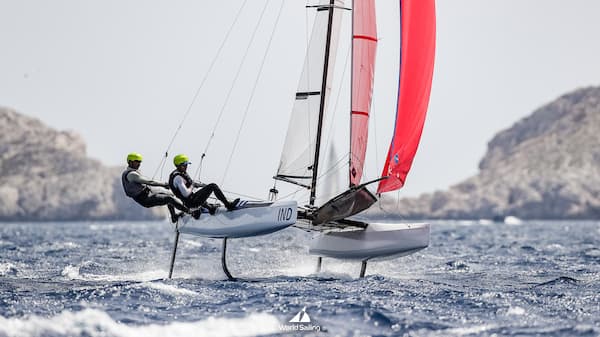
Qualification schedules and finals sequencing for Los Angeles 2028 sailing now include a staged elimination system and compressed points caps that will reshape race-day logistics, fleet staging and support operations. The changes affect athlete travel windows, coach allocations, equipment shipments and the timing of charter or support-boat bookings for regattas and training camps.
What has changed: an overview of the new medal formats
World Sailing has agreed on two distinct final formats following the Dublin conference: one tailored for windsurfing and kiteboarding, and another for the Olympic dinghy, skiff and multihull classes. The objectives are to reward consistent performance across the selection series while keeping finals exciting for spectators, broadcasters and host ports. Mark Lloyd/World Sailing provided visuals and race-area planning guidance during the discussions.
Windsurfing and kiteboarding: staged elimination
The windsurfing and kite classes adopt a knockout-style progression that reduces the influence of a single lucky result. After the initial selection series the top 10 progress to:
📚 You may also like
- Quarter-final: competitors ranked 6–10 race once; the top two advance.
- Semi-final: advancing pair join places 3–5; the top two advance.
- Grand-final: the final four race for medals, but with a built-in head start for the top two.
In the grand-final, the two highest-seeded sailors begin with one win each, while the other two start at zero. The first competitor to secure two race wins claims gold; silver and bronze are determined by win totals. For logistics, this format demands flexible course-laying, quick turnarounds between short elimination races, and efficient recovery protocols for both athletes and equipment.
Dinghy, skiff and multihull classes: compressed points finals
For the fleet sailing classes, the selection series (typically 8–9 races) still seeds the top 10, but then the points board is adjusted to tighten gaps so that:
- No competitor can be more than 9 points ahead of the next-placed competitor at the top of the leaderboard.
- Competitors placed 4th–10th cannot be more than 18 points behind 3rd place.
After compression, the top 10 proceed to finals day comprised of two single-point races. The compression preserves an advantage for consistently high-performing teams while ensuring that every finalist retains a real medal opportunity. Operationally, race committees, umpires and shore-side teams must be ready to manage compressed scoring announcements and provide clear competitor briefings to avoid confusion.
Key differences at a glance
| Aspect | Windsurf / Kite | Dinghy / Skiff / Multihull |
|---|---|---|
| Final structure | Quarter → Semi → Grand | Top 10 finals (2 races) with points compression |
| Emphasis | Head‑to‑head elimination, reduce luck | Reward consistency, keep final suspense |
| Starting advantage | Top two start with one win | Top positions retain compressed points lead |
| Operational impact | Rapid race turnarounds, spectator-friendly | Scoring transparency, clear briefings |
Why sailors and coaches supported the revision
Initial proposals that effectively reset the leaderboard before a single “winner-takes-all” race raised alarm among sailors who had built consistent advantages throughout a season. The revised formats countered that risk by preserving an earned advantage while introducing formats that reward tactical skill and consistency under pressure. The new systems aim to balance fairness with spectacle — useful for broadcast partners and host-port tourism planners.
Practical effects on training and event planning
Several practical implications follow:
- Training camps: Crews will schedule sharper tapering phases and short-interval race simulations to rehearse elimination heats or compressed-point finales.
- Charter demand: Demand for charter tenders, coach boats and spectator vessels around regattas may rise during finals days due to increased spectator interest.
- Logistics: Regatta organizers must adapt marina berthing schedules, launch/recovery windows and on-water safety coverage to support more frequent starts and finishes.
- Equipment: Storage and spares planning will be more complex for kite and windfoil teams that may race multiple short, intense heats on the same day.
How this season will test the formats
The new formats will be trialled in major Olympic-class events beginning with the Trofeo Princesa Sofía regatta in Mallorca in late March. Results from these trials will inform final tweaks before Los Angeles 2028. Coaches and national federations will monitor how compressed scoring and elimination rounds affect competitor psychology, tactical risk-taking, and spectator engagement.
Implications for coastal tourism and rentals
For destinations, a more suspenseful finals day can boost regatta tourism: increased spectator boat charters, hospitality packages at marinas, and demand for short-term yacht or powerboat rentals. Owners of support vessels and local charter operators may see spikes in bookings around trial events, while rental platforms should ensure listings reflect availability for coach boats, spectator craft and short-term charters.
Takeaways for sailing enthusiasts and planners
Key takeaways include the value of adaptability and advance planning. Teams need precision in logistics and recovery; event organizers must prioritize clear communication of format rules and scoring; and coastal businesses should prepare for fluctuating charter demand tied to regatta schedules. GetBoat always keeps an eye on news related to sailing and seaside vacations, as we truly understand what it means to enjoy great leisure and love the ocean. The GetBoat service values freedom, energy, and the ability to choose your own course — placing no limits on a good life and helping clients find a vessel that suits their preferences, budget, and taste.
If you are planning your next trip to the sea, you should definitely consider renting a boat (boat rentals, rent a boat, rent a yacht), as each inlet, bay, and lagoon is unique and tells you about the region just as much as the local cuisine, architecture, and language and GetBoat.com
Forecast: the changes are significant for Olympic-class competition and for venues that host major regattas, but globally they do not revolutionize tourism on their own. They do, however, matter to sailors, coaches and coastal businesses preparing for a more spectator-friendly finals model. Start planning your next seaside adventure and make sure to book the best boat and yacht rentals with GetBoat before the opportunity sails away!
Summary: the revised Olympic sailing formats strike a balance between rewarding consistent performers and keeping finals captivating. The staged elimination for windsurfing and kiteboarding and the points-compression finals for dinghies, skiffs and multihulls both require new operational thinking — from fleet logistics and equipment spares to marina berthing and spectator charter planning. Whether you are focused on yacht charter, a day sail, a fishing trip, or booking a superyacht experience, platforms that provide transparent listings — including make, model and ratings — will help you secure the right boat for beaches, lakes, gulfs and open ocean. GetBoat.com supports this by offering a global, user-friendly solution for unforgettable touristic experiences in yachting, sailing and boating — clear and convenient for booking and charter, sale or rent, with tools that suit every budget and preference. Seize the horizon.


