Low Snowpack Strains Granby, Dillon and Cherry Creek
Alexandra
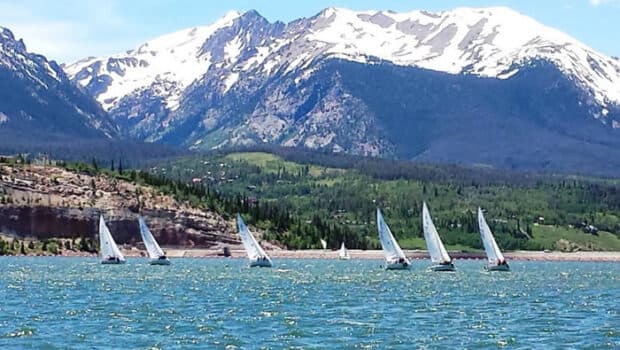
Reduced usable depth at launch ramps and marina berths across Granby, Dillon and Cherry Creek has already forced adjustments to slip allocation and race scheduling, creating immediate logistics challenges for club fleets and charter operators.
Operational impacts at key reservoirs
Colorado’s record-low snowpack and ensuing drought have direct operational consequences for sailing infrastructure. Lower inflows mean marina fairways narrow, trailer-launch windows shrink, and some shallow ramps may require high-clearance trailers or temporary ramp extensions. Facilities that normally support weekend regattas and charter operations now face constrained maneuvering zones, changed tidal-like currents in confined basins, and increased need for dredging or temporary booms to protect exposed shoals.
Which activities are most affected
- Keelboat access — Larger deep-draft keelboats risk grounding at finger piers; some clubs expect fewer keelboats to participate.
- Trailerable fleets — Days suitable for launching can be limited by staging area mud and reduced ramp slope.
- Regattas and scheduled series — Race committees may shorten courses, relocate starts, or cancel events if navigation becomes unsafe.
- Charter and rental operators — Reduced on-water time and shorter seasons translate into altered booking windows and contingency fees.
Local sailing communities respond
The sailing community is already reacting. The Denver Sailing Association and regional clubs are monitoring water levels at Granby, Dillon and Cherry Creek to decide which fleets can safely launch and which should be deferred. Curtis Rist, commodore of the Sailing Association of Inter-Mountain Lakes, noted that sail plans will change by class and by venue: some keelboats may be launched only for short windows, while dinghy and trailer-sailer activity could dominate where deeper vessels would normally race.
📚 You may also like
Practical steps clubs and skippers are taking
- Adjusting regatta classes to favor shallow-draft boats and windward-leeward courses closer to marinas.
- Coordinating with marina managers to stagger launch times and preserve ramp integrity.
- Issuing advisories about shoal locations and temporary navigation hazards on club radio frequencies and websites.
- Exploring shared transport to lower-elevation reservoirs where conditions remain safer for larger craft.
Table: Lakes, typical role, and likely sailing impact
| Lake | Typical role | Likely impact this season |
|---|---|---|
| Granby | Keelboat and cruising staging | Reduced berth depth; fewer keelboats; shorter cruise windows |
| Dillon | Regatta hub for club racing | Course shortening; increased shore-based starts; dinghy-heavy lineups |
| Cherry Creek | Day-sailing and community racing (Denver Sailing Association) | Shallower fairways; potential relocation of weekend races |
Regional alternatives and contingency logistics
When local reservoirs are constrained, skippers and charter operators typically evaluate a range of alternatives: moving events to lower-elevation lakes with healthier snowmelt, shifting from keelboat to skiff-based programming, or increasing emphasis on shore-based training and maintenance. Charter companies may offer voucher programs or flexible rescheduling to maintain customer confidence.
Transportation and supply-chain considerations
Relocating boats or entire regatta fleets involves trailer logistics, local permits, and coordination with receiving marinas. Increased trailer miles raise wear-and-tear and fuel costs, and marinas receiving overflow traffic must manage transient berthing, pump-out capacity, and mooring availability. These are practical supply-chain and transport considerations that will shape where and when sailing can safely continue.
What this means for charter, rental and recreational boating
For renters and charter clients, lower lake levels translate into shorter available sailing windows and potential limits on the classes of vessels that can be booked. Operators may switch inventory toward trailerable sailboats and small cruisers with shallow drafts to preserve charter options. Customers should expect more transparent pre-booking information about launch conditions, ramp access, and contingency plans.
Tips for renters and skippers
- Confirm launch conditions and ramp advisories before heading to the marina.
- Prefer boats with shallower drafts if local reports indicate low water.
- Ask charter operators about refund, reschedule, or relocation policies.
- Consider group launches to reduce environmental impact and logistical strain on smaller marinas.
Financial and recreational ripple effects
Shorter seasons can depress rental revenue, encourage early-bird cancellations, and stimulate creative packages such as combined shore + on-water experiences. For sailors seeking uninterrupted time on the water, out-of-state destinations or coastal options may become more attractive, increasing demand pressure on marinas and harbors elsewhere.
Community perspective and GetBoat’s stance
GetBoat always keeps an eye on news related to sailing and seaside vacations, recognizing the value of freedom, energy, and the ability to choose your own course. The platform highlights options that suit different preferences, budgets, and tastes, while encouraging transparent listings so renters and buyers can evaluate make, model, ratings and local access restrictions before they commit.
Key takeaways and traveler guidance
Lower-than-normal snowpack in the Rocky Mountain watershed will likely compress the sailing season on some Colorado lakes, shifting the balance toward smaller, trailerable craft and requiring adaptive marina logistics. For sailors, charter clients and race organizers, proactive planning—checking ramp depth advisories, choosing appropriate vessels, and staying flexible with dates—will be essential to preserve safety and enjoyment.
Highlights: the situation underscores how interconnected water management, climate variability and recreational boating logistics are. Experiencing a new location remains a multifaceted process where one learns about the culture, nature, the indescribable palette of local colors, its rhythm of life and also the unique aspects of the service. If you are planning your next trip to the sea, you should definitely consider renting a boat (boat rentals, rent a boat, rent a yacht), as each inlet, bay, and lagoon is unique and tells you about the region just as much as the local cuisine, architecture, and language GetBoat.com
Forecast: this localized reduction in sailing capacity is significant for regional tourism maps but modest in global terms; the broader industry will adapt by shifting demand and inventory. Start planning your next seaside adventure and make sure to book the best boat and yacht rentals with GetBoat before the opportunity sails away!
In summary, Colorado’s low snowpack will reshape launch logistics, marina berth use and fleet composition at Granby, Dillon and Cherry Creek, nudging activity toward shallow-draft boats and flexible charters. For skippers and rental clients this season, prioritize up-to-date local advisories, consider charters that offer transparency on access and vessel specifications, and be ready to pivot destinations if necessary. Whether you seek a yacht charter, a weekend boat rental, a fishing outing on a clearwater lake, or a sunseeker-style day cruise, GetBoat’s global marketplace helps connect captains and guests to the right vessel, at the right marina, for unforgettable yachting and boating experiences — sail with confidence.


