Why the Good Old Sailing Days Still Matter
Alexandra
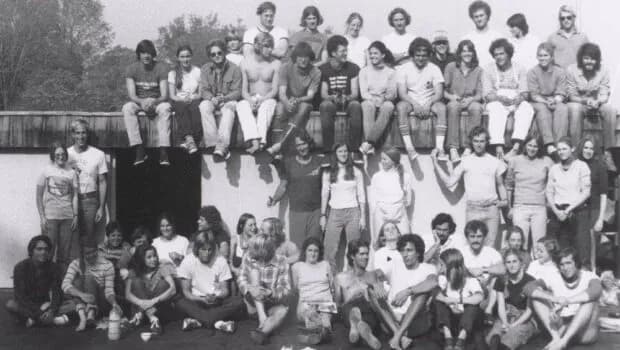
At major regattas in the 1970s and 1980s, moving a competitive fleet to a venue routinely required coordinated transport of 30–60 high‑performance dinghies on multi‑axle trailers, shore crews to launch and retrieve boats within 20 minutes, and dock space reserved days in advance to store spars, sails and spares—logistics that shaped how events were run and how sailors trained.
How logistics shaped the era
Those decades were notable not just for the boats themselves but for the operational backbone that made high‑level sailing possible. Race committees, shore teams and yacht clubs developed repeatable processes for rigging, measuring and repairing sails. The requirement to move boats such as Solings, Tempests and IOR‑rated keelboats between regattas fostered a transport ecosystem of trailers, trucks, and dedicated marina berths. That ecosystem rewarded crews who mastered both seamanship and equipment management.
Technical depth and equipment flow
Sail design, mast bend tuning and hull fairing were public discussions among clubs and classes. Detailed exchange of setup data meant spares, tools and replacement parts moved with the fleet. The old system emphasized transparency: winners and losers analyzed results, then shared the tweaks that mattered. This open technical culture influenced supply chains for mast sections, custom sails and specialized fittings, creating small businesses and local workshops that serviced competitive fleets.
📚 You may also like
Icons, personalities and practical effects
The era produced larger‑than‑life names—Elvstrom, Fox, Melges, North, Blackaller, Turner, Conner—whose performance choices had immediate ripple effects through the market for sails, spars and hardware. When a top sailor favored a new material or rig tune, suppliers quickly adapted, and charter operators or rental fleets often followed to stay relevant to customers who wanted to train on similar gear.
Then vs Now: a concise comparison
| Feature | 1970s–80s | Today |
|---|---|---|
| Boat types | High‑performance dinghies, Solings, Tempests, IOR keelboats | Foiling craft, one‑design speedboats, larger cruisers and superyachts |
| Skill emphasis | Tactics, sail trim, mast bend, team coordination | Speed optimization, foiling technique, onboard systems |
| Logistics | Trailer fleets, shore crews, spare parts network | Marina berthing, freight forwarding for composite foils, centralized charter fleets |
| Spectacle | Close‑quarters tactics, varied designs, heroic characters | High‑speed visuals, media‑friendly formats, shorter attention cycles |
What changed and why it matters to rentals
Shifts in materials, design priorities and audience expectations have altered what gets rented and chartered. Modern renters often seek immediate thrill or comfort—fast catamarans, motor yachts, or fully crewed charters—rather than spending time learning the fine points of mast bend on a Laser or tuning an IOR keelboat. That change affects the supply chain: manufacturers and marinas now stock parts and systems for powerboats and foilers more than traditional racing dinghies.
Implications for boat owners and operators
- Maintenance cycles: Composite foils and hydraulic systems require different spare inventories and specialized service providers.
- Training demand: Fewer youth programs focused on high‑performance dinghies reduce the pipeline of technically trained sailors available to crew charter races.
- Charter offerings: Operators adapt by offering more turnkey experiences—captain, provisioning, and packaged itineraries—reducing the need for renters to bring knowledge or gear.
Legacy knowledge and why it's still useful
Even as formats evolve, the lessons from the earlier decades remain relevant. Tactics, sail science and the ability to manage a fleet’s logistics are critical when planning a multi‑stop charter, organizing a club regatta or maintaining a rental fleet. Understanding how teams managed spare parts, launching windows and berth reservations can save time and money for modern operators and renters alike.
Quick checklist for organizers and renters
- Book berths and trailer space well in advance for peak season events.
- Maintain an inventory of critical spares: shackles, halyards, compressed air elements and key sail repair materials.
- Train a small shore crew in rapid launch/retrieval procedures to minimize turnaround time.
- Document rig setups and share them with guest skippers or renters to reduce on‑water troubleshooting.
GetBoat always keeps an eye on such developments in sailing and seaside vacations, because the company values freedom, energy and the ability to choose your own course—helping customers find boats that fit preferences, budgets and tastes while providing transparent details like make, model and ratings.
Highlights and cultural value
The most interesting aspect of this topic is how logistics and culture intertwined to produce vibrant local scenes: workshops that built sails, shore crews who became legends, and clubs that turned regattas into social spectacles. Experiencing a new sailing location is always multifaceted: you learn about local culture, nature, the indescribable palette of local colors, its rhythm of life and the unique aspects of service. If you are planning your next trip to the sea, you should definitely consider renting a boat (boat rentals, rent a boat, rent a yacht), as each inlet, bay, and lagoon is unique and tells you about the region just as much as the local cuisine, architecture, and language GetBoat.com
Planning ahead: forecast and a call to action
Option 3 — Start planning your next seaside adventure and make sure to book the best boat and yacht rentals with GetBoat before the opportunity sails away! On a global scale, the nostalgia for analogue sailing is unlikely to reverse current trends toward high‑speed formats and luxury charters, so the news is modestly significant: it matters most to niche communities, preservationists and training programs. For the broader tourism map, the steady growth of charter demand and marina investment is what will continue to reshape destinations.
Summary
The practical fabric of 1970s–80s sailing—trailers, shore crews, shared technical knowledge and iconic sailors like Elvstrom, Fox, Melges, North, Blackaller, Turner and Conner—created a logistics model that supported deep technical engagement and memorable regattas. While modern sailing emphasizes speed, media and turnkey charter experiences, the logistical lessons remain valuable for organizing events, running rental fleets and choosing the right vessel for an itinerary. Whether you’re after a classic dinghy race or a clearedwater cruise on a superyacht, planning for transport, spares and shore support matters. GetBoat.com supports that approach by offering a global, user‑friendly solution for booking or buying boats, yachts, sailboats and more—transparent listings, comprehensive details and flexible options to match budgets and tastes—helping ensure unforgettable experiences on the water as you explore new destinations, beach coves and marinas while enjoying sailing, charter, rent and yachting adventures.


