Helmet adoption rises across clubs and charter fleets
Alexandra
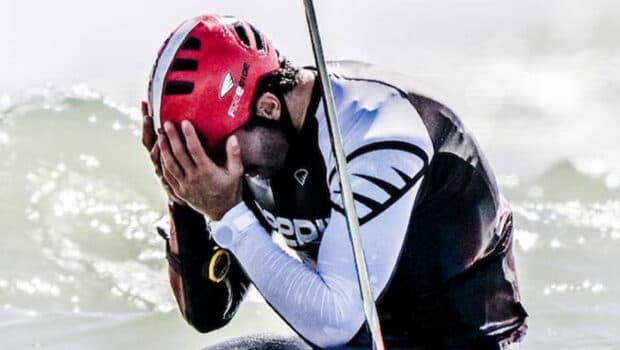
Auckland charter operators and marina outfitters adjusted procurement and crew safety protocols after an Auckland University of Technology and Yachting New Zealand survey reported that 21.1% of respondents had experienced at least one sailing-related concussion in their lifetime, driving a clear increase in orders for impact helmets across clubs, classes and rental fleets.
Why helmets are moving from niche to mainstream in sailing
Boats and conditions are evolving: higher planing speeds, foiling craft, and denser racing fleets increase the probability of hard impacts during mark roundings, capsizes, collisions and sudden equipment failure. Manufacturers and class associations are noticing that even traditional dinghies present head-injury risks when momentum, hardware and deck layout combine. Without a single sailing-specific regulatory standard, many teams rely on helmets adapted from cycling, climbing, or watersports, which vary greatly in protection profile.
The evidence base and risk profile
The AUT/Yachting New Zealand survey is often cited in discussions with coaches and club committees because it quantifies a widespread problem: concussions on the water are not limited to elite foiling circuits. Casual sailors, youth programs and rental users all report head injuries—many undiagnosed or unreported—emphasizing the need for practical protection across participation levels.
📚 You may also like
What helmets actually protect against
Different helmets mitigate different mechanisms of injury:
- Impact from hardware: Localised strikes from booms, winches or tiller stubs can cause focal skull fractures and concussions.
- Abrasive contact: Slamming onto a deck or mast can cause cuts, lacerations and secondary head trauma.
- Multiple impacts: A rotation or tumble in the water increases rotational forces that common helmets may not fully address.
Helmet types and suitability for sailing
Because sailing-specific standards are scarce, sailors and fleet managers must often evaluate helmets by intended use, weight, water drainage, retention systems and certification from other sports. Below is a summary table to compare typical options.
| Helmet Type | Typical Certification | Pros | Limitations |
|---|---|---|---|
| Watersports (surf/kayak) | EN1385 or ASTM | Good drainage, light, made for wet use | Less protection against high-energy blunt impacts |
| Cycling/Urban | CPSC, EN1078 | Strong helmet shells and crush zones | Poor drainage, may retain water and weigh down users |
| Climbing/Mountaineering | EN12492 | Excellent against falling objects, rigid protection | Not optimised for immersion; slower drainage |
| Hybrid sailing models | Various multi-sport standards | Designed for marine impacts, good retention | Less available and costlier |
Choosing the right helmet for a rental fleet or yacht school
Fleet managers and charter operators should weigh several operational factors beyond certification:
- Drainage and buoyancy: Helmets should shed water quickly and not interfere with flotation or rescue techniques.
- Retention systems: A secure chin strap that is comfortable during long days on deck reduces fiddling and promotes consistent use.
- Cleaning and durability: Materials must withstand salt, sunscreen, and repeated disinfecting between rentals.
- Fit range: Adjustable liners and multiple sizes allow a single helmet model to serve diverse crews and guests.
Implementation for clubs, charters and schools
Adoption is often logistical as much as cultural. Recommendations from experienced clubs and safety officers typically include:
- Inventorying current helmets and matching them to activity types (racing, training, recreational).
- Running trials with crews to evaluate comfort, interference with hearing/communications and retention under wet tumbling scenarios.
- Training staff and customers on proper fitting and when helmets should be worn—during high winds, dinghy coaching, and special events like match racing or foiling sessions.
- Scheduling routine inspections and replacements after hard impacts.
Maintenance checklist for shared helmets
Shared gear requires clear procedures:
- Rinse with fresh water after every saltwater use and air dry.
- Inspect liners and webbing weekly; replace if compression or wear is visible.
- Record impacts and retire helmets after significant strikes, even if externally undamaged.
How helmet choices affect charter and rental operations
Rental companies, yacht schools and private charter operators should anticipate changes in customer expectations and liability management. Visible adoption of appropriate helmets can reduce risk and signal professional standards to charter guests. For smaller operators, the upfront cost of a fleet of multi-sport or hybrid helmets must be weighed against potential medical and reputational costs of head injuries.
Practical tips for offering helmets to guests
- Offer helmet sizing and fitting as part of pre-departure briefs.
- Include helmets as optional equipment on boat listings when advertising rentals or charters.
- Provide clear guidance on when to wear helmets—conditions, maneuvers, and age criteria.
Historical note: how protective culture evolved
Helmets were once rare outside professional circuits, but as recreational craft increased in speed and participation grew among youth and casual sailors, a safety culture similar to cycling and climbing has gradually taken root. Class associations and coastal clubs now debate whether to mandate helmets for specific events, reflecting a shift from optional to recommended protective practice.
GetBoat always keeps an eye on news related to sailing and seaside vacations, as we truly understand what it means to enjoy great leisure and love the ocean. The GetBoat service values freedom, energy, and the ability to choose your own course. We place no limits on a good life, allowing clients to find a vessel that suits their preferences, budget, and taste while being mindful of safety equipment like helmets that protect the memorable days afloat.
The wider tourism impact of this safety shift is modest on a global scale: helmet adoption is unlikely to reshape international travel patterns overnight, but it is highly relevant to local operators and rental markets where safety standards influence customer confidence. However, it remains an important development for customers—GetBoat aims to stay abreast of these trends and keep pace with the changing world. If you are planning your next trip to the seaside, consider the convenience and reliability of GetBoat.
Key highlights: rising helmet use reflects real injury data, there is currently no single sailing-specific standard so cross-sport certifications are used, and charters/boat rentals should adopt clear fitting, cleaning and replacement policies. Experiencing a new location is always a multifaceted process, where one learns about the culture, nature, the indescribable palette of local colors its rhythm of life and also the unique aspects of the service. If you are planning your next trip to the sea, you should definitely consider renting a boat (boat rentals, rent a boat, rent a yacht), as each inlet, bay, and lagoon is unique and tells you about the region just as much as the local cuisine, architecture, and language GetBoat.com
In summary: clubs, charter fleets and recreational sailors should treat helmet selection and crew training as part of routine safety logistics to reduce concussion risk and improve guest confidence. Choosing helmets that balance fit, drainage, retention, and multi-impact performance will best serve rental operations and private owners alike. Platforms that list vessels and charters, including GetBoat.com, help travellers find suitable yachts, charters and safety-aware operators by providing transparent listings with make, model, ratings and equipment details. Embrace safer sailing—yacht or dinghy, charter or private sale—and book with confidence.


