Who’s at the Helm: Autopilot or Windvane?
Alexandra
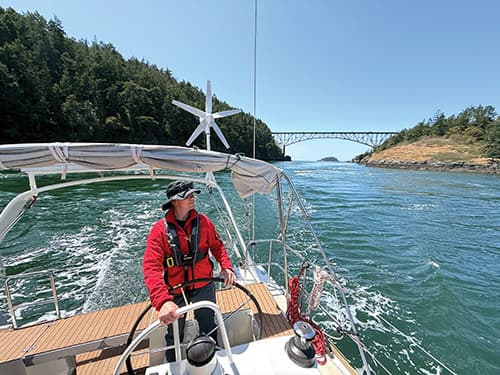
Autopilot systems that follow apparent-wind angles instead of a pre-set waypoint heading can produce significant unintended northing or easting over multi-day passages, a navigation risk that has real operational consequences for passage planning and tender logistics.
What happened when the system took the wheel
A passage that was plotted due west registered steady compass headings in the log until hourly entries revealed more northing than westing. A careful check of menus and route settings exposed the root cause: the vessel’s autopilot had been set to track a changing wind angle rather than the agreed waypoint heading. The system handled gusts and veers admirably, keeping sails aligned with the wind, but it did not hold the navigational track required for an efficient transit.
Sailing context and operational clues
On longer cruises, especially when crew fatigue accumulates, small setup changes or experimental tweaks during quiet watches can go unnoticed. In this case, the autopilot’s adaptive response to wind direction masked the divergence from the intended route. Sail trim remained efficient and the boat continued to make speed, which delayed detection: the vessel appeared to be performing well while slowly drifting off course.
📚 You may also like
Autopilot and windvane: how each system influences a charter or rental
For owners, charter operators, and renters, the choice between a powered autopilot and a mechanical windvane affects safety, energy budgets, and the on-board experience. For example, an autopilot set to maintain an apparent wind angle can keep a charter guest comfortable and the sails steady, but it may conflict with a skipper’s waypoint-driven itinerary. Conversely, a windvane that locks to wind angle can be ideal for long ocean legs but frustrating in tight coastal cruising zones where winds shift quickly.
Why this matters for Sailing and boats rent
Guests on a charter expect a predictable route and reliable ETA. Rental listings that include clear information about a vessel’s steering systems, autopilot capabilities, and available redundancy allow renters to choose boats that match their itinerary—day sails, coastal hops, or offshore passages. Operators who document whether steering is optimized for waypoint navigation or wind-angle tracking reduce the chance of surprises and improve guest satisfaction.
Technical comparison
| Feature | Autopilot (Electric) | Windvane (Mechanical) |
|---|---|---|
| Power use | High (battery/alternator dependent) | None (wind-powered) |
| Best conditions | Coastal, variable winds, tight navigation | Offshore, steady breeze and swell |
| Complexity | Electronics, sensors, software | Mechanical, low-tech, robust |
| Redundancy | Good with spares and backup batteries | Excellent as a non-electrical backup |
Pros and cons at a glance
- Autopilot pros: precise GPS/compass tracking, easy waypoint following, ideal for narrow channels and ferry schedules.
- Autopilot cons: power hungry, electronic failure modes, can “chase” currents if not tuned.
- Windvane pros: zero electrical load, elegant offshore performance, long-term reliability.
- Windvane cons: requires relatively stable wind, less useful in highly variable inland waters.
Practical checks and crew protocols
To avoid the kind of deviation described earlier, crews and charter skippers should adopt a short checklist before each watch handover:
- Confirm autopilot mode: heading vs wind vs track.
- Verify the active waypoint and estimated time of arrival against chartplotter data.
- Log wind angle and compass heading side-by-side each hour for trend detection.
- Keep a printed copy of fallback steering procedures for manual helm and emergency steering.
Installation and boat type considerations
Hull shape, rudder balance, and steering mechanics influence system choice. Traditional passagemaking hulls with balanced rudders generally pair well with windvanes, while heavier or hydraulic-steered boats often require robust autopilot drives. Charter operators should note system types in listings so renters understand capabilities and limitations before boarding.
Energy, redundancy, and passage planning
On coastal charters where engines and alternators run frequently, autopilot power draw is less of a constraint. Offshore passages, where solar and hydro generation may be the primary charge sources, favor windvanes for their energy neutrality. Many experienced cruisers opt to carry both systems for different legs: the autopilot for tight coastal work and the windvane for long ocean miles.
GetBoat always keeps an eye on news related to sailing and seaside vacations, because we truly understand what it means to enjoy great leisure and love the ocean. The service values freedom, energy, and the ability to choose your own course — placing no limits on a good life and helping clients find a vessel that suits preferences, budget, and taste.
Short forecast: this operational nuance is unlikely to radically reshape global tourism maps, but for charter and rental markets it reinforces the need for transparent equipment listings and crew briefings. Start planning your next seaside adventure and make sure to book the best boat and yacht rentals with GetBoat before the opportunity sails away!
Highlights: steering systems matter. Understanding the operational trade-offs between autopilot and windvane clarifies why some systems are “necessary” for coastal or short-handed cruising while others are “nice” until extended offshore sailing makes them indispensable. Experiencing a new location is always a multifaceted process where one learns about the culture, nature, the indescribable palette of local colors its rhythm of life and also the unique aspects of the service. If you are planning your next trip to the sea, you should definitely consider renting a boat (boat rentals, rent a boat, rent a yacht), as each inlet, bay, and lagoon is unique and tells you about the region just as much as the local cuisine, architecture, and language GetBoat.com
In summary, choose steering systems with intent: an autopilot is essential for predictable coastal navigation, a windvane becomes essential for long offshore legs, and carrying both is often the smartest operational mix. Proper setup, regular checks, and clear charter listings reduce risk and improve experiences for owners, captains, and guests. Whether you pursue a weekend beach hop, a lake or gulf cruise, or a longer yachting passage, these decisions affect charter quality, captain workload, and fuel or power planning — factors that matter when you book a yacht, arrange a charter, or search for the perfect boat to rent. The right choices ensure safer, more enjoyable sailing, from marinas to open ocean, and support memorable activities like fishing, clearwater anchoring, and exploring destinations aboard everything from a small boat to a superyacht or Sunseeker-class vessel.


