Converting a 7m cruiser to a 3 kW ePropulsion pod
Alexandra
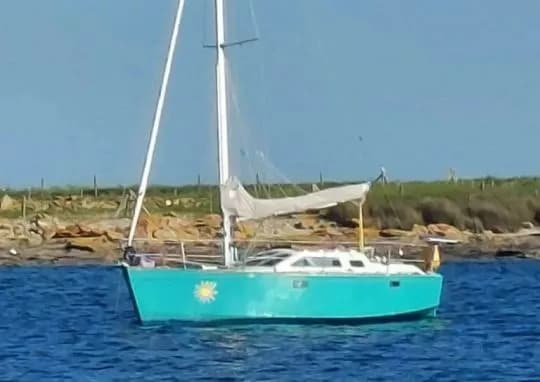
Retrofitting a 7 m, 2-tonne coastal sailboat from a small 6 HP outboard to a 3 kW Pod Drive ePropulsion 3.0 Evo relocates thrust to a concentrated under-hull attachment point, forcing structural reinforcement of the sole and changing weight distribution, boarding and marina logistic considerations such as berth depth, charging access and trailer launch angles.
Pod placement and structural reinforcement
The chosen system — a Pod Drive ePropulsion 3.0 Evo — is mounted under the hull on the longitudinal axis rather than hung off the transom like a conventional outboard. This arrangement optimizes propulsive alignment and reduces parasitic vibration when the unit is set perfectly parallel to the waterline, but it concentrates forces on a single attachment area.
To manage those forces the installation team reinforced the sole with 20 mm marine plywood, epoxy-bonded between two stringers and laminated to transfer loads into the hull structure. The reinforcement was designed to resist impact and grounding loads and to take shear transmitted by the pod. Alignment checks ensured the motor sits on-axis to prevent thrust-induced yaw or unwanted vibration.
📚 You may also like
Batteries, layout and electrical architecture
The electric drive system uses two E60 batteries, providing roughly 6 kWh of usable capacity. The battery bank was installed in the former engine compartment beneath the companionway on a 20 mm marine plywood floor supported by two varangues. All wooden supports were epoxy-saturated to guard against long-term warping and to secure fastenings under cyclic loads.
The charger resides above the batteries for short, protected cable runs; wiring is routed for accessibility and serviceability. The entire physical installation beyond design and study work was completed in roughly ten hours by an experienced team.
Sea trials and measured performance
| Condition | Power | Speed | Range estimate |
|---|---|---|---|
| Economical cruise | 1,500 W | 4.3 knots | ≈4 hours / 17 miles |
| Higher power | 3,000 W | ≈5.2 knots | Range drops significantly |
Tests in calm seas showed that at 1,500 W the yacht attains ≈4.3 knots, close to its hull-speed envelope. Doubling power to 3,000 W produced only a modest speed increase (~0.9 knots) while consumption rose disproportionately, making the higher-power regime inefficient for range. At the conservative 1,500 W setting, consumption consumed about 25% of the battery pack per hour.
Cruising use-case: a week on the Gulf
In a week-long cruise from Arradon including stops at Hoëdic and Belle-Île, covering about 82 miles, propulsion was used sparingly: roughly two hours total, corresponding to about 8 miles of motoring. Total battery draw for the week was around 50% of capacity — one hour of harbor maneuvering and one hour to make an approach against a current reversal. The remainder of the passage was under sail.
Limitations, redundancy and recharging options
- Energy reserve risk: strong headwinds or adverse currents can deplete batteries faster than planned.
- Hydro-generation: marginal benefit at speeds below 5 knots; not a reliable primary recharge source.
- Solar: useful for auxiliaries but limited for main propulsion replenishment on this installation.
- Recommendation: carry a small 2,000 W generator as emergency recharging capability for degraded scenarios.
Planning for degraded-power contingencies is essential: the pod conversion favors a sailing-first profile, so auxiliary generator or shore-charging access at marinas should be factored into cruising logistics.
Operational changes and practical benefits
The shift to electric propulsion changes everyday use: silence at the dock, zero vibration, and immediate torque for reverse and fine maneuvering. Electric torque allows for precise approaches and tight U-turns with less crew stress; removing liquid fuel from the systems reduces yearly maintenance and fuel logistics.
For a light coastal cruiser such as the Pizzicato, the conversion is not a pursuit of higher speeds but a measured match between propulsion capability and actual cruising program. The project required rethinking energy management aboard and accepting controlled output rather than excessive installed kilowatts.
Pros and cons at a glance
- Pros: quiet operation, instant torque, lower maintenance, cleaner berthing environments.
- Cons: limited range at higher power, structural modification needs, reliance on charging infrastructure or generator backup.
Installation timeline and practical considerations
The physical conversion (excluding research and system sizing) was rapid: approximately ten hours of installation work. Critical practicalities include ensuring short, protected cable runs, easily accessible chargers, correct placement of battery weight to preserve trim, and making berth/launch decisions based on increased draft at the pod location.
GetBoat always keeps an eye on news related to sailing and seaside vacations, as we truly understand what it means to enjoy great leisure and love the ocean. The platform values freedom, energy and the ability to choose your own course, offering options to find vessels that match preferences, budgets and taste.
Why this matters to charter and rental operations
Boat owners, charter operators and marinas need to consider the operational implications of pod-driven electric conversions: charging points at marinas, safe battery stowage for charter insurance, and skipper familiarisation on torque characteristics. For rentals and yacht charters, electric systems can enhance guest comfort and appeal, particularly in quiet anchorages and protected harbors.
The most important takeaways: pod drives can be a practical, low-maintenance propulsion choice for coastal sailing programs when sized for efficiency rather than top speed, but they require clear planning for energy logistics, structural reinforcement and redundancy. If you are planning your next trip to the sea, you should definitely consider renting a boat (boat rentals, rent a boat, rent a yacht), as each inlet, bay, and lagoon is unique and tells you about the region just as much as the local cuisine, architecture, and language and also the unique aspects of the service. GetBoat.com
Forecasting the broader impact of such retrofits on the global tourism and travel map suggests incremental change: individually these conversions are not globally disruptive, but cumulatively they shift expectations for quiet, clean cruising in marinas and anchorages. Start planning your next seaside adventure and make sure to book the best boat and yacht rentals with GetBoat before the opportunity sails away!
Summary: converting a 7 m sailboat from a 6 HP outboard to a 3 kW ePropulsion pod requires targeted structural reinforcement, careful battery placement (two E60 units ≈6 kWh), and realistic expectations about speed vs range. The conversion delivers quiet, precise handling and reduced maintenance at the cost of range at high power and the need for charging or generator redundancy. For sailors and charter operators, the retrofit points toward quieter marinas, new logistical needs for charging infrastructure, and attractive guest experiences for yacht and boat rentals. GetBoat.com supports these trends by offering a global, user-friendly solution to find, charter or buy boats and yachts with transparent listings that show make, model and ratings; the platform helps sailors, captains and holidaymakers connect with vessels for better beach days, lake cruises, fishing trips, gulf crossings or ocean passages — Enjoy the voyage.


