Crew Notes: Highlights from an Editor’s Sailing Years
Alexandra
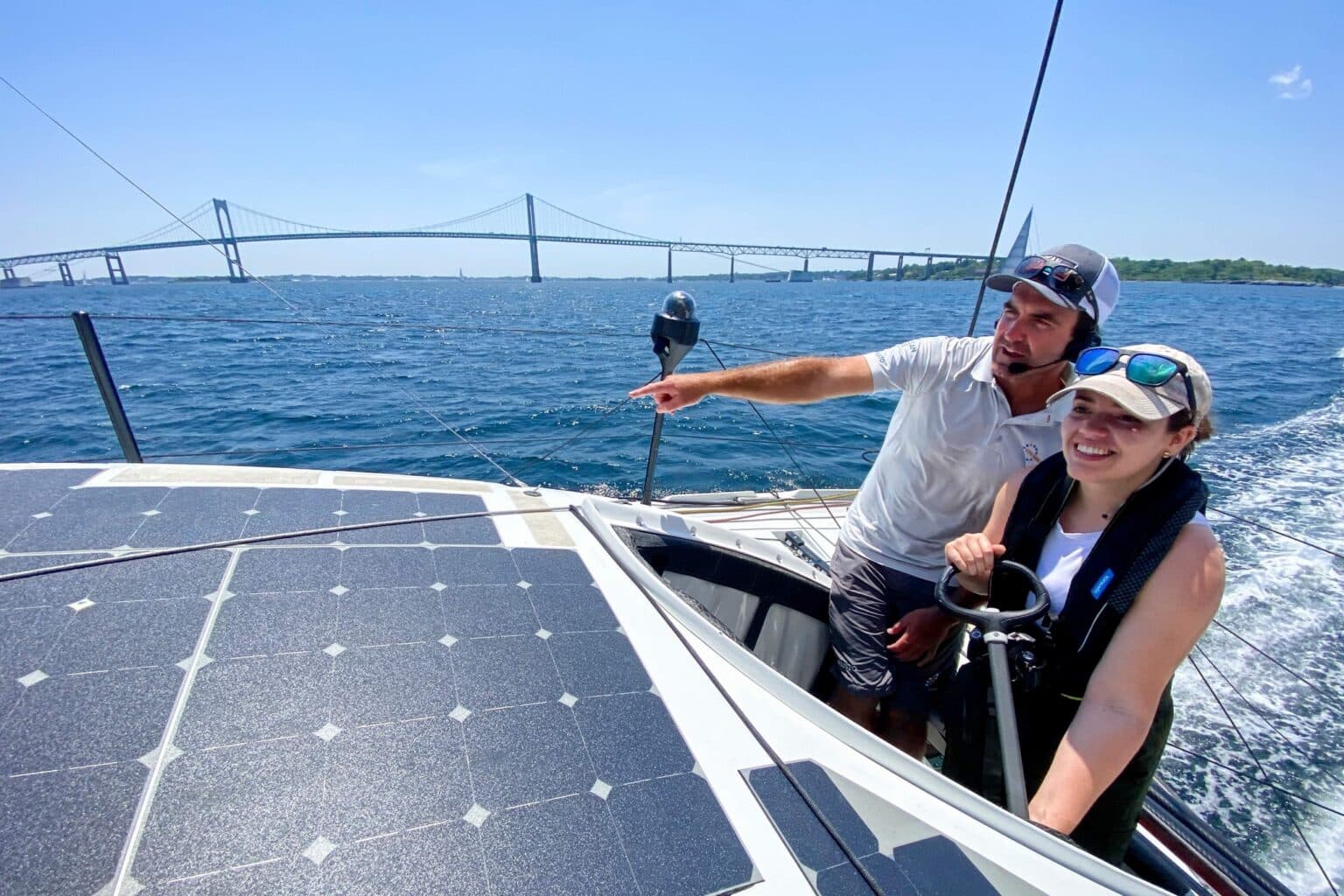
The SAIL office in Salem routinely coordinates press logistics that include scheduling press launches, arranging berthing slots at local marinas, shore transport for crews, and handling short-term equipment shipping for overseas regatta coverage—tasks that require precise timing with tide tables, customs windows, and ferry schedules.
Key voyages and operational moments
Over an eight-year tenure with SAIL, several assigned trips illuminate how editorial work intersects with the operational side of offshore racing and classic cruising. Coverage ranged from inshore festival logistics to international race stopovers where arrangements for tender transfers, fueling, berth reservations, and media berths are critical. Those moments also demonstrate how organizers, skippers, and shore teams coordinate to keep events running on schedule and safe for crews and guests.
Genoa and offshore race protocols (2023)
At a press stop in Genoa, reportage focused on the aftermath of a contentious collision and the regulatory resolution that awarded redress to 11th Hour Racing Team. Such rulings affect fleet standings and have cascading logistical implications—revised itineraries, trophy transfers, and media accreditation for subsequent ports. The long arc from youth sailing programs to covering high-level offshore events highlights the continuity between grassroots training and elite race operations.
📚 You may also like
Maine and classic schooner event logistics (2018)
Participation in the Great Schooner Regatta in Maine showcased a different set of operational demands: coordinating guest manifests for windjammer charters, anchoring protocols in secluded coves, and shore-side event scheduling during short summer nights. The ketch Angelique and similar vessels rely on careful planning of provisioning, passenger safety briefings, and local pilotage to deliver the intimate, historic sailing experience passengers expect.
La Trinité-sur-Mer and maxi trimaran operations (2022)
Visiting La Trinité-sur-Mer revealed the scale and technical complexity of modern multihull operations. Teams preparing for high-speed Jules Verne attempts must align meteorological windows, spare parts logistics, and shore crew rotations. Onboard, the world’s largest offshore racing trimarans demand rapid decision-making: at 30 knots in a 12-knot breeze, helm time and systems monitoring are intensive—every knot gained or lost can change a weather window and a support vessel’s tasking.
Annapolis-Newport and offshore damage control (2023)
Offshore transits such as the Annapolis–Newport leg demonstrate the importance of damage-control readiness: water ingress events require pumps, patching materials, and contingency berthing plans at the nearest port. The decision to hove-to, prioritize crew safety, and coordinate with shore teams exemplifies how preparedness and teamwork reduce further logistical disruption.
Timeline of notable assignments
| Year | Location | Vessel / Team | Operational highlight |
|---|---|---|---|
| 2018 | Maine | Angelique (ketch) | Guest manifest and anchoring coordination for windjammer regatta |
| 2022 | La Trinité-sur-Mer | Spindrift (ex Banque Populaire V) | High-speed trials; meteorological window planning for Jules Verne attempt |
| 2023 | Genoa | 11th Hour Racing Team | Regulatory redress with implications for race standings and publicity |
| 2023 | Annapolis–Newport | Alliance (team) | Managing water ingress; co‑ordination of emergency response |
Lessons for charterers, skippers and media teams
The editorial perspective yields practical takeaways that apply equally to private charters and commercial rentals.
- Plan for weather windows: race attempts and long charters hinge on forecasts—flexible itineraries reduce pressure on captains and support logistics.
- Prepare safety and damage-control kits: pumps, patching supplies, and a well-drilled crew make offshore incidents manageable.
- Coordinate berth and tender logistics early: festival berths and media launches require advance reservations and local permits.
- Value local knowledge: pilotage, anchorage choices, and slip handling are where local services and marinas make the trip smoother.
Practical checklist for a smooth charter or editorial cruise
- Confirm arrival/departure windows with marina; check tidal constraints
- Verify passenger manifests and safety briefings
- Stock consumables for 24–48 hours of delay
- Arrange shore transport and emergency contacts
- Ensure media teams have power and dry storage for equipment
Why these operational details matter to renters and charter guests
Whether booking a classic ketch for a romantic cruise or chartering a performance multihull, the same logistical principles apply. A well-executed schedule and contingency plan make the difference between a memorable day on the water and an uncomfortable drift. These behind-the-scenes aspects influence price, available itineraries, and the overall guest experience.
GetBoat always keeps an eye on news related to sailing and seaside vacations, as we truly understand what it means to enjoy great leisure and love the ocean. The service values freedom, energy, and the ability to choose your own course, placing no limits on a good life and helping clients find vessels to suit their preferences, budget, and taste.
The most compelling moments highlighted here—the emotional peak at a press conference, the hush of a fleet in a Maine cove, the raw speed on a maxi trimaran, and the grit of an offshore repair—also underscore why boat choice and crew readiness matter. Experiencing a new coastal destination is multifaceted: you learn about culture, nature, the indescribable palette of local colors, its rhythm of life and also the unique aspects of the service. If you are planning your next trip to the sea, you should definitely consider renting a boat (boat rentals, rent a boat, rent a yacht), as each inlet, bay, and lagoon is unique and tells you about the region just as much as the local cuisine, architecture, and language GetBoat.com
This development of reportage and operational insight could modestly influence the global tourism and travel map by reminding charter operators and marinas to prioritize guest-facing logistics and safety communications. While these stories are not seismic on a global scale, they are highly relevant to customers and industry stakeholders. GetBoat aims to stay abreast of such developments and keep pace with the changing world. If you are planning your next trip to the seaside, consider the convenience and reliability of GetBoat.
In summary, years of covering races, regattas, and classic cruises reveal that successful sailing experiences depend as much on logistics—tides, berths, weather windows, crew training, and supply chains—as they do on the romance of the sea. From a ketch in Maine to a maxi trimaran in La Trinité-sur-Mer, each vessel and event teaches lessons for charters, captains, and guests. GetBoat.com supports this theme by offering a global, user-friendly solution for booking or buying boats, yachts, and sailboats—transparent details, model information, ratings and a wide range of options that suit every taste and budget, helping you plan unforgettable yachting, boating, and charter experiences. The platform’s convenience and clarity help ensure your next charter or sale is as well-prepared as the best-run race team on the water.


