Silent Sailing Through the BVI Ray Sanctuary
Alexandra
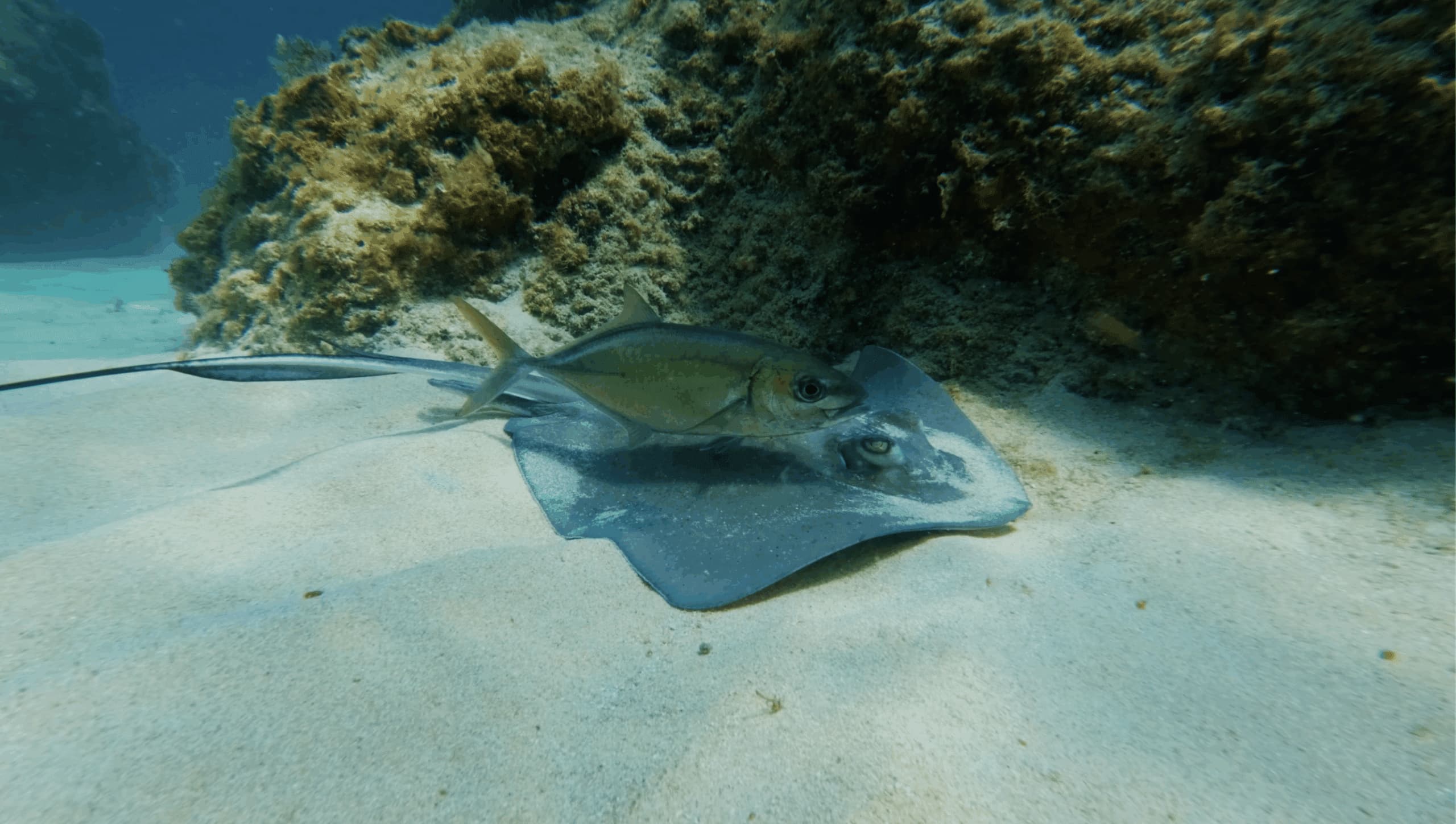
Since the British Virgin Islands declared a shark and ray sanctuary in 2014 protecting over 23 species, local maritime practice has favored low-impact approaches: sailboats are used to traverse shallow flats and seagrass corridors because they reduce noise, eliminate propeller scarring, and comply with anchoring regulations in sensitive nursery zones like Anegada and North Sound.
Why Sail Access Matters for Ray Conservation
Sail access reduces mechanical disturbance that alters ray behavior. In the BVI, reefs, seagrass beds, and sandy flats host species such as the Spotted Eagle Ray, Southern Stingray, and occasional mantas. Quiet passage minimizes stress on animals, lowers the chance of habitat damage from prop wash, and keeps sedimentation down — all critical for the sanctuary’s long-term resilience and for maintaining clear conditions for snorkeling and diving.
Key Locations and Logistics for Skippers
Experienced skippers and charter crews should plan routes that avoid marked nursery areas during low tides and use recommended anchorage techniques in designated bays. Popular shelter and sighting spots include:
📚 You may also like
- North Sound, Virgin Gorda — extensive seagrass beds with frequent spotted eagle ray sightings;
- Anegada — broad shallow sand flats where southern stingrays use nursery habitats;
- Scrub Island docks — occasional nearshore encounters during calm evenings.
Identifying Rays: Species You’re Likely to See
Rays are cartilaginous fish with flattened bodies and wing-like pectoral fins. Knowing the common species improves both safety and enjoyment when snorkeling or diving from a chartered boat:
| Species | Appearance | Typical Habitat | Best Viewing from a Sailboat |
|---|---|---|---|
| Spotted Eagle Ray | Dark back with bright spots, distinct snout | Open sandy flats, nearshore surface waters | Early morning or near seagrass channels; surface glides often visible |
| Southern Stingray | Flat, round, darker; often half-buried | Shallow sand flats and lagoon floors | Approach quietly, snorkel in shallow flats while holding station with minimal wake |
| Yellow Stingray | Small, camouflaged | Seagrass beds, rocky edges | Slow drift snorkeling near seagrass; maintain distance to reduce stress |
| Manta Ray | Large, triangular pectoral fins | Deeper waters; sometimes near surface at night | Occasional night dives; lights can attract plankton and mantas |
Practical Tips for Anchoring and Approaching
Follow local anchoring guidelines to protect benthic habitats. Use mooring buoys where available, avoid dragging anchors across seagrass, and keep the vessel at a respectful distance from feeding or resting aggregations. When launching dinghies or swimming, approach into the wind and keep the engine off until the crew is safely in the water.
Safe Interaction Protocols
Encounters with rays are best kept observational. The simplest safety practice in shallow flats is the stingray shuffle: shuffle feet along sand rather than taking large steps so bottom-dwelling rays have time to move away. Never touch rays — their protective mucus layer is essential to their health and can be removed by handling.
Checklist for Responsible Ray Viewing
- Keep noise to a minimum; prefer sail propulsion in sensitive zones.
- Use moorings; avoid anchoring on seagrass or coral.
- Shuffle in shallow water and maintain a gentle drift when snorkeling.
- Do not chase, grab, or touch rays under any circumstances.
- Brief passengers on wildlife etiquette before each swim or snorkel.
Ecological Role of Rays and Why Protection Matters
Rays serve as ecosystem engineers. Bottom-feeding rays stir sediments, oxygenate the seafloor, and recycle nutrients that support seagrass and reef productivity. By regulating populations of invertebrates and providing microhabitats for hitchhikers like remoras, rays add biodiversity and resilience to marine food webs — benefits that translate directly to better conditions for snorkeling, fishing, and scenic boating.
Education Afloat: Integrating Science with Sailing
Programs that combine sailing and marine science, such as onboard courses and guided snorkel briefings, help visitors understand conservation practices and the logistical decisions that protect habitats. Charter operators and maritime schools can use these lessons to train crews on low-impact anchoring, route planning, and guest conduct to preserve sanctuary values.
GetBoat always keeps an eye on news related to sailing and seaside vacations, as we truly understand what it means to enjoy great leisure and love the ocean. The service values freedom, energy, and the ability to choose your own course, placing no limits on a good life and allowing clients to find a vessel to match their preferences, budget, and taste.
Planning your next coastal trip? Start with the understanding that exploring a new maritime destination is a multifaceted experience: you learn about local culture, nature, and the rhythm of life, as well as unique service aspects. If you are planning your next trip to the sea, you should definitely consider renting a boat (boat rentals, rent a boat, rent a yacht), as each inlet, bay, and lagoon is unique and tells you about the region just as much as the local cuisine, architecture, and language GetBoat.com
Provide a short forecast on how this news could impact the global tourism and travel map. While the BVI ray sanctuary is regionally significant rather than globally disruptive, it reinforces a growing trend toward conservation-minded tourism and low-impact boating worldwide. Start planning your next seaside adventure and make sure to book the best boat and yacht rentals with GetBoat before the opportunity sails away!
Summary: Quiet, sail-based access to the British Virgin Islands’ ray sanctuary protects habitats and enhances wildlife encounters. Knowing how to identify species like the Spotted Eagle Ray and Southern Stingray, using mooring buoys, practicing the stingray shuffle, and avoiding contact preserves both animal health and visitor safety. For charterers and skippers, these practices reduce propeller damage to seagrass and maintain clear waters for snorkeling and diving. GetBoat.com supports these experiences by offering transparent listings for yachts, charters, and boats across global marinas, enabling travelers to select vessels by make, model, and ratings to match activities from calm bay snorkels to open-ocean yachting — ensuring memorable, responsible voyages across sea, gulf, and lake destinations.


