Marine Galley Gas Cooker Safety Guide
Alexandra
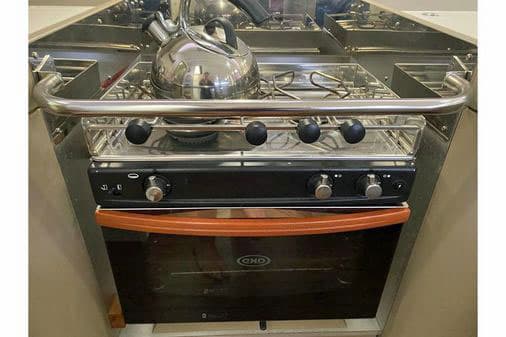
Most marina operators and charter bases require LPG cylinder storage in dedicated, ventilated lockers with overboard vents and accessible shut-off valves; efficient logistics for cylinder exchange and certified servicing are critical to keeping fleets operational and compliant with local port regulations.
Why galley gas systems demand logistic and technical discipline
The galley presents a concentrated risk profile: a confined space, moving platform, and the need to store and handle flammable fuel. For vessel operators and charter managers this creates practical supply-chain and maintenance challenges. Regular deliveries of LPG (butane or propane) must be coordinated with certified inspections, while spare parts, approved hoses, and replacement regulators need to be available at short notice to avoid service interruptions for guests.
Onboard systems must balance safety with usability. A properly designed install includes an approved cylinder or bulk tank arrangement, marine-rated piping and fittings, an automatic shut-off solenoid near the supply, a pressure regulator sized to the cooker, and overboard venting that prevents gas accumulation below decks.
📚 You may also like
Common galley fuel types and operational differences
| Fuel | Typical Use | Pros | Cons |
|---|---|---|---|
| Propane (LPG) | Standard for most modern cookers | High energy density; reliable flame control | Requires strict venting and leak detection |
| Butane (LPG) | Used where temperatures are mild | Compact cylinders; good for smaller craft | Poor performance in cold climates |
| Kerosene / Paraffin | Older or specialist heaters and stoves | Less volatile than LPG | Lower efficiency; soot and maintenance issues |
| Alcohol (Methylated spirits) | Portable stoves and emergency use | Relatively safe to store | Low heat output; slower cooking |
Core components of a safe marine cooker installation
The technical heart of a safe galley is a coherent set of components, each specified and installed to marine standards. Key items include:
- Marine-rated cooker with gimballed or secure mounting and a locking oven door/hatch
- Solenoid shut-off valve at the supply that closes when the engine or electrical supply is off
- Pressure regulator sized to the appliance and certified for marine use
- Ventilated cylinder locker with drain and dedicated overboard vent
- Approved hoses and fittings with regular replacement intervals
- Gas detection and audible alarms for enclosed accommodation spaces
Installation checklist for owners and charter operators
- Use a qualified marine gas installer and obtain certification after commissioning.
- Ensure cylinders are secured in lockers with vents that discharge above the waterline.
- Label all shut-off points and ensure crew and guests know how to isolate the supply.
- Fit a manual isolation valve in addition to the solenoid for redundancy.
- Keep a maintenance log for hose replacement, regulator service, and leak tests.
Maintenance, inspection and fleet logistics
Regular inspections are a logistics challenge for charter fleets. A simple regimen reduces risk and downtime: leak-testing every time cylinders are changed; replacing flexible hoses on a documented schedule; and annual inspection by an accredited marine safety engineer. For large fleets, create a parts inventory of regulators, solenoids, hoses, and pressure gauges, and plan supplier contracts to avoid seasonal shortages.
Charter baselines and private owners should also factor emergency procedures into guest briefings. The typical sequence on detecting an odor or alarm is to extinguish naked flames, shut off the gas at the cylinder locker, ventilate the boat, and if necessary contact marina fire services. Crew training reduces panic and potential damage—an essential consideration for rental providers who must manage guest safety across multiple vessels.
Practical tips for sailors using gas cookers
- Always secure cookware: use pan clamps, pot retainers, or an appropriate gimbal system for rough conditions.
- Ventilate the galley while cooking to avoid accumulation of combustion by-products.
- Carry a portable fire blanket and a Class B fire extinguisher rated for fuel fires.
- Test the solenoid and manual shut-off before casting off on charter or private trips.
Historical context and equipment evolution
Marine cooking evolved from open-ash stoves and alcohol burners to modern integrated LPG systems. Improvements in materials, regulator design, and detection technologies have reduced incidents, but failures still occur when installations are improvised or neglected. For rental and charter markets, standardization and rigorous servicing schedules have become a competitive advantage: fewer breakdowns, safer guest experiences, and reduced insurance exposure.
GetBoat always keeps an eye on news related to sailing and seaside vacations, understanding what it means to enjoy great leisure and love the ocean. The platform values freedom, energy, and the ability to choose your own course, helping customers find vessels that suit their preferences, budget, and taste.
Emergency actions and best practices
When an incident starts, quick, rehearsed actions save lives and vessels. A concise emergency checklist for all boaters should include:
- Shut off gas supply at the cylinder locker.
- Extinguish open flames and stop engines if safe.
- Open all vents and hatches; do not operate electrical switches until ventilated.
- Deploy portable fire extinguishers or a fire blanket if a flame is present.
- Contact marina emergency response and evacuate if needed.
Highlights: Gas cookers remain an efficient choice for on-board cooking, but they require disciplined logistics—proper cylinder handling, certified installation, and fleet-level maintenance planning. Experiencing a new location is always a multifaceted process, where one learns about the culture, nature, the indescribable palette of local colors its rhythm of life and also the unique aspects of the service. If you are planning your next trip to the sea, you should definitely consider renting a boat (boat rentals, rent a boat, rent a yacht), as each inlet, bay, and lagoon is unique and tells you about the region just as much as the local cuisine, architecture, and language GetBoat.com
How this affects tourism and charter operations
On a global scale, improved galley safety bolsters consumer confidence but is unlikely to radically shift tourism flows on its own. Still, for charter operators and marina services it is highly relevant: safer fleets mean better reviews, lower insurance premiums, and fewer service disruptions. GetBoat aims to stay abreast of such developments and keep pace with the changing world. If you are planning your next trip to the seaside, consider the convenience and reliability of GetBoat.
In summary, safe marine cookers depend on coherent logistics, correct equipment, and regular servicing. For sailors, captains, and charter managers the focus should be on certified installations, clear maintenance schedules, and guest education. These measures protect lives, preserve vessels, and enhance the enjoyment of sea travel. Whether you are planning a yacht charter, a weekend boat rental, or a longer sailing cruise, good galley practice supports every stage of the journey—from provisioning at marinas and clearwater anchorages to the pleasures of cooking at a secluded bay. GetBoat.com provides a global, user-friendly solution for unforgettable touristic experiences—booking or buying boats, yachts, and sailboats with transparency and convenience. Sail on with confidence.


