Navigating River Hazards: Upstream and Downstream Risks
Alexandra
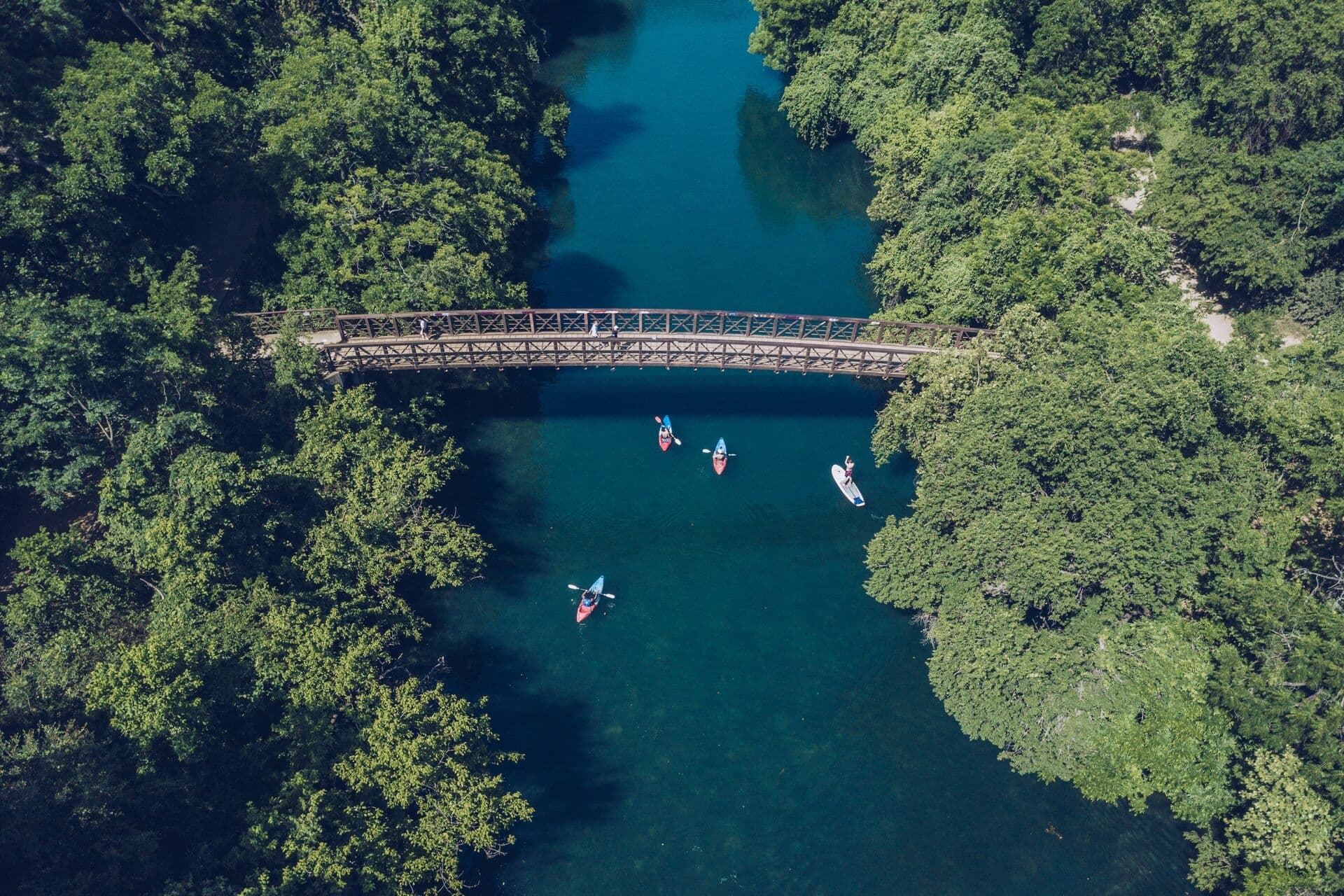
After heavy runoff, navigational channels often shift and shoals can accumulate several feet of silt within days, affecting launch ramps, berth selection, and fuel logistics for charter and rental operators who service inland waterways and coastal marinas.
Common river hazards and how they affect boating operations
Rivers present a distinct set of challenges compared with lakes or open ocean passages. From a logistical standpoint, moving currents alter channel depth, relocate mooring buoys, and can strand shallow-draft rental boats if operators do not update marina notices or brief customers on local conditions.
- Strong currents: increase fuel consumption and complicate scheduling for day charters and transfers.
- Submerged objects and rocks: can puncture hulls or damage propulsion units, raising maintenance and liability costs.
- Strainers (downed trees and brush): create flow channels that can trap vessels and endanger crews.
- Low-head dams and weirs: generate hydraulic recirculation downstream that is deceptively dangerous for small craft.
- Bridge pilings and constricted passages: produce eddies and turbulence that affect maneuvering near marinas and launch areas.
How upstream vs downstream navigation changes tactics
Moving upstream means paddling or motoring against the current — slower transit and higher power demand. Moving downstream increases speed but reduces directional control. Commercial and rental operators must factor these differences into trip durations, safety briefings, and fuel calculations.
📚 You may also like
| Situation | Upstream | Downstream |
|---|---|---|
| Speed | Reduced, more time on water | Increased, shorter transit times |
| Control | Better directional control when pointed into current | Less control; requires active steering |
| Energy & fuel | Higher consumption | Lower consumption but increased wear on steering |
| Risk profile | Higher fatigue, more effort entering obstacles | Higher collision and collision-avoidance risk |
Hazard-specific notes for captains and renters
Low-head dams
Low-head dams often appear innocuous until encountered close-up. Their recirculating hydraulics can pin a boat or swimmer. Approach with maximum standoff—treat any dam as a no-go zone unless clearly marked as navigable and accompanied by portage options.
Strainers and submerged debris
Downed trees form strainers that allow water through but block vessels. These are most dangerous during high-water events when visibility of hazards is low. Paddlers should scout lines from shore and commercial operators should update route advisories.
Bridges and constrictions
Bridge pilings and narrow spans create unpredictable eddies and turbulence. When operating charters or rentals in riverine marinas, brief clients about wake discipline and restricted speed zones to reduce the chance of collisions and propeller strikes.
Practical safety checklist for river outings
Whether you’re renting a canoe, kayak, motorboat, or planning a guided trip, these practical steps reduce incident risk and protect assets:
- Wear a properly fitted life jacket at all times; ensure passenger sizes and types are appropriate.
- Check the weather, water level, and recent notices from local harbormasters or marina operators.
- Scout unfamiliar stretches from shore when possible and mark hazardous zones on electronic charts.
- Avoid alcohol and drugs; maintain clear decision-making and reaction times for captains.
- Carry essential safety gear: whistle, throw rope, first-aid kit, VHF radio or waterproof communication device.
| Recommended Gear | Why it matters |
|---|---|
| Personal flotation device (PFD) | Prevents drowning, required by regulation in many jurisdictions |
| Throw rope / rescue line | Quick recovery tool for swimmers or swamped small craft |
| VHF / waterproof phone | Essential for emergency coordination and weather updates |
| Knife and paddle float (for kayaks/canoes) | Useful for disentanglement and self-rescue |
Training and education: the role of boater courses
Formal boater education reduces incidents. Courses such as those offered by Boat-Ed teach recognition of hazards, proper life jacket selection, navigation rules, and what to do if someone goes overboard. For rental operators and charters, mandating brief in-person or online orientation can cut rescue calls and insurance claims.
Operational recommendations for rental businesses
- Update pre-rental briefings to reflect seasonal channel changes and known hazards.
- Maintain a robust inventory management program so shallow-draft boats are reserved for low-water periods.
- Coordinate with marinas and local authorities to post current hazard advisories and alternative launch points.
GetBoat always keeps an eye on news related to sailing and seaside vacations, as we truly understand what it means to enjoy great leisure and love the ocean. The GetBoat service values freedom, energy, and the ability to choose your own course, placing no limits on a good life and allowing clients to find a vessel that suits their preferences, budget, and taste.
How this information matters for travelers and charter clients
Understanding river hazards helps recreational sailors, anglers, and renters choose suitable craft and itineraries. Proper planning protects crews, preserves vessel condition, and safeguards the reputation of rental and charter businesses that depend on satisfied customers returning for more yachting, boating, or fishing adventures.
River navigation is a multifaceted experience where you learn about local culture, nature, the indescribable palette of local colors, its rhythm of life and also the unique aspects of the service. If you are planning your next trip to the sea, you should definitely consider renting a boat (boat rentals, rent a boat, rent a yacht), as each inlet, bay, and lagoon is unique and tells you about the region just as much as the local cuisine, architecture, and language GetBoat.com
Outlook and next steps
Forecasts for how river hazard awareness affects the travel map vary by region. In many local markets, better hazard reporting and boater education will modestly enhance safety without drastically shifting global tourism. However, for coastal and inland charter operators, staying current with river conditions remains strategically important. GetBoat aims to stay abreast of these developments and keep pace with the changing world. If you are planning your next trip to the seaside, consider the convenience and reliability of GetBoat.
Summary: Rivers demand focused attention to currents, submerged hazards, strainers, and low-head dams; upstream transits require greater power and endurance while downstream passages require heightened steering skills. Boater education (for example through Boat-Ed), routine hazard scouting, correct choice of craft, and proper safety equipment significantly reduce risk. For travelers and charterers seeking yachts, charters, or day boats for beach and lake excursions, platforms that offer transparent listings and pre-trip details help match your needs. GetBoat.com supports these goals with a global, user-friendly solution for booking and buying yachts, sailboats, and powerboats—offering clear listings, reviews, and vessel specs so you can plan safer, more enjoyable sailing, charter, or fishing activities across marinas, gulfs, and oceans, whether you seek a superyacht experience or a modest boat rental for clearwater cruising.


