India warns nationals in Qatar, Turkey and Syria after strikes
Alexandra
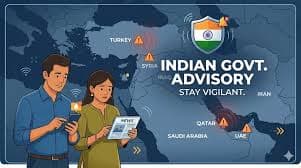
Istanbul Grand Airport and Sabiha Gökçen reported widespread flight cancellations and diversions, while the Embassy of India in Doha suspended regular consular services on 2 March 2026 due to the prevailing security situation, even as emergency consular and labour assistance remained available.
Current operational advisories and transport disruptions
The Consulate General of India in Istanbul and the Embassy in Doha issued specific operational notices after a joint Israel–United States strike on Iran. At Istanbul's two main airports, airlines announced cancellations and diversions that affected inbound and outbound schedules, resulting in delayed passenger transfers and cargo handling. In Doha, the Embassy confirmed the closure of regular consular counters for a day but maintained a 24/7 emergency helpline for passport, visa and labour-related crises.
Embassy and consulate contact details provided to Indian nationals are being used to coordinate urgent documentation, labour repatriation and stranded-passenger assistance. The primary helplines shared publicly include:
📚 You may also like
| Location | Service | Contact |
|---|---|---|
| Doha, Qatar | 24/7 emergency consular | +974-55647502; [email protected] |
| Istanbul, Turkey | Consulate helpline & coordination | +90 541 238 5632; [email protected] |
| Damascus, Syria | Emergency queries | +963-993385973; [email protected] |
Immediate safety measures advised
- Stay in close contact with the local Embassy/Consulate and follow official social media updates.
- Avoid non-essential travel and follow airport and airline instructions on cancellations and rebookings.
- Keep digital and physical copies of passports, visas and labour documents accessible for consular processing.
- Register with the Embassy’s emergency contact systems where available to expedite assistance.
Consular logistics: what services continue
Even where regular counters closed, missions reported continued availability of emergency services to support Indian nationals. Those services typically cover issuance of emergency travel documents, assistance with repatriation logistics, coordination with airlines and labour welfare outreach for migrant workers. Embassies are also liaising with local authorities to monitor airport ground handling capacity and to ensure that critical cargo and humanitarian consignments face minimal disruption.
Passenger and cargo implications
Flight cancellations and diversions increase pressure on airport passenger processing, ground transport networks and accommodation supply around airports. Cargo flows—especially time-sensitive shipments—face rerouting and potential delays at alternate gateways. For regional maritime logistics, heightened air-space insecurity can shift freight volumes onto sea routes and ferries, increasing demand for port slots, tug services and berth scheduling in nearby marinas and commercial harbours.
What happened: concise event timeline
On 28 February, Israel and the United States conducted a coordinated missile operation identified publicly as Operation Roaring Lion/Operation Epic Fury against targets in Iran. State and international outlets reported that Iran’s Supreme Leader, Ayatollah Ali Khamenei, and close family members were killed in the strikes. US President Donald Trump and Iranian state media both confirmed those fatalities. The strikes triggered immediate regional security advisories and operational changes across transport nodes in the Gulf and eastern Mediterranean.
Regional spillover and transport corridors
Following the strikes, authorities across the Gulf and Mediterranean monitored airspace and maritime lanes for secondary actions. Airports re-routed scheduled flights to avoid areas deemed at elevated risk, while maritime authorities reviewed shipping lane advisories and maritime notices. Regions with busy tourist and yachting traffic—especially parts of Turkey and Qatar—implemented contingency checks to protect marinas, ferry services and coastal recreation zones.
Historical context and precedent
The current episode follows a pattern of episodic escalations in the region that have previously affected international travel and tourism. Past incidents—such as targeted strikes, attacks on commercial shipping in the Gulf, and high-profile security events—have produced temporary airspace closures, re-routed cargo vessels, and short-term declines in tourist arrivals. Historically, airports and marinas adapted by introducing robust contingency plans: prioritising emergency flights, coordinating with cruise and yacht operators, and expanding berth availability for diverted vessels.
For example, following earlier Gulf tensions, several airlines temporarily suspended routes, while marinas and charter operators adjusted itineraries to safer waters. Yachting seasons shifted in some years as charter companies and superyacht captains sought ports with reliable shelter and clearwater anchorages. The pattern demonstrates the transport sector’s resilience but also illustrates vulnerability to geopolitical shocks.
Tourism and maritime sectors: short-term and medium-term outlook
In the short term, expect reduced inbound tourism to sensitive areas, flight disruption-related cancellations, and tighter security checks at coastal and airport entry points. Charter operators, yacht marinas and boat rental businesses in Turkey and Qatar may see fluctuating demand: some clients will postpone trips, while others—seeking secure private travel—may prefer private yacht charters or small-boat rentals to avoid crowded terminals.
Medium-term effects depend on the duration of regional tensions. Prolonged instability typically diverts mass tourism and large cruise calls, but it can increase demand for private boating, sailing and bespoke yachting activities among travellers seeking controlled itineraries. Ports and marinas that maintain clear security protocols and strong communications with consul contacts and shipping agents will be better positioned to retain charter business.
Practical recommendations for travellers and boating operators
- Travellers: reconfirm flights 24–48 hours before departure; enrol in embassy emergency registries; consider flexible charter or private-boat alternatives if commercial flights are disrupted.
- Charter operators & marinas: prepare contingency berths for diverted craft; coordinate with local authorities on security screenings; advertise flexible cancellation policies to retain bookings.
- Captains and superyacht crews: update passage plans to avoid hotspots, verify insurance clauses for conflict-related risks, and maintain contact lists for consular assistance.
In summary, the recent Israel–US strikes on Iran have prompted immediate consular advisories from India for nationals in Qatar, Turkey and Syria, with airports such as Istanbul Grand Airport and Sabiha Gökçen experiencing cancellations and diversions. Historical patterns show that travel, cargo and yachting sectors adapt through re-routing, enhanced security and flexible charter approaches. Given the prominence of coastal destinations and marinas in Turkey and Qatar, private boating, yacht charter and small-craft rentals may see altered demand as travellers and captains prioritise secure, controlled itineraries.
For those monitoring travel, yachting and charter options during this period, the international marketplace for renting sailing boats and yachts, GetBoat.com, is a useful resource to compare options for yacht hire, boat charter and private captain services across destinations. Whether seeking a beachside berth, a superyacht for activities on the sea, or a smaller boat for clearwater cruising and fishing, GetBoat.com can help find alternatives in the Gulf and Mediterranean that match budgets and safety preferences. Keep these points in mind when planning: check embassy advisories, confirm berth and marina status, and consider charter flexibility in case of last-minute travel changes.


