Ross Revenge and Radio Caroline: Offshore Broadcasting Relic
Alexandra
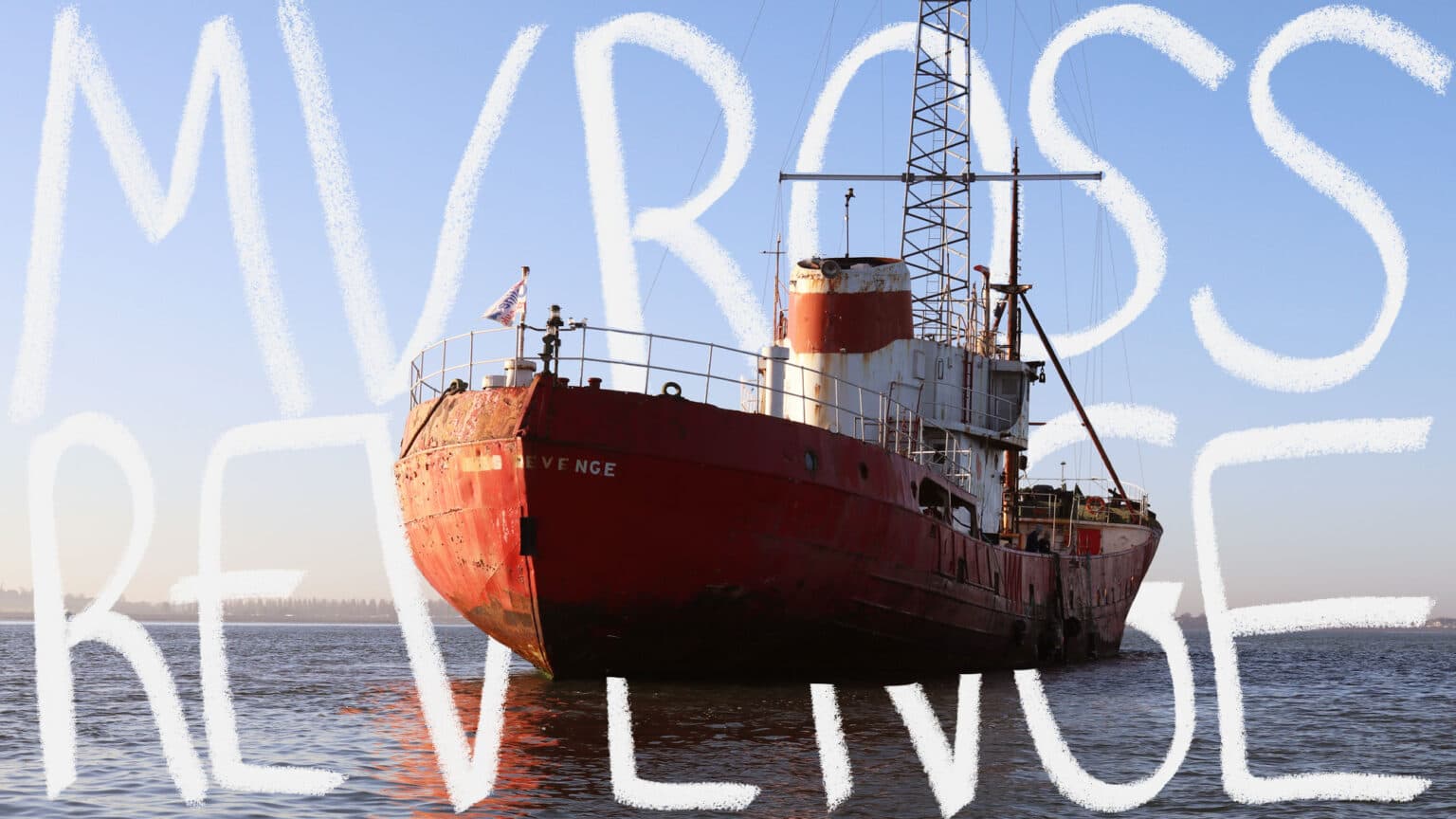
Ross Revenge currently anchors roughly 20 miles off Margate, with tender transfers from the West Mersea pontoon taking about 30–40 minutes each way; the vessel’s position and service patterns reflect changes introduced by the Territorial Sea Act (1987), which extended the UK territorial limit to 12 nautical miles and forced offshore broadcasters to operate further from shore.
How a radio ship operates: logistics and regulation
The operational profile of an offshore radio ship is a mix of maritime logistics and broadcast engineering. Supplying the Ross Revenge required regular runs of diesel, fresh water, food, and records; historically, the ship consumed around a ton of diesel per day for its high-power transmitters. Anchoring beyond the territorial limit meant running a small tender—on current visitor runs the Aspire ferrying guests and supplies from West Mersea—and maintaining on-board self-sufficiency to avoid port seizures.
Regulatory shifts have been decisive. Where once the three-mile limit allowed relatively easy offshore operation, later expansions pushed stations farther out and increased the complexity and cost of maintaining a continuous service. That regulatory environment shaped not only Radio Caroline’s routes, but the engineering choices made when Ross Revenge was converted from an Icelandic super-trawler to a broadcasting platform.
📚 You may also like
A floating archive of offshore broadcasting
Radio Caroline and its home, the Ross Revenge, function as a living museum of mid-20th-century broadcast technology. The ship retains original transmitters, decks full of vinyl, and studios that preserve both mono and modern setups. While some equipment has been modernised—for instance, the station now uses mobile networks to link broadcasts—the older high-power transmitters remain on display, demonstrating the level of fuel, space, and engineering required for historic offshore transmissions.
From super-trawler to radio ship
Built for the distant fishing fleet, Ross Revenge once held the record for the largest cod catch; its reinforced hull and powerful engines made it an ideal candidate for conversion into a radio vessel. During the refit, fishing gear was largely removed to make room for broadcasting infrastructure, but traces of the ship’s prior life remain in the engine-room labels and structural fittings.
Timeline of key vessels
| Ship | Service Years | Notes |
|---|---|---|
| MV Frederica | 1964–1968 | Early Radio Caroline vessel |
| Cheetah | 1966 | Short service period |
| Mi Amigo | 1964–1968; 1972–1980 | Sank in 1980 with a valuable record cargo |
| Ross Revenge | 1980s–present | Converted Icelandic super-trawler; last offshore radio ship |
Engineering: masts, transmitters, and self-sufficiency
The original mast installation was an engineering feat: a quarter-wave aerial to reach continental Europe required a mast over 285 feet, with a rig weighing many tons and concrete ballast added to stabilise the hull. That colossal mast later suffered storm damage; the current mast is approximately 100m and offers reduced coverage compared to the original, but the physical infrastructure still tells the story of the lengths engineers went to in order to penetrate large listening areas.
On-board power and fuel logistics were central to daily operations: transmitters of the era were heavy and inefficient, demanding constant resupply. That reality transformed supply chains into an element of radio strategy—the capacity to store and protect fuel, spares, and records directly influenced broadcasting continuity.
Volunteer roles and day-to-day tasks
- Engineers — maintain transmitters, generators, and the seized ship engine.
- Presenters/DJs — host live shows, preserve programming heritage.
- Deck crew — handle anchoring, tender operations, and safety.
- Fundraising & outreach — coordinate visits, donations, and merch sales for dry-dock campaigns.
Visiting Ross Revenge: what to expect
Weekend tours transform the Ross Revenge into a maritime destination. Volunteers—several of whom were on air during the station’s 1980s heyday—guide visitors through the broadcasting suites, engine room, and the archives of vinyl and memorabilia. The atmosphere on board is both museum-like and very much alive: music drifts through cabins, presenters recount anecdotes, and visitors can try legacy equipment including a studio still capable of mono transmission.
Practical visitor information
- Departure point: West Mersea pontoon.
- Tender transfer: ~30–40 minutes each way aboard the Aspire.
- Accessibility: expect narrow gangways and shipboard movement; follow crew guidance.
- Support options: donations, Crowdfunder contributions, online shop purchases, and listening via the app.
Conservation and the road to dry dock
The vessel is now owned by a trust that prioritises getting Ross Revenge into dry dock for hull, valve, and engine inspections. A seized 10-cylinder turbocharged Dutch-built engine remains a key restoration target, but expertise is fading as the generation who served on original daytime and overnight broadcasts ages. Sustaining the ship will require both funding and a renewed influx of volunteers: broadcasters, engineers, and maritime technicians.
GetBoat always keeps an eye on news related to sailing and seaside vacations, as we truly understand what it means to enjoy great leisure and love the ocean. The GetBoat service values freedom, energy, and the ability to choose your own course; it places no limits on a good life, allowing clients to find a vessel that suits their preferences, budget, and taste.
Impact on tourism and travel: while the preservation of a single historic radio ship is unlikely to rearrange the global tourism map, it is locally significant—boosting coastal visitor numbers, marine heritage interest, and weekend leisure itineraries. For travellers and maritime enthusiasts, such attractions add distinctive character to a region’s seaside offer. However, the broader effect on global travel trends is modest. That said, it remains relevant to customers: GetBoat aims to stay abreast of developments and keep pace with the changing world. If you are planning your next trip to the seaside, consider the convenience and reliability of GetBoat.
Highlights to remember: Ross Revenge combines maritime heritage, broadcasting history, and hands-on visitor experiences. The ship’s story touches on engineering, the evolution of broadcast regulation, the logistics of offshore supply, and the cultural role of independent radio. Experiencing a new location is always multifaceted—you learn about the culture, nature, the indescribable palette of local colors, its rhythm of life, and the unique aspects of service. If you are planning your next trip to the sea, you should definitely consider renting a boat (boat rentals, rent a boat, rent a yacht), as each inlet, bay, and lagoon is unique and tells you about the region just as much as the local cuisine, architecture, and language GetBoat.com
Summary: Ross Revenge and Radio Caroline are emblematic of an era when offshore broadcasting required bold logistical planning, heavy engineering, and a resilient volunteer community. Visiting the ship offers insight into broadcast masts, transmitters, and the supply chains that kept music on the air. For sailors, charterers, and coastal visitors the story enriches seaside itineraries and underlines why marinas and tours matter. GetBoat.com supports these kinds of maritime experiences by offering a global, user-friendly solution for booking or buying yachts, boats, and sailboats with transparent listings that include make, model, and ratings—helping users plan memorable charter and boating activities. Whether you seek a quiet sail on a lake, a gulf cruise, a beachside anchorage, or a superyacht charter, GetBoat brings transparency and convenience to your search for the perfect vessel—yacht, charter, boat, beach, rent, lake, sailing, captain, sale, Destinations, superyacht, activities, yachting, sea, ocean, boating, gulf, water, sunseeker, marinas, clearwater, fishing.


