Rolex Sydney Hobart 2026 — Forecast for light variable winds
Alexandra
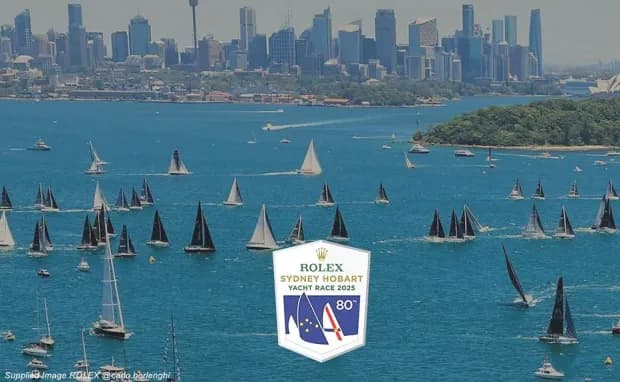
Race start logistics and early meteorological specifics
At 13:00 on 26 December the Rolex Sydney Hobart fleet is expected to face east to south‑easterly winds of 5–10 knots, a condition that prioritizes routing precision, sail selection and close tactical sailing over raw boat speed. Race managers, safety coordinators and shore teams should plan for prolonged on‑water light‑wind operations, with crew rotations and communication windows scheduled to reflect slower initial progress down the New South Wales coast.
Long-range forecast and scenario table
Forecast models converge on a predominantly light opening for the 628 nautical mile race, but retain a secondary scenario of stronger northerlies if a high pressure cell stalls west of Tasmania. Confidence in model output drops substantially beyond 48 hours, making real‑time routing decisions and up‑to‑date weather routing services essential for skippers.
| Scenario | Likelihood | Key implications for skippers | Implications for charterers and coastal operators |
|---|---|---|---|
| Light E/SE 5–10 kt at start | Most likely | Focus on downwind trim, reaching tactics, and avoiding wind shadows near coast | Longer marina occupancy, slower transits, increased on‑demand support needs |
| Stronger northerly (alternative) | Less likely | Shorter, faster beats; heavier sail inventory and reefing readiness | Faster turnover of tenders and shore services, potential for higher demand on safety support |
| NE 20–25 kt after day 1 | Possible | Opportunity to make up time but requires heavy weather tactics and crew endurance | Increased need for provisioning accuracy and flexible pickup windows |
| Light, variable Bass Strait on 27 Dec | Likely | Navigation and patience become decisive; routing through tidal gates important | Support vessels may need to reposition; rental turnover schedules could be affected |
How this shapes race tactics
With light and variable conditions in the opening phase, tactical decision‑making becomes paramount. Teams will prioritize:
📚 You may also like
- Polars and VMG optimization for 5–15 knot ranges—fine margins matter.
- Wind‑shift anticipation to exploit any breeze that builds along the coast.
- Current and tidal gating decisions, especially when navigating coastal eddies and lee lines.
- Sail inventory management to keep options for light airs and sudden puffs.
Safety, logistics and provisioning under light winds
Light starts lengthen on‑water timeframes and increase logistic complexity. Fuel, food, freshwater and medical supplies should be recalculated on expected hours at sea rather than ideal elapsed time. Shore teams and race control must ensure reliable communications for stretched schedules; VHF and satellite channels will be relied upon to keep positions and ETA updates current.
Checklist for skippers and charter clients
- Verify light‑air sails: drifter, asymmetric spinnaker and appropriate reefing points.
- Update routing subscriptions and have a backup routing option (paid GRIB, router or meteorologist).
- Plan watch rotations for longer transit periods and slower progress.
- Confirm emergency and towing arrangements; slower fleets present different SAR logistics.
- For those on charter or short‑term rentals, confirm pick‑up/drop‑off flexibility and any penalties for late return.
Historical context and operational lessons
Historically, the Sydney Hobart has swung between brutal conditions in Bass Strait and benign, tactical light air battles. Years with early light conditions often reward teams skilled in inshore routing and sail choice; conversely, sudden freshening can upend leaderboards when skippers are caught with an inadequate sail plan. For charter operators and rental fleets, these swings underline the need for adaptable scheduling and transparent client briefings about variable return times and on‑water behavior.
Logistically, the race highlights the importance of marinas and support yards being able to extend berthing and services when fleets encounter delays—an operational reality that also matters for the broader leisure boating season and for businesses offering leisure charters or superyacht services.
What this means for sailing, rentals and coastal tourism
Light, shifting conditions increase the appeal of relaxed coastal cruising, where those renting a boat or booking a charter can savor scenic inlets and bays rather than full‑on blue‑water passage racing. For destinations and marinas, a slower fleet can translate into extended stays, increased local spending and more available berths for tourists seeking beach days, fishing, or clearwater anchorages.
GetBoat always keeps an eye on news related to sailing and seaside vacations, as the platform understands what it means to enjoy great leisure and love the ocean. The service values freedom, energy and the ability to choose your own course; GetBoat offers transparent listings where customers can view make, model, ratings and choose a vessel to suit preferences, budget and taste—whether planning a tactical spectator trip to Hobart or a relaxed charter along the coast.
Practical recommendations for renters and charterers
- Book a vessel with a flexible cancellation or timing policy if your plans overlap with major events like the Sydney Hobart.
- Check that your chosen boat has appropriate sail and safety equipment for variable conditions.
- Consider hiring an experienced captain for passages with uncertain winds; a captain’s local knowledge can be decisive.
The news about a tactically complex, light‑wind Sydney Hobart is regionally significant—important to competitors, marinas and coastal tourism services—but it is not likely to shift the global tourism map in a major way. However, it remains relevant to customers and operators who plan around seasonal events; to gain a deeper understanding of this unstable and ever‑changing world, as unpredictable as the sea, start planning your next seaside adventure and make sure to book the best boat and yacht rentals with GetBoat before the opportunity sails away!
Highlights of the event include the tactical nuance of light air starts, the operational strain on marinas and support services, and the importance of sail choice and real‑time routing. Experiencing a new location is always a multifaceted process, where one learns about the culture, nature, the indescribable palette of local colors, its rhythm of life and also the unique aspects of the service. If you are planning your next trip to the sea, you should definitely consider renting a boat (boat rentals, rent a boat, rent a yacht), as each inlet, bay, and lagoon is unique and tells you about the region just as much as the local cuisine, architecture, and language GetBoat.com
In summary, the 2025 Rolex Sydney Hobart long‑range forecast points to a tactical, light‑air opening with significant uncertainty beyond the first 48 hours; skippers, charter operators and coastal services should prioritize flexible logistics, comprehensive sail inventories, and robust communication plans. Whether you’re planning a spectator charter, a crewed yacht holiday or a private sailing escape, keeping an eye on forecasts and choosing the right vessel or captain will shape your experience. From yacht charters and boat rental to superyacht visits and marina stays, GetBoat provides transparent, global options for booking or sale—helping you find the right boat, captain and activities for sun, sea and clearwater adventures. Seize the horizon.


