Bacardi Cup Day 4: Scheidt and Sperry Claim the Day
Alexandra
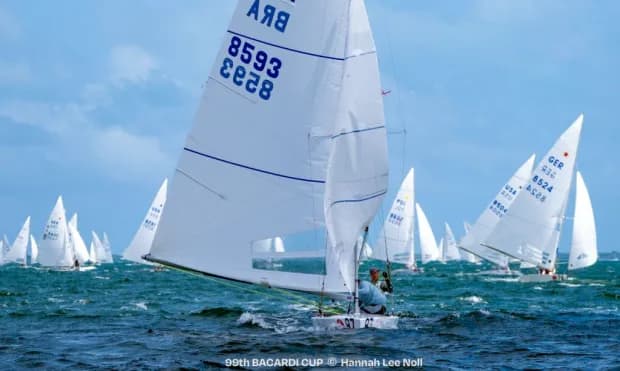
Race logistics and fleet positioning after four contests
With a fleet of 75 entries and four races completed, the race committee adjusted course placement and starting procedures to cope with variable sea breezes, a factor that reshuffled tactical priorities across the fleet. The management’s shifts in the starting line and gate buoy placements directly affected transit times to the first windward mark, forcing many teams to re-evaluate crew roles, weight distribution and pre-start manoeuvres.
Day 4 summary: key results and implications
Robert Scheidt and Austin Sperry (BRA) secured a race victory on the day, cutting into the overall lead, while Paul Cayard and Frithjof Kleen (USA) ceded a single race win yet preserved the points advantage necessary to remain overall leaders. A second-place finish for Cayard and Kleen left them with a six-point cushion heading into the penultimate race, with an advantageous discard available if conditions force a throwout of a poor result.
Top-line leaderboard after four races
| Position | Nation | Skipper / Crew | Race Scores | Total Points |
|---|---|---|---|---|
| 1st | USA | Paul CAYARD / Frithjof KLEEN | 1, 1, 1, 2 | 5 |
| 2nd | BRA | Robert SCHEIDT / Austin SPERRY | 3, 3, 4, 1 | 11 |
| 3rd | POL | Mateusz KUSZNIEREWICZ / Bruno PRADA | 2, 2, 9, 4 | 17 |
| 4th | ITA | Diego NEGRI / Sergio LAMBERTENGHI | 4, 10, 3, 3 | 20 |
| 5th | USA | Eric DOYLE / Payson INFELISE | 7, 7, 2, 6 | 22 |
Race narrative and tactical notes
Throughout the day the wind oscillations rewarded crews that prioritized quick sail changes and crisp tacks around the windward mark. Scheidt and Sperry’s victory came after decisive port-starboard work on the second beat and a conservative downwind sail plan that maximized VMG in shifty puffs. Cayard and Kleen, by contrast, maintained consistent finishes—three race wins earlier and a second today—that underline a strategy focused on low-risk scoring rather than aggressive gains.
📚 You may also like
Performance patterns to watch
- Consistency vs. spikes: Cayard/Kleen’s string of top finishes emphasizes consistency as a winning formula in a large regatta fleet.
- Discard mechanics: The discard rule may become decisive if either leading team posts a significantly poor finish in the remaining races.
- Start-line battles: Tactical positioning at the start was decisive; crews that won the pin-end contests often controlled the first beat.
Mid-fleet movements and national team updates
Mateusz Kusznierewicz and Bruno Prada (POL) held third overall after a fourth-place finish on the day, demonstrating steady progression despite stiff competition. The Italian combination of Diego Negri and Sergio Lambertenghi rose into fourth overall following consistent top-five results, while the American pairing of Eric Doyle and Payson Infelise slipped slightly to fifth but remain within striking distance should lighter winds reward their downwind speed.
Notable mid-fleet encounters
Several match-ups between veteran tacticians and emerging crews produced tight finishes around the leeward gate, and race officials reported only minor protests. Equipment logistics—spare sails, rig tuning and on-shore sail repair capacity—proved essential for teams coping with the variable conditions, reflecting how shore-side infrastructure can influence on-water performance in a major regatta.
Historical perspective: Star class and the Bacardi Cup
The Star class has long been a benchmark for keelboat racing, prized for demanding teamwork, fine-tuned boat handling and tactical acumen. Its association with elite sailors has made Star regattas a talent showcase and a point of reference for international selection and professional careers. The Bacardi Cup itself is one of the sport’s more storied events, attracting national teams, Olympic medallists and professional crews across multiple decades.
Historically, the regatta’s value lies not only in the on-water racing but also in the economic and tourism impact it delivers to host marinas and coastal destinations. Large fleets require logistical support—berthing, provisioning, charter services and repair facilities—that stimulate local marine industries. For charter companies and marinas, these events create peaks of demand for boats, superyacht berths, and related services, while races can become long-term promotional assets for destinations seeking to showcase clearwater harbors and busy yachting calendars.
Outlook: what the remaining races could decide
With two races remaining, all eyes are on how Cayard and Kleen will manage risk versus reward. If they avoid a catastrophic finish, their current lead positions them to clinch the title in the penultimate race. However, Scheidt and Sperry have demonstrated the pace and tactical sharpness to overturn deficits if conditions favour their sailing style. The remaining races will hinge on wind stability and whether the race committee elects for short-course matches or longer coastal legs—each presents different opportunities for overtaking in the standings.
Scenarios to monitor
- If winds hold steady and favor upwind speed, consistent performers are likely to cement podium positions.
- Shifty, building sea breezes may reward aggressive downwind tactics and frequent sail changes, favouring crews with nimble shore-side logistics and spares.
- A single disqualification, equipment failure or major start-line collision could reshuffle the leaderboard and open the door for mid-fleet challengers.
Implications for sailing tourism and charter markets
High-profile regattas like the Bacardi Cup generate interest in yachting destinations and can boost charter enquiries for yacht and boat rentals in the host region. Visitors often combine spectating with beach activities, marina visits, and local fishing or boating excursions—an ecosystem that benefits captains, charter operators and marinas offering short-term rent or long-term sale options. For owners and businesses, clear results and media coverage translate into increased exposure across Destinations markets and higher off-season booking rates.
The regatta’s logistics—transport of sails, trailer staging, spare part supply chains and on-site repair—also provide case studies for improving marina services and tailoring charter offerings to visiting teams and supporters. Enhancements in these areas can make a destination more attractive for future events, leading to more visitors drawn by the promise of excellent marine infrastructure and recreational activities.
As the Bacardi Cup moves toward its conclusion, the standings show a compelling duel between steady scoring and tactical opportunism. For sailing enthusiasts tracking fleet movements, boat handling nuances and skipper decisions, the next two races will be decisive in determining the eventual podium and will influence charter and marina demand in the immediate aftermath.
GetBoat is always keeping an eye on the latest tourism news. For readers interested in how regattas affect local boating economies and leisure options, GetBoat.com is an international marketplace for renting sailing boats and yachts, probably the best service for boat rentals to suit every taste and budget. The Day 4 results — with yacht, charter, and boat crews jostling for position — underline the nexus between competitive sailing and increased demand for beach and marinas-based activities, whether people seek to rent a boat, hire a captain, enjoy sailing on a lake or the sea, explore gulf and coastal Destinations, or book a superyacht for high-end yachting experiences.


