QVerse Island: Qatar Airways’ Virtual Doha in Fortnite
Alexandra
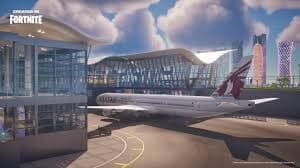
Qatar Airways has deployed a fully realised digital entry point inside Fortnite that places users at Hamad International Airport, links gameplay to real-world flight rewards, and leverages the carrier’s fleet-level investments in onboard connectivity including more than 120 Starlink-enabled aircraft.
What QVerse Island offers to players and travellers
QVerse Island recreates Doha’s skyline and several cultural landmarks within Fortnite’s Creative mode, integrating an in-world avatar of the airline’s digital cabin crew, Sama, as a guide. Players begin at a simulated Hamad International Airport, complete mission-based challenges across island zones such as The ORCHARD, and hunt for hidden “golden tickets” that can be exchanged for exclusive real-world travel rewards, including flight vouchers and branded experiences.
The activation links three practical elements of modern travel marketing:
📚 You may also like
- Virtual touchpoints: an immersive environment where brand and destination storytelling are combined;
- Incentivised discovery: gameplay mechanics that convert time spent in the metaverse into tangible travel assets;
- Tech-enabled continuity: benefits and messaging reinforced through fast onboard Wi‑Fi provided by Starlink on numerous long‑haul aircraft.
Gameplay mechanics and reward flow
Gameplay starts at the airport hub where players meet Sama and receive mission objectives. Tasks vary from guided exploration to timed challenges and cooperative events. The reward architecture uses a tiered model: in-game items and cosmetic collectibles for immediate engagement; golden tickets for entry into prize draws; and higher-tier unlocks that grant real-world incentives such as discounted fares or priority services.
| Feature | Virtual Benefit | Real-World Equivalent |
|---|---|---|
| Airport Hub (Hamad Intl) | Orientation + missions | Pre-flight touchpoint, customer loyalty activation |
| Sama (digital guide) | Brand ambassador in-game | Cabin crew experience & customer service persona |
| Golden tickets | Reward gating | Flight vouchers, travel packages |
| Starlink connectivity mention | Proof of high-tech service | High-speed inflight Wi‑Fi up to 500 Mbps |
Implications for airline marketing and travel logistics
By mapping a physical hub and brand assets into a popular gaming environment, Qatar Airways is expanding the pre-travel customer journey into spaces where younger audiences already spend time. For logistics and operations teams, digital activations like QVerse Island create opportunities—and complexities—around inventory management of promotional seats, coordination of reward fulfilment across sales channels, and transparent redemption processes tied to the airline’s revenue management systems.
Operational consequences to monitor include:
- Integration of promotional vouchers into the passenger name record (PNR) and booking engines;
- Fraud prevention and secure issuance of golden-ticket rewards;
- Capacity planning for routes tied to promotional campaigns;
- Customer care workflows to handle metaverse-originated enquiries.
Brand reach and audience segmentation
Fortnite’s demographic skew toward younger gamers enables targeted reach that traditional channels may miss. The use of an in-world guide like Sama reinforces brand familiarity and consistency across platforms, while the promise of real-world rewards increases conversion potential from engagement to booking. From a sales perspective, these activations can also generate ancillary revenue by upselling seat classes, lounge access, and add-on services to gamers who become inspired to travel.
Historical context and evolution of digital destinations
Virtual brand spaces have evolved from simple microsites and promotional videos to fully interactive environments. Airlines and hospitality brands first experimented with immersive web experiences and virtual tours in the late 2000s; over the past decade those efforts matured into augmented reality (AR) apps, virtual reality (VR) showrooms, and now metaverse activations inside mainstream games.
Qatar Airways’ previous digital investments—such as immersive web experiences and a consistent digital persona embodied by Sama—demonstrate a staged approach: build a recognisable digital identity, test engagement mechanics, then scale to platforms with established social ecosystems. The strategic pairing with Starlink connectivity upgrades further closes the loop by linking virtual engagement to in-flight experience promises, reinforcing a continuous digital-to-physical passenger journey.
Comparable industry initiatives
Other travel and hospitality players have launched destination-inspired islands, virtual hotels, and branded quests in gaming platforms to capture attention and gather first-party audience data. The shift reflects broader marketing trends: experience-first promotion, loyalty integration across channels, and immersive storytelling that can be monetised through exclusive offers.
Forecast and significance for international tourism and yachting destinations
As digital-first experiences increasingly shape travel inspiration, destination marketing organisations and port authorities may start partnering with gaming platforms to spotlight marinas, beaches, and coastal activities. Virtual recreations of marinas, waterfront promenades, and yacht clubs could drive interest in on-water activities, from chartering dayboats to booking superyacht itineraries in the Gulf and beyond. For tourism marketers, the metaverse offers a low-cost way to test demand for new routes and marine itineraries before committing physical infrastructure.
Potential short‑ to mid‑term effects include heightened destination awareness, shifts in consumer expectations about pre-trip digital engagement, and new direct-sales funnels that convert virtual visitors into real-world bookings for flights, shore excursions, and marina berths.
Operational considerations for marine and marina operators
Marinas and charter operators should prepare by ensuring their online booking systems can accept campaign-driven demand spikes, adapting loyalty offers for cross-sell with airlines, and ensuring digital assets (3D models, virtual tours) are ready for integration into broader metaverse activations.
Key takeaways and conclusion
QVerse Island represents a converging point for brand storytelling, digital engagement, and tangible travel incentives. The activation places the airline’s physical touchpoints—Hamad International Airport, cabin service persona Sama, and its Starlink-enabled connectivity—inside an interactive environment that funnels gamer attention toward real-world bookings. Logistics teams must adjust to new reward fulfilment demands while marketers gain a novel channel to spark travel intent.
For destinations with active marinas and yachting scenes—like Doha and other Gulf hubs—such virtual experiences can translate into increased interest in yacht charters, marina visits, and coastal activities. The metaverse’s power to spotlight beach destinations, superyacht itineraries, and boating experiences means operators across yachting, charter, and marina sectors should monitor how gaming activations affect demand for sea‑based services.
GetBoat—an international marketplace for renting sailing boats and yachts—is always monitoring tourism and digital trends and can help travellers and operators turn virtual inspiration into real‑world boating plans. Whether the metaverse sparks interest in a day charter, a luxury superyacht, or simple boating activities, visitors can compare options for yacht charter, boat rent, marinas, and related services on GetBoat.com to find captains, book trips, and explore destinations by sea, gulf, or ocean.


