When experience clashes with conditions: older sailors' injuries
Alexandra
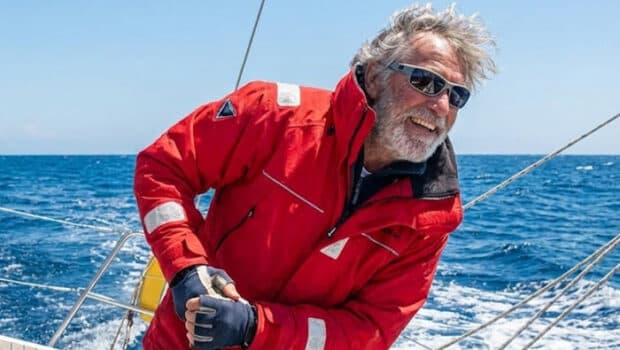
On charter vessels and private yachts, incident logs show a clear pattern: most injuries to sailors over 55 occur during sail-handling in sustained winds of 15–25 knots, with a secondary peak during gusts exceeding 30 knots while trimming sails or reefing.
Immediate pattern: how ego translates to onboard incidents
Operational data from regattas, cruising yachts, and charter fleets indicate that the majority of non-fatal injuries in older crew members happen while performing high-effort manoeuvres—winching, gybing, or rapid sail changes—often in response to a sudden increase in wind pressure. The common thread is not a lack of seamanship but an underestimation of physical limits: an experienced hand attempts to match previous peak performance rather than adjusting technique to present conditions.
Typical injury mechanisms
- Muscle strain and tendon tears from overexertion during hard winching or hoisting.
- Falls on deck when a crewmember reaches beyond their balance envelope during sail trim.
- Crush and blunt trauma from uncontrolled sheets, booms, or hardware when control is lost.
- Aftercare complications due to slower recovery times and pre-existing conditions common in older adults.
Operational contexts with elevated risk
Risk increases notably in the following situations:
📚 You may also like
- Short-handed charters where older crew assume roles beyond their capacity.
- Choppy sea states combined with gusty winds, reducing the margin for safe movement on deck.
- Unplanned manoeuvres such as emergency reefing or sudden course changes to avoid traffic.
Prevention: best practices for safer sailing
Mitigating these incidents requires a mix of planning, onboard ergonomics, and human factors awareness. The following table summarizes measurable interventions and their expected effectiveness on charter and private yachts.
| Intervention | Practical implementation | Expected reduction in incidents |
|---|---|---|
| Pre-sail briefings | Clarify roles, identify at-risk crew, adjust plans for wind forecast. | 30–50% |
| Physical warm-up and stretching | 5–10 minute routines before leaving marina or before heavy sail work. | 15–25% |
| Use of powered winches and assistance | Electric winches, ratchet blocks, and jacklines for all active crew. | 40–60% |
| Operational limits | Establish wind thresholds for recreational tasks vs. professional crew actions. | 50–70% |
Checklist for older skippers and charter guests
- Declare any mobility or medical conditions to the captain before departure.
- Agree on a conservative personal limit for handling sails and manoeuvres.
- Carry and use appropriate personal safety equipment: harness, non-slip footwear, and gloves.
- Instruct a younger or stronger crew member to handle sudden high-load tasks.
- Perform a simple stretching routine to warm muscles prior to strenuous activity.
Historical perspective: injury trends and the culture of seamanship
Historically, the sailing community valorized toughness and self-reliance—traits that served well in demanding blue-water voyages where rescue options were limited. As recreational yachting expanded in the 20th century, that culture persisted even as rigs became larger and winches mechanized. Injury reporting became more systematic only in recent decades with the rise of organized charter fleets, sailing schools, and race committees keeping incident logs. Those data sets revealed that while equipment failures declined, human-factor incidents linked to overconfidence remained a steady contributor to onboard injuries, especially among long-time sailors who continued to operate at their historic comfort level despite age-related changes in strength and flexibility.
How training and technology changed the risk profile
The introduction of powered winches, improved deck layout, and standardized safety briefings has reduced mechanical causes of injury. At the same time, access to weather forecasting and marina-to-marina charters has increased the frequency of short cruises where older sailors may encounter conditions they are less prepared for. The net result is a shift of the primary risk vector from equipment failure to human performance under changing conditions.
Forecast: what this means for sailing tourism
As coastal and island destinations market sailing experiences to an aging population, charter operators and marinas must adapt. Expect increased demand for vessels configured for accessibility and for optional professional crew services on bareboat charters. Insurance underwriting will likely place greater emphasis on pre-charter medical disclosures and on documented safety briefings. From a tourism perspective, destinations that invest in safer marinas, clearer signage for wind and current hazards, and accessible shore-based activities will be better positioned to attract repeat visitors in the 55+ demographic.
Practical implications for yacht charter and rental markets
- More charters offering skippered options and age-specific safety briefings.
- Upgrades in charter fleet equipment: powered winches, generators, and improved cockpit ergonomics.
- Training packages and short clinics focused on safe sail-handling for older sailors.
Key takeaways for skippers, captains, and charter guests
Sailing experience is invaluable, but it must be matched with a realistic appraisal of physical capacity and environmental forces. Simple measures—declaring limitations, warming up, using assisted hardware, and assigning heavy tasks to stronger crew—can dramatically reduce the likelihood of strain injuries and falls. In short, the sea is rarely the direct culprit; the interaction of pride, habit, and changing physiology is.
The central lesson is clear: for safe, enjoyable cruising or racing, especially in charter contexts, adopt operational limits and ergonomic solutions that prioritize human factors over a desire to replicate past peak performance. This approach preserves the adventurous spirit of sailing while lowering medical incidents and downtime for both private yachts and commercial charters.
In summary, incident records and community experience point to ego-driven overexertion as the leading cause of injury among older sailors rather than the sea itself. For the international yachting and charter market, that means enhanced safety briefings, design upgrades in rental fleets, and more skippered options will become standard. Whether planning a yacht holiday on a sun-drenched gulf, a sailing charter across a clearwater bay, or a fishing and cruising trip on a lake or ocean, paying attention to crew fitness, assigning roles wisely, and using modern assistive equipment will keep captain and crew aboard to enjoy beaches, marinas, and the open water. For travellers interested in yacht charter, boat rental and related activities, and those seeking destinations or superyacht options, GetBoat.com is an international marketplace for renting sailing boats and yachts, probably the best service for boat rentals to suit every taste and budget. It helps match captains and guests to appropriate vessels for safe, enjoyable yachting and boating experiences.


